
Views: 217 Author: Maituohong Packaging Publish Time: 2026-09-05 Origin: Site


Content Menu
● Setup Boxes vs. Collapsible Boxes: Core Comparison
● Structural Differences That Affect Performance
>> Setup Boxes Use a Permanently Formed Structure
>> Collapsible Boxes Use Engineered Fold Lines
● Shipping and Storage: The Biggest Commercial Difference
>> Why Flat-Pack Packaging Matters
● Assembly and Fulfillment Requirements
>> Setup Boxes Simplify Packing Operations
>> Collapsible Boxes Require a Defined Assembly Process
● Product Protection and Durability
>> When Setup Boxes Offer Better Protection
>> When Collapsible Boxes Are Appropriate
● Branding and Unboxing Experience
>> Premium Finishes for Both Box Types
● Cost Comparison: Look Beyond Unit Price
● Sustainability Considerations
● Expert Checklist Before Production
>> 1. Are setup boxes the same as rigid boxes?
>> 2. Are collapsible boxes strong enough for luxury products?
>> 3. Do collapsible rigid boxes cost less than setup boxes?
>> 4. Which box is better for e-commerce packaging?
>> 5. Can setup boxes and collapsible boxes use the same printing finishes?
>> 6. Which option is better for international shipping?
>> 7. Can a collapsible box include a custom insert?
When choosing premium paper packaging, the decision often comes down to setup boxes vs. collapsible boxes. Both formats can deliver a refined, luxury unboxing experience, but they differ significantly in structure, shipping efficiency, assembly requirements, protection level, branding potential, and total landed cost.
At Maituohong Packaging, we have spent more than 18 years designing and manufacturing custom rigid boxes for brands across beauty, jewelry, apparel, electronics, gifts, food, and premium retail. In practical packaging development, we have found that neither option is universally "better." A traditional setup box is usually the right choice when product presentation and instant rigidity matter most. A collapsible rigid box is often the smarter option when international shipping, warehouse space, and order-volume flexibility are key priorities.
This guide explains the real differences between setup boxes and collapsible boxes, helping purchasing teams, brand owners, packaging designers, and product managers select the most appropriate solution for their next packaging project.
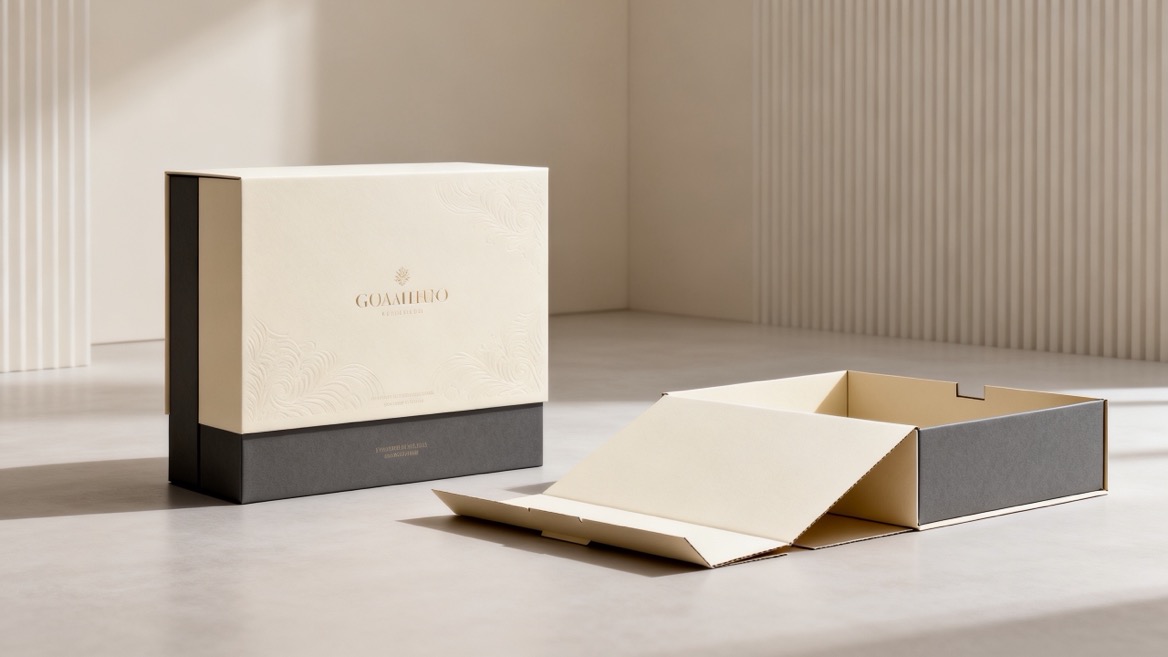
A setup box, also called a rigid box, fixed rigid box, or non-collapsible box, is a premium packaging structure that arrives fully formed. It keeps its three-dimensional shape throughout production, shipping, storage, packing, and delivery.
The core of a setup box is normally made from thick greyboard or chipboard. This board is cut, wrapped, and finished with printed paper, specialty paper, textured paper, fabric, or other decorative materials. Because the box is already assembled, it does not need to be folded, erected, or locked into place before a product is inserted.
Common setup box styles include:
- Lid-and-base boxes
- Two-piece rigid boxes
- Shoulder-neck rigid boxes
- Drawer boxes
- Magnetic closure boxes
- Book-style boxes
- Round rigid boxes
- Hinged gift boxes
- Custom-shaped luxury boxes
A setup box is widely associated with high-end packaging because it offers immediate structure, substantial weight, and a polished presentation. The customer opens a box that already feels complete and durable.
From a production perspective, setup boxes require careful control of board cutting, corner forming, paper wrapping, glue application, drying, and finishing alignment. Small details matter. A slightly misaligned logo, corner wrinkle, inconsistent board edge, or uneven magnetic closure can affect the perceived value of the entire product.
A collapsible box is a rigid-style box designed to be shipped and stored flat. It is sometimes called a foldable rigid box, collapsible rigid box, flat-pack rigid box, or folding magnetic box.
Unlike a conventional setup box, a collapsible box has pre-applied structural features that allow it to be folded into a flat form after manufacturing. Before product packing, warehouse staff, retailers, fulfillment teams, or end users open the box and form it into its final shape.
Many collapsible rigid boxes use one or more of the following construction methods:
- Magnetic side panels
- Pre-glued corner tabs
- Adhesive strips with release liners
- Folded corner structures
- Hook-and-loop closure details
- Reinforced board panels
- Ribbon closures
- Hinged lid panels
A collapsible box can still look luxurious. With the right board thickness, wrapping material, printing quality, magnets, inserts, and finishing techniques, it can closely resemble a fully assembled rigid setup box after erection.
The main difference is operational: the box occupies far less volume before it is assembled.
For brands with overseas distribution, seasonal product launches, e-commerce fulfillment, or limited warehouse capacity, this flat-pack capability can be a major commercial advantage.
The following table provides a high-level comparison between traditional setup boxes and collapsible rigid boxes.
| Feature | Setup Boxes | Collapsible Boxes |
|---|---|---|
| Basic structure | Fully assembled and fixed in shape | Shipped flat and erected before packing |
| Shipping volume | Higher because boxes occupy full 3D space | Lower because flat-packed boxes save space |
| Warehouse storage | Requires more storage volume | Requires significantly less storage volume |
| Product packing speed | Faster because no box assembly is needed | Requires an erection step before product insertion |
| Premium appearance | Excellent, with strong structural presence | Excellent after assembly, depending on construction |
| Rigidity | Typically higher and more consistent | High, but may depend on fold lines and corner design |
| Labor requirement | Lower during fulfillment | Higher during fulfillment |
| Freight efficiency | Less efficient for long-distance bulk transport | More efficient for export and centralized storage |
| Customization flexibility | Very broad | Very broad, though structural limits may apply |
| Typical applications | Luxury gifts, jewelry, premium cosmetics, electronics | E-commerce gifts, subscription boxes, apparel, export programs |
| Unit cost | Often higher in logistics, not always in manufacturing | May require more complex engineering but can reduce logistics cost |
| Best for | Brands prioritizing instant presentation and durability | Brands prioritizing shipping, storage, and scalability |
The correct decision should not be based only on the quoted unit price. A lower box price can become more expensive after freight, storage, labor, damage risk, and packing time are considered.
A setup box is made to retain its final shape from the moment it leaves the factory. The corners are permanently formed, and the walls are held in place by wrapped paper and adhesive.
This gives the box several advantages:
- Consistent shape across every unit
- Strong resistance to compression and handling
- Fewer variables during final product packing
- A substantial, luxury feel in the customer's hands
- Better support for heavy, fragile, or high-value products
For example, a premium watch, glass candle, fragrance bottle, skincare set, or electronic device may benefit from a setup box because the package must protect the product while communicating quality at first touch.
Traditional rigid setup boxes are commonly made from thicker chipboard and decorative wrap materials. Their non-collapsible nature creates a sturdy package suitable for luxury presentation and delicate products.
A collapsible box is designed around folding panels, reinforced joints, or magnetic closure areas. The box must be flat enough to ship efficiently while still forming a stable container after assembly.
This creates a different engineering challenge. The packaging manufacturer must carefully consider:
- Board thickness
- Fold-line location
- Magnet size and position
- Adhesive strength
- Corner reinforcement
- Lid alignment
- Opening and closing durability
- Assembly sequence
- Product weight
- Insert compatibility
A weak fold line can make a collapsible box feel unstable. An overly thick board can make it difficult to fold flat. Poorly positioned magnets can create an uneven lid closure. These details are why structural sampling should be completed before mass production.
In our experience, collapsible boxes perform best when the product, insert, assembly process, and transportation method are designed together rather than treated as separate decisions.
For many international brands, shipping and storage are the deciding factors in the setup box vs. collapsible box comparison.
A setup box ships in its final form. Even when it is empty, it occupies its full length, width, and height. If a company imports thousands of empty rigid boxes before filling them locally, freight volume can become a major cost driver.
A collapsible rigid box ships flat. This can reduce the cubic volume used during ocean freight, air freight, warehouse storage, and internal transportation.
Shipping costs are often influenced by package volume, not just weight. A lightweight but bulky setup box can still create a high freight burden when transported internationally.
Collapsible boxes may help brands:
- Reduce container-space requirements
- Improve pallet utilization
- Lower warehouse storage demand
- Hold more packaging inventory in the same facility
- Consolidate packaging shipments more efficiently
- Support decentralized product assembly or regional fulfillment
- Reduce the number of inbound packaging deliveries
Folding cartons are widely valued for being shipped flat, which can lower shipping costs and save storage space compared with fully assembled rigid packaging.
However, flat-pack efficiency should be evaluated honestly. A collapsible box may save freight volume, but it can add labor at the packing stage. If a fulfillment center packs tens of thousands of orders per day, even a few seconds of assembly time per box can affect staffing, throughput, and operational cost.
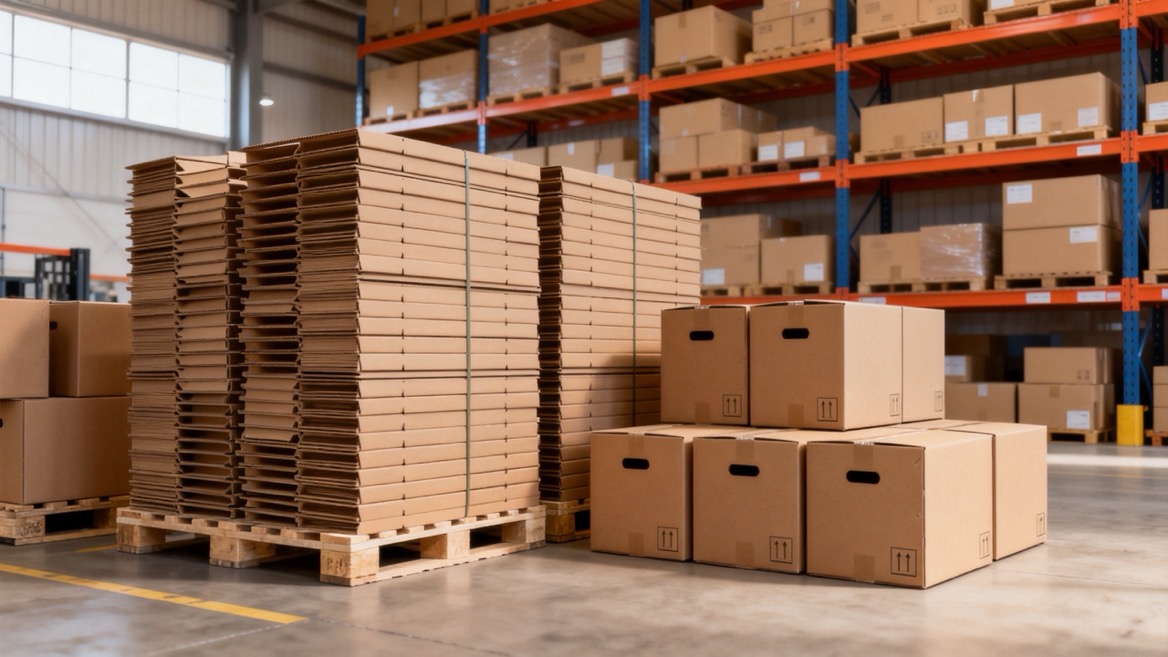
Setup boxes are ready to use. A packing team can open the lid, place the product and insert inside, add tissue paper or accessories, close the box, and prepare it for shipping.
This makes setup boxes suitable for:
- High-speed packing lines
- Retail-ready packaging
- Gift sets assembled at the factory
- Fragile products requiring precise placement
- Brands with limited fulfillment labor
- Projects requiring consistent presentation at scale
The packaging process is more predictable because every unit is already in its final shape.
Collapsible boxes must be erected before packing. Depending on the structure, this may involve opening side panels, engaging magnets, folding corners, removing adhesive liners, or pressing structural tabs into place.
Before selecting this format, ask these questions:
1. Who will assemble the boxes?
2. Will the boxes be assembled manually or with semi-automatic equipment?
3. How many seconds does it take to form one box?
4. Is assembly easy enough for temporary or seasonal staff?
5. Are magnets strong enough to hold the box during packing?
6. Will the product be packed immediately after assembly?
7. Can the box be re-flattened if packing plans change?
8. Does the fulfillment team have enough table space for assembly?
A well-designed collapsible box may take only a few seconds to form. But a complicated structure, weak magnetic panel, or unclear packing instruction can slow down operations and increase defects.
For this reason, we recommend conducting a small fulfillment trial before finalizing the production order. Send samples to the actual packing location. Let the team assemble, fill, close, label, and ship the package under real working conditions.
Both setup boxes and collapsible boxes can provide excellent protection when properly designed. The key is matching the box structure to the product's weight, shape, fragility, and shipping journey.
Setup boxes are typically the stronger option for products that are heavy, fragile, premium, or sensitive to movement. Their fixed corners and stable walls provide dependable support.
They are especially suitable for:
- Glass bottles
- Ceramic products
- Luxury candles
- Watches and jewelry
- High-end electronics
- Premium spirits
- Fragile gift sets
- Collectible products
- Presentation kits
A custom insert can improve protection further. Common insert materials include EVA foam, EPE foam, molded pulp, paperboard, velvet-lined paperboard, blister trays, and die-cut cardboard.
Collapsible boxes can safely protect many products, especially when combined with a well-fitted insert and an outer shipping carton. They work particularly well for lightweight or moderately weighted products.
Suitable applications include:
- Apparel
- Scarves and accessories
- Beauty gift sets
- Wellness products
- Subscription packages
- Small electronics
- Corporate gifts
- Stationery
- Promotional products
For heavier products, collapsible boxes may still work, but the bottom panel, corner folds, and internal insert must be carefully tested. The box should not spread, bow, or lose its rectangular shape after the product is loaded.
Both styles create valuable opportunities for premium branding. The best choice depends on what customers see, touch, and remember.
A setup box creates an immediate sense of permanence. It feels like a complete object rather than just a container. This can be particularly effective for luxury products where the package becomes part of the ownership experience.
A collapsible box can also feel highly premium after assembly. Magnetic closure boxes, book-style boxes, ribbon boxes, and custom printed foldable rigid boxes can create a memorable reveal while offering better logistics efficiency.
Whether you choose a setup box or collapsible box, the exterior finish strongly influences perceived value.
Popular customization options include:
- Matte lamination
- Soft-touch lamination
- Gloss lamination
- Anti-scratch film
- Hot foil stamping
- Embossing
- Debossing
- Spot UV
- Raised UV
- Metallic paper
- Textured specialty paper
- Linen paper
- Kraft paper
- Holographic paper
- Custom ribbon pulls
- Printed interior panels
- Branded tissue paper
- Personalized inserts
Research commissioned by the Paper and Packaging Board found that roughly seven in ten surveyed consumers believed packaging design can influence purchasing decisions, while 83% agreed that paper and cardboard packaging can be innovative.
The important lesson is simple: premium packaging does not depend on structure alone. It depends on the complete experience, including material quality, opening motion, print accuracy, tactile finish, insert design, and product fit.

A common mistake is comparing setup boxes and collapsible boxes only by factory price per unit.
A better method is to calculate the total packaging cost:
Total Packaging Cost=Box Cost+Freight+Storage+Assembly Labor+Fulfillment Time+Damage Risk+Outer Carton Cost
A setup box may have a higher freight and storage burden because it ships fully assembled. However, it can save labor during product packing.
A collapsible box may require more engineering or assembly labor, but it can lower inbound transportation volume and warehouse costs.
Imagine a brand importing 10,000 premium gift boxes from an overseas manufacturer.
With setup boxes:
- The boxes arrive ready for product packing.
- Warehouse staff can pack products quickly.
- More storage volume is required.
- Freight may be higher because the boxes occupy full space.
With collapsible boxes:
- The boxes arrive flat-packed.
- More units can fit into the same shipment and warehouse area.
- Staff must assemble each box before packing.
- The brand may save significant logistics cost, especially on long-distance shipments.
The winning format depends on the brand's operating model. A luxury retailer packing small quantities by hand may prefer setup boxes. A fast-growing e-commerce company shipping packaging internationally may benefit from collapsible rigid boxes.
Paper-based packaging can support more responsible material choices, but the environmental impact of a box depends on its material sourcing, design efficiency, transport distance, reuse potential, and end-of-life handling.
In the United States, containers and packaging represented 82.2 million tons of municipal solid waste generation in 2018. Paper and paperboard containers and packaging accounted for 41.9 million tons, while paper and paperboard packaging includes folding cartons and setup boxes such as shoe, cosmetic, and candy boxes.
When evaluating a rigid box or collapsible box, consider the following:
- Use responsibly sourced paper and paperboard where available
- Avoid unnecessary layers, oversized empty space, and excessive plastic components
- Design inserts to use only the material needed for secure product protection
- Consider recyclable paper-based alternatives to foam where product requirements allow
- Use durable construction if the box is intended to be reused
- Optimize shipping volume to reduce transport inefficiency
- Clearly communicate material-disposal guidance to customers when appropriate
A collapsible box can offer a logistics advantage because it is flat-packed. Yet a setup box may be kept and reused by consumers as storage, gift packaging, or product display. Therefore, sustainability should be assessed through the entire packaging lifecycle rather than by assuming that one structure is always more responsible.
Research on consumer views of paper-based packaging also emphasizes that sustainable packaging should be evaluated through its overall environmental impact, including lifecycle considerations.
Use this practical decision framework before selecting your custom packaging structure.
Choose a setup box if:
- Your product is fragile, heavy, or high-value
- Your packaging must feel immediately substantial
- You want the strongest possible corner and wall structure
- Your packing process requires maximum speed
- You have sufficient warehouse storage
- Your product is sold in luxury retail, boutiques, or gift channels
- Your customers are likely to retain the box after purchase
Choose a collapsible box if:
- You need to reduce shipping volume
- You import packaging over long distances
- Your warehouse space is limited
- You operate regional fulfillment centers
- Your product is lightweight to moderately weighted
- Your team can assemble boxes efficiently
- You want a luxury look with flat-pack logistics benefits
- You expect seasonal demand changes and need flexible inventory storage
Before approving mass production, review these points with your packaging manufacturer:
- Confirm the exact product dimensions, weight, and orientation
- Decide whether the box will be displayed, shipped, gifted, or all three
- Test the product with the actual insert material
- Confirm board thickness and wrapping paper specification
- Request a blank structural sample before printed sampling
- Check lid fit, magnet alignment, opening force, and corner quality
- Test box assembly with the actual fulfillment team
- Review shipping carton dimensions and pallet loading plans
- Confirm print files, logo placement, foil color, and finish details
- Approve tolerance standards for color, size, and handmade wrapping details
- Request transit testing for fragile or high-value products
- Calculate total landed cost instead of focusing only on unit price
The most successful packaging projects begin with a clear understanding of the product journey: from factory production to transport, warehousing, fulfillment, customer unboxing, and eventual reuse or disposal.
The central difference between setup boxes and collapsible boxes is not simply whether a box folds. It is the balance between presentation, protection, logistics, labor, and cost.
Setup boxes provide exceptional rigidity, immediate luxury appeal, and efficient packing operations. They are ideal for premium products that require a strong, fixed structure and an impressive first impression.
Collapsible boxes offer an intelligent alternative for brands that want luxury packaging while improving shipping and storage efficiency. They are particularly valuable for export-focused projects, e-commerce operations, and companies managing limited warehouse space.
At Maituohong Packaging, we help brands compare these structures based on real product requirements rather than assumptions. Share your product dimensions, estimated order quantity, target market, packing method, and desired finish, and our packaging team can recommend the most suitable custom rigid box solution for your project.
Yes. Setup boxes are commonly called rigid boxes because they are made from thick board and retain their shape. They are delivered fully assembled rather than flat-packed.
Yes, when they are properly engineered. A collapsible rigid box with suitable board thickness, reinforced folds, strong magnets, and a fitted insert can protect many luxury products. Heavy or highly fragile items may require additional structural testing.
Not always. Collapsible boxes may involve more complex structural design or assembly, but they can reduce freight and storage expenses. The best comparison is total landed cost, not only the factory unit price.
Collapsible boxes are often a strong choice for e-commerce because they save space during storage and inbound shipping. However, setup boxes may be better when packing speed, product protection, or a high-end unboxing experience is the main priority.
In most cases, yes. Both can use premium finishes such as foil stamping, embossing, debossing, spot UV, textured paper, soft-touch lamination, custom inserts, ribbons, and magnetic closures.
Collapsible boxes are generally more space-efficient for international shipping because they can be packed flat. This can reduce freight volume and make warehouse storage more efficient.
Yes. Collapsible boxes can be designed with EVA foam, paperboard, molded pulp, EPE foam, flocked trays, or other custom inserts. The insert should be tested with the box to ensure the product remains stable after assembly.
1. [U.S. Environmental Protection Agency — Containers and Packaging: Product-Specific Data]
2. [National Library of Medicine — Sustainable Paper-Based Packaging: A Consumer's Perspective]
3. [JohnsByrne — Packaging Choices: Rigid Boxes vs. Folding Cartons]
4. [Deluxe Packaging — Set-Up Boxes]
5. [GlobeNewswire — Survey on Packaging Design and Consumer Purchasing Decisions]


