
Views: 263 Author: Maituohong Packaging Publish Time: 2026-09-20 Origin: Site


Content Menu
● Why Packaging Matters to Modern Brands
● The Top 10 Advantages of Packaging
>> 1. Packaging Protects Products Throughout the Supply Chain
>> 2. Packaging Helps Preserve Product Quality
>> 3. Premium Packaging Raises Perceived Value
>> 4. Packaging Differentiates Products at Retail
>> 5. Packaging Creates a Better Unboxing Experience
● Packaging as a Brand Communication Tool
>> 6. Packaging Communicates Essential Product Information
>> 7. Packaging Tells a Brand Story
>> 8. Packaging Works as Ongoing Marketing
● Operational and Material Advantages
>> 9. Packaging Improves Storage, Handling, and Fulfillment
>> 10. Paper Packaging Can Support More Responsible Decisions
● How to Select the Right Custom Rigid Box
>> Step 1: Define the Product Requirements
>> Step 2: Identify the Sales Channel
>> Step 3: Choose a Suitable Box Structure
>> Step 4: Engineer the Interior Protection
>> Step 5: Test Before Mass Production
● Partner With Maituohong Packaging
>> What are the main advantages of packaging?
>> Why are rigid boxes used for luxury products?
>> Can custom rigid boxes protect fragile products during shipping?
>> What information should be included on product packaging?
>> Are paper rigid boxes recyclable?
>> What is the best rigid box style for a gift set?
>> How early should brands start custom packaging development?
>> Can a packaging manufacturer help with box design?
Packaging is far more than a container. For brands selling premium products, custom rigid boxes and paper packaging protect the item, guide the customer experience, communicate product information, and turn each delivery or retail display into a memorable brand moment.
At Maituohong Packaging, we have spent more than 18 years designing and producing high-quality rigid gift boxes, folding cartons, and tailored paper packaging solutions. From a manufacturer's perspective, the strongest packaging is not simply attractive. It is engineered around the product, supply chain, sales channel, customer expectations, and end-of-life requirements.
This guide explains the top 10 advantages of packaging, with practical insights for brands sourcing luxury rigid boxes, cosmetic packaging, electronics boxes, food gift packaging, and other custom paper packaging solutions.
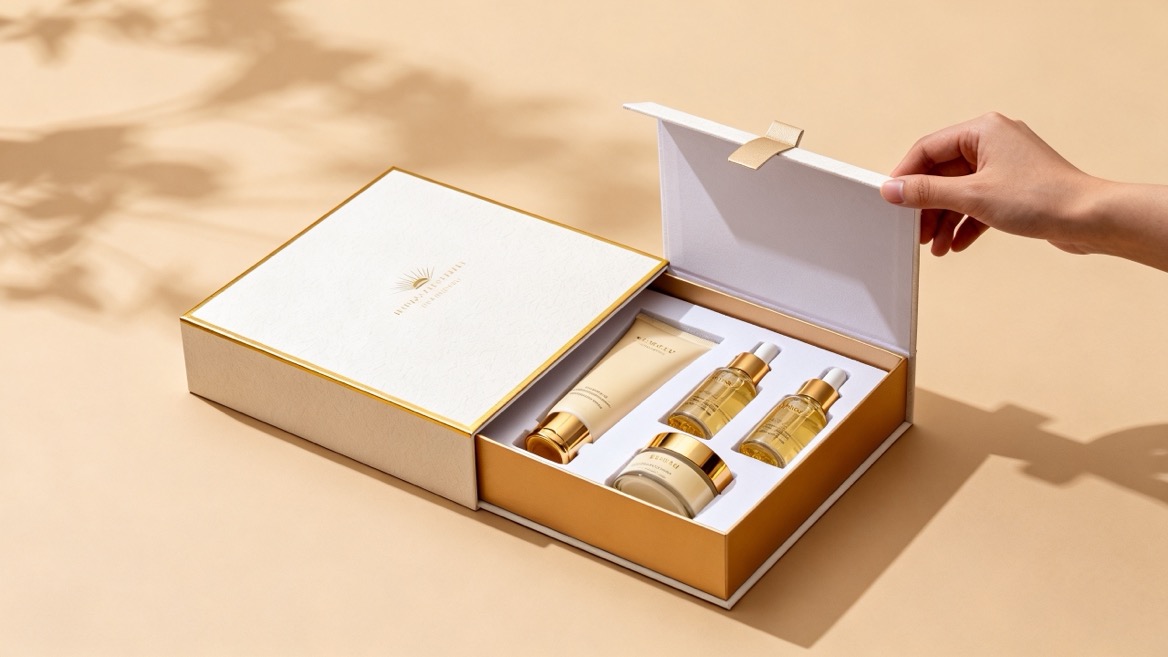
A product may be exceptional, but customers often form their first physical impression before they touch the product itself. The texture of the paper, the fit of the lid, the clarity of the printed information, and the way the product is revealed all influence perceived value.
For premium consumer goods, packaging must perform several jobs at the same time:
- Protect the product from impact, abrasion, moisture exposure, dust, and mishandling.
- Support efficient logistics through better stacking, packing, warehousing, and fulfillment.
- Create brand recognition through color, typography, materials, and structural design.
- Communicate essential information such as ingredients, usage instructions, safety notices, and product identity.
- Improve the unboxing experience for retail buyers, gift recipients, and online customers.
- Support responsible material choices with traceable paper-based options and practical design decisions.
Recent consumer research continues to show that product quality and value remain central to purchasing decisions, while food safety and shelf life are especially influential packaging considerations. At the same time, recyclability is widely viewed as the most important environmental packaging attribute. This means brands should not treat packaging as a purely visual expense. It is a functional commercial asset that needs to balance protection, cost, presentation, and material responsibility.
| Packaging Advantage | What It Delivers for a Brand |
|---|---|
| Product protection | Reduces damage, breakage, scuffing, and contamination risks |
| Extended product life | Helps shield sensitive items from light, dust, air, and moisture |
| Premium brand perception | Makes products feel more considered, valuable, and giftable |
| Retail shelf impact | Improves visibility and differentiation in crowded categories |
| Better unboxing | Creates a smoother and more memorable customer experience |
| Product communication | Displays product details, instructions, and brand storytelling |
| Easier storage and handling | Supports stacking, inventory management, and transport |
| Marketing value | Extends brand exposure beyond advertising channels |
| Customer confidence | Helps signal authenticity, consistency, and attention to quality |
| More responsible choices | Enables practical paper-based formats and traceable sourcing options |
The most fundamental advantage of packaging is product protection. A beautiful box that arrives crushed, scratched, or poorly fitted does not create a premium experience. It creates returns, complaints, and avoidable cost.
Custom rigid boxes are particularly effective for products that need structural strength and presentation value. Unlike thin folding cartons, rigid setup boxes are made from dense paperboard that holds its shape well. They are often used for cosmetics, perfumes, jewelry, wine, watches, electronics, candles, stationery, and high-value gift sets.
Protection should be planned around the full product journey:
- Factory packing and palletization
- International transportation
- Warehouse storage
- Pick-and-pack fulfillment
- Last-mile delivery
- Retail display or gifting
- Customer storage after purchase
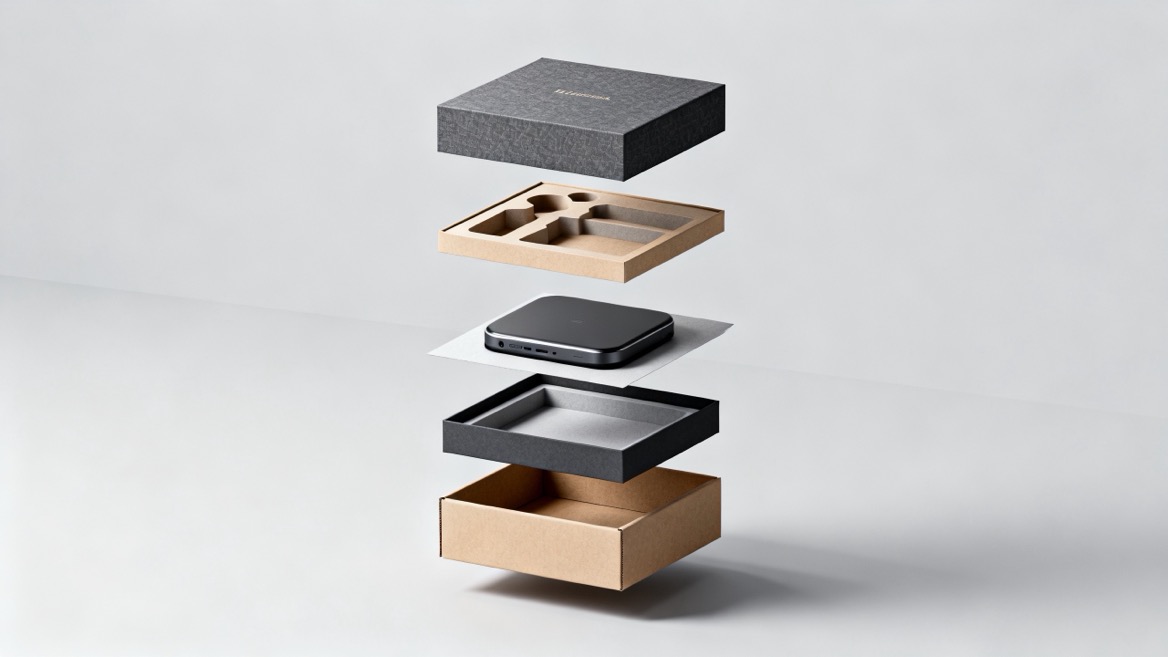
A well-designed box can include EVA foam, paperboard inserts, molded pulp trays, satin linings, partitions, or die-cut paper inserts to stop products from shifting inside the package. The best insert is not automatically the most expensive one. It is the one that secures the product, reinforces the desired presentation, and suits the brand's material strategy.
Many products are affected by environmental conditions. Moisture, dust, sunlight, heat, oxygen exposure, and repeated handling can reduce quality or affect appearance.
Paper packaging is not a substitute for primary barrier packaging where a product requires airtight, food-safe, or moisture-resistant protection. However, it plays an important secondary role by protecting the inner container and reducing physical damage throughout storage and distribution.
For example, a premium skincare brand may use:
- A sealed glass jar or bottle as the primary container
- A protective inner tray to immobilize the product
- A rigid presentation box to prevent impact and elevate the gift experience
- A shipping carton to manage delivery conditions
This layered approach helps preserve both the product and the customer's perception of quality. For fragile or premium items, the packaging system matters more than any single box component.
Customers often use packaging to judge whether a product feels trustworthy, luxurious, gift-worthy, or worth its price. This is especially important when the customer cannot test the product before purchasing, such as in e-commerce, gifting, subscription boxes, and online beauty sales.
Rigid gift boxes have a naturally premium character because of their solid construction, clean edges, and substantial hand feel. Features that can enhance perceived value include:
- Magnetic closures
- Lift-off lids
- Drawer-style structures
- Shoulder-and-neck boxes
- Ribbon pulls
- Custom inserts
- Soft-touch lamination
- Textured specialty paper
- Foil stamping
- Embossing or debossing
- Spot UV details
- Custom printed interiors
The goal is not to add every finish available. Over-decoration can look unfocused and increase cost without improving the customer experience. A strong design typically uses a few carefully chosen details that align with the brand's positioning.
For example, a minimalist jewelry brand may create stronger impact with uncoated textured paper, blind embossing, and a precise lid fit than with multiple foil colors and glossy effects.
Retail shelves are crowded. Even in online stores, customers scroll through small product images in seconds. Packaging gives brands a visual system that helps customers recognize the product quickly.
A distinct package can communicate category, price level, and brand personality before the customer reads the details. The choice of structure, color palette, logo placement, and finish all contribute to differentiation.
For effective retail packaging, focus on three questions:
1. Can customers identify the brand quickly?
Use consistent color, logo treatment, typography, and visual style across product lines.
2. Can customers understand the product quickly?
Clearly state the product type, key variation, size, benefit, or intended use.
3. Does the packaging look appropriate for its price point?
The material, print quality, structure, and finish should support the product's market position.
A rigid box is especially suitable when the outer package is expected to remain visible after purchase, such as a gift set, collectible product, tech accessory, or luxury item.
The unboxing moment is now an important part of product ownership. For direct-to-consumer brands, it can influence reviews, repeat purchases, gifting behavior, and user-generated content.
A memorable unboxing experience does not require unnecessary layers. In fact, too much tape, oversized void fill, or difficult-to-open packaging can frustrate customers. The experience should feel intentional, intuitive, and proportionate to the product.
A well-planned unboxing sequence may include:
1. A shipping carton sized to reduce excess empty space.
2. A branded inner box that remains clean and undamaged.
3. An opening mechanism that feels natural, such as a magnetic flap or ribbon pull.
4. A top card, message, or simple brand story.
5. An insert that presents the product in a stable and attractive position.
6. Product information that is easy to find and read.
The best unboxing design creates a sense of discovery while keeping the process easy. Convenience is part of premium quality.
Packaging is one of the most reliable places to provide product information because customers see it before, during, and after purchase. Depending on the category and destination market, packaging may need to include product names, ingredients, warnings, net content, expiration information, batch details, usage instructions, disposal guidance, and importer information.
Clear information helps customers make informed decisions. It can also reduce confusion after purchase and support customer service teams by answering common questions directly on the package or insert.
Good information design should be:
- Easy to scan rather than crowded
- Accurate and consistent with product listings and labels
- Appropriate for the sales region
- Legible at normal viewing distance
- Separated by hierarchy, with the most important details easiest to find
For brands selling internationally, it is wise to confirm all labeling requirements with qualified regulatory and market specialists before final production. Packaging manufacturers can help execute approved artwork, but compliance decisions should not rely on generic templates.
A package can tell customers what the brand stands for without relying on a long sales message. The paper choice, printing style, opening experience, image direction, and written tone all communicate something.
For example:
- A natural skincare brand may use soft colors, uncoated paper, botanical graphics, and concise ingredient-led messaging.
- A technology brand may use clean geometry, precise product imagery, and structured internal organization.
- A heritage gift brand may use rich colors, tactile textures, foil accents, and a layered opening sequence.
- A modern wellness brand may use calming typography, simple instructions, and reusable rigid boxes.
One of the greatest advantages of custom packaging is that it turns brand identity into something physical. Customers can hold it, photograph it, reuse it, and remember it.
Packaging can keep promoting a product after the purchase is complete. A distinctive gift box may appear in social media photos, unboxing videos, office shelves, bedroom storage, and gift-giving occasions. This gives the brand visibility beyond the first transaction.
However, marketing value only works when the package is useful enough to keep. A sturdy rigid box can be reused for storage, organization, or gifting. That continued use may extend exposure to the brand's visual identity.
Practical ways to turn packaging into a marketing asset include:
- Include a concise brand message inside the lid.
- Add a QR code that leads to verified product-care instructions, registration, or brand content.
- Use a collectible packaging series for limited editions.
- Create a consistent color system across product families.
- Design rigid boxes that customers are likely to keep and reuse.
- Add a small referral, loyalty, or replenishment card where appropriate.
Avoid turning every surface into an advertisement. The most effective brand packaging feels confident, not cluttered.
Strong structural design makes products easier to store, count, transport, and display. For manufacturers and retailers, packaging dimensions affect carton utilization, pallet configuration, warehouse space, and shipping expense.
Before approving a rigid box design, brands should evaluate:
- Product dimensions and tolerances
- Product weight and fragility
- Inner insert requirements
- Box opening direction
- Master-carton quantity
- Carton size and weight
- Pallet pattern
- Shipping method
- Retail display requirements
- E-commerce delivery conditions
A box can be visually impressive but operationally inefficient if it wastes too much space, requires complex manual assembly, or causes poor pallet utilization. Good packaging development brings designers, purchasing teams, logistics staff, and product teams into the discussion early.
Paper-based packaging can be a valuable option for brands seeking material choices that are widely understood by consumers and compatible with paper-recovery systems in many markets. However, responsibility should be assessed at the full-system level, not through simple claims.
A practical approach includes reducing unnecessary material, designing boxes to fit products efficiently, selecting suitable paperboard and paper components, and avoiding combinations that make recovery more difficult where feasible.
Traceable forest-based sourcing can also support credibility. Forest Stewardship Council chain-of-custody certification verifies that certified forest-based materials are identified and tracked through the supply chain, from sourcing to distribution. A finished product carrying an approved label reflects compliance with chain-of-custody requirements across that path.
For businesses selling into the European market, packaging rules are also evolving. Regulation (EU) 2025/40 on packaging and packaging waste entered into force in February 2025, with phased application beginning from 12 August 2026. Brands should review their packaging formats, material data, labeling approaches, and supplier documentation with relevant compliance professionals.
The key principle is simple: make claims that can be supported by real materials, documents, and processes. Avoid broad statements that cannot be verified.
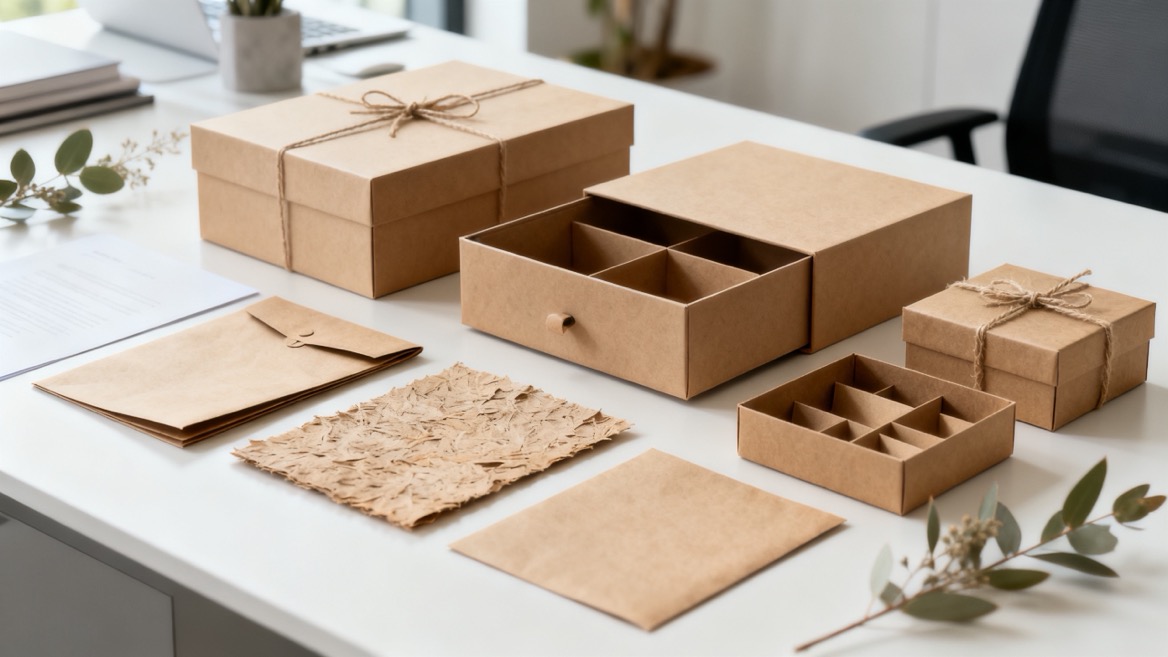
Choosing the right box starts with the product, not the decoration. At Maituohong Packaging, we recommend beginning with a structured briefing process.
Provide the product size, weight, photos, material, fragility level, and any existing packaging. If there are multiple components, list each item and explain how it should be arranged in the box.
A box for a retail shelf has different requirements from one shipped individually to online buyers. E-commerce packaging may need stronger protection, while retail packaging may prioritize display impact and rapid product recognition.
Common rigid box styles include:
| Box Style | Best For | Main Benefit |
|---|---|---|
| Lift-off lid box | Gift sets, apparel, candles, premium accessories | Classic and versatile presentation |
| Magnetic closure box | Cosmetics, corporate gifts, luxury kits | Premium opening experience |
| Drawer box | Jewelry, beauty products, small electronics | Controlled reveal and compact storage |
| Shoulder-and-neck box | Fragrance, premium liquor, high-end gifts | Strong structure and refined appearance |
| Book-style box | Brand kits, electronics, special editions | Large interior area for storytelling |
| Collapsible rigid box | E-commerce and export projects | Reduces storage and freight volume before assembly |
Choose an insert based on the product and the desired experience. Paperboard inserts work well for many products and can be printed. EVA foam provides strong cushioning and a precise fit. Molded pulp can suit brands looking for a paper-based protective solution. Fabric-covered trays can add a luxury presentation for jewelry and high-value gifts.
Request a structural sample or pre-production sample before full production. Check:
- Product fit
- Lid opening and closing
- Insert stability
- Print color accuracy
- Surface finish quality
- Shipping durability
- Carton packing method
- Customer-facing appearance
This stage helps prevent costly revisions after production begins.
For more than 18 years, Maituohong Packaging has focused on custom paper packaging manufacturing, with experience in rigid gift boxes, luxury presentation boxes, custom inserts, printed paper packaging, and tailored structures for brands across multiple product categories.
We believe the right packaging should do more than look premium. It should protect the product, work efficiently in your supply chain, reflect your brand identity, and create an experience customers remember.
If you are developing a new product launch, upgrading your current gift box, or sourcing a reliable custom rigid box manufacturer, share your product dimensions, target market, expected quantity, artwork, and desired box style with our team. We can help you evaluate practical structures, materials, inserts, printing options, and finishing details for a packaging solution built around your real business needs.
The main advantages include product protection, improved shelf presentation, clearer product communication, better handling and storage, enhanced customer experience, stronger brand recognition, and opportunities to use material choices that align with a brand's sourcing goals.
Rigid boxes use dense paperboard construction, which gives them a strong shape, premium feel, and high-quality presentation. They are often used for cosmetics, jewelry, electronics, fragrances, wine, gift sets, and other products where perceived value matters.
Yes, when they are properly engineered as part of the total packaging system. Rigid boxes can be combined with fitted inserts, foam, molded pulp, paperboard partitions, and protective shipping cartons to reduce movement and impact during transit.
The required information varies by product category and destination market. Common elements include the product name, brand name, ingredients or materials, net content, usage instructions, warnings, batch or date information, disposal guidance, and importer details where applicable.
Many rigid boxes are primarily paper-based, but recyclability depends on the specific components used. Laminations, magnets, foam inserts, plastic windows, metallic decorations, and adhesive systems may affect how the package is handled in local recovery systems. Designing with fewer mixed materials can make end-of-life handling more straightforward.
A magnetic closure box, lift-off lid box, or shoulder-and-neck box is often suitable for gift sets. The best choice depends on product dimensions, weight, insert requirements, target price point, and the desired opening experience.
Start as early as possible, ideally during product development. Early planning gives the packaging team time to test dimensions, select materials, confirm artwork, refine inserts, and evaluate shipping requirements before the product launch schedule becomes tight.
A manufacturer can provide structural guidance, dieline support, material recommendations, sample development, printing options, and production feedback. Brands should provide their product requirements, visual direction, target quantity, and sales-channel needs so the packaging can be developed accurately.
1. [Tycoon Packaging — Top 10 Advantages of Packaging]
2. [McKinsey — Sustainability in Packaging 2025: Inside the Minds of Global Consumers]
3. [European Commission — Packaging Waste and Packaging Rules]
4. [European Commission — New Packaging Rules Enter into Application]
5. [Forest Stewardship Council — Chain of Custody Certification]


