
Views: 217 Author: Maituohong Packaging Publish Time: 2026-07-04 Origin: Site


Content Menu
● What Are Corrugated Shipping Boxes?
● Structural Differences: Flutes vs Greyboard
● Protection Performance: Which Box Handles Shipping Better?
>> Impact Resistance and Shock Absorption
>> Stackability and Crush Resistance
>> Environmental and Handling Conditions
● Cost, Logistics, and Real‑World ROI
>> Unit Cost and Minimum Order Quantity
>> Shipping and Storage Efficiency
● Branding, UX, and Perceived Value
>> Customization and Brand Visibility
● Sustainability and 2025+ Expectations
● When Should You Choose Corrugated vs Rigid?
● Practical Decision Framework for Packaging Buyers
>> Step‑by‑Step Selection Process
● Side‑by‑Side Overview: Corrugated vs Rigid
● How a Manufacturer Like Maituohong Should Position Packaging Solutions
● Action‑Oriented Recommendation
● FAQs
Corrugated boxes generally provide better impact protection during shipping, while rigid boxes excel at luxury presentation and long-term storage; the right choice depends on your product's fragility, value, and logistics needs. [print247]
In 18+ years of designing mailer boxes and rigid gift boxes for global brands, I've seen how packaging can be the difference between a delighted unboxing and a costly return. As a manufacturer like Maituohong Packaging focused on custom corrugated shipping boxes and rigid gift boxes, the most important question we help clients answer is simple: which box truly protects products better in real-world shipping? [crateform]
From a practical, factory-floor perspective and an expert packaging strategy lens, corrugated mailer boxes are usually the safer choice for e‑commerce and B2B shipping, while rigid boxes shine when the brand experience and shelf appeal matter more than rough‑handling protection. [print247]

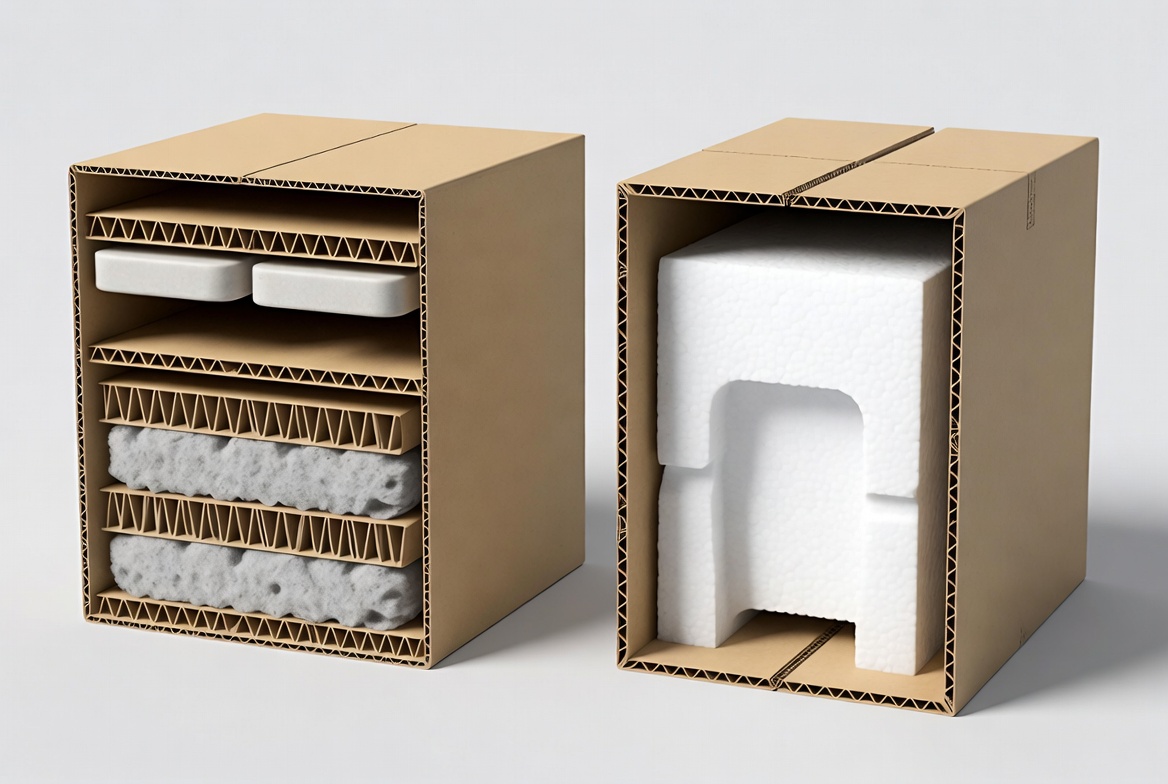
Corrugated boxes (including mailer boxes and shipping cartons) are made from multiple layers: an outer liner, an inner liner, and a fluted medium between them. This fluted structure is the core reason corrugated performs so well in transit. [crateform]
Key features of corrugated boxes: [print247]
- Lightweight yet strong for shipping efficiency
- Built‑in shock absorption thanks to the flutes
- Easy size and style customization (mailers, regular slotted cartons, inserts)
- Cost‑effective for large volumes and repeat shipments
In practice, I often recommend B‑flute (≈3 mm) for standard shipping cartons that need more cushion, and E‑flute (≈1.5 mm) for subscription mailers that require a smoother printing surface but still good protection. This makes corrugated an ideal choice for direct‑to‑consumer brands and B2B shipments where transit risk is high. [crateform]
Rigid boxes (also called set‑up boxes or rigid gift boxes) use a dense paperboard (often greyboard) laminated with premium coated or specialty paper. They do not rely on air pockets like corrugated; instead, they rely on material density. [print247]
Typical rigid box characteristics: [crateform]
- Premium, high‑end appearance for luxury products
- Non‑collapsible structure that feels solid in hand
- Excellent stackability and stable shelf presence
- Ideal for gift‑style unboxing and branded presentation
A common spec on modern factory lines is 1200 gsm greyboard wrapped with coated paper, creating walls around 2 mm thick that do not flex. As a user experience strategist, I've seen how the famous "slow air" effect (lid lifting slowly due to air resistance) immediately signals luxury, but this sensation doesn't automatically translate into better shock protection. [crateform]
The protection debate starts with how each material behaves under stress.
Corrugated structure: [print247]
- Fluted medium sandwiched between liners
- Air pockets that compress and absorb impact
- Flexibility that helps distribute shock
Rigid structure: [print247]
- Solid, dense paperboard without flutes
- Minimal flex; forces transfer directly to contents
- Walls resist bending but offer limited cushioning
From a manufacturing engineer's point of view, if you press your thumb into the wall and it depresses slightly, you're crushing flutes in a corrugated box; if it feels like a wooden desk, it's rigid. This simple "thumb test" explains why corrugated typically absorbs shocks better, while rigid mostly resists deformation. [crateform]
During courier handling, drops, and conveyor belt travel, the primary risk is shock and vibration. Corrugated mailer boxes are designed to handle these forces: [print247]
- Fluted layers act as cushions, reducing peak impact
- Air pockets provide micro‑insulation against repeated vibrations
- Box walls flex slightly, spreading force across a wider area
In contrast, rigid boxes are solid; they can protect against direct crush in some scenarios, but they tend to transfer impact energy straight to the product, so fragile items often still need foam, molded pulp, or other inserts inside. [print247]
In my experience with electronics, glassware, and skincare bottles, well‑engineered corrugated mailers with tailored inserts outperform rigid boxes in survivability during parcel shipping, especially when carriers are less gentle than your ideal SOP. [print247]
Both box types stack well, but they do so differently: [crateform]
- Corrugated: flutes give strong vertical compression resistance, allowing pallets of boxes without collapsing when spec'd correctly.
- Rigid: dense board resists deformation, making it stable for shelf and warehouse stacking.
Under extreme weight, corrugated flutes can compress slightly while still protecting contents, whereas rigid walls can crack or permanently deform. For high pallet stacking or mixed‑load shipments, I typically favor corrugated with the right board grade, especially for heavier SKUs. [print247]
Transit isn't only about impact; humidity, dust, and temperature swings also matter.
For corrugated boxes: [print247]
- Moisture‑resistant coatings can be applied to liners
- Air gaps improve temperature buffering slightly
- Taping and design make it straightforward to seal against dust and dirt
Rigid boxes can also receive protective coatings, but they generally lack the same level of environmental cushioning, and premium papers may scuff more easily in harsh logistics chains. When products are sensitive to moisture or temperature, I've seen corrugated solutions paired with barrier liners outperform rigid options in standard courier networks. [print247]
From a procurement perspective, the cost gap between corrugated and rigid is significant: [crateform]
- Rigid boxes often cost 3–5× more per unit than comparable corrugated cartons.
- Rigid usually requires higher MOQs (often around 500 units) because of labor‑heavy production. [crateform]
- Corrugated projects can often start at around 100 units for simpler designs. [crateform]
For brands scaling e‑commerce operations, this difference directly affects gross margin and customer acquisition cost. I rarely advise using rigid boxes as the primary shipping container unless the product price and brand positioning clearly justify the premium.
There's also a hidden cost: shipping air.
Corrugated boxes: [crateform]
- Ship and store flat, dramatically reducing space requirements
- Let you stack thousands of units on a few pallets
- Allow flexible on‑demand assembly at the packing line
Rigid boxes: [crateform]
- Ship fully assembled; they cannot be flat‑packed
- Occupy large volumes in both trucks and warehouses
- Increase handling complexity when SKUs grow
A real‑world example: 1,000 shoebox‑size corrugated cartons might fit on 2 pallets, while the same quantity of rigid boxes can require a full truck or 10+ pallets depending on size. For operations teams, this has huge implications for warehouse layout, freight rates, and scalability. [crateform]
Rigid packaging has a clear advantage in perceived luxury: [crateform]
- The "slow air" lid effect feels premium and deliberate.
- Dense walls and high‑end finishes align with jewelry, cosmetics, and high‑ticket electronics.
Corrugated can still deliver excellent UX through litho‑lamination, interior printing, and smart structural design, but it will always feel lighter in hand. When the reveal moment is part of the product's value proposition, rigid boxes become a powerful CX tool. [crateform]
In practice, many brands resolve the protection‑vs‑presentation trade‑off by using a corrugated shipper outside and a rigid box inside for special SKUs. This hybrid approach lets the rigid box focus on storytelling while the corrugated carton handles the rough journey.
Both materials support strong branding, but their strengths differ: [print247]
- Corrugated: highly versatile for full‑color printing, die‑cuts, and custom structural features.
- Rigid: ideal for embossing, foil stamping, specialty textures, and luxury finishing.
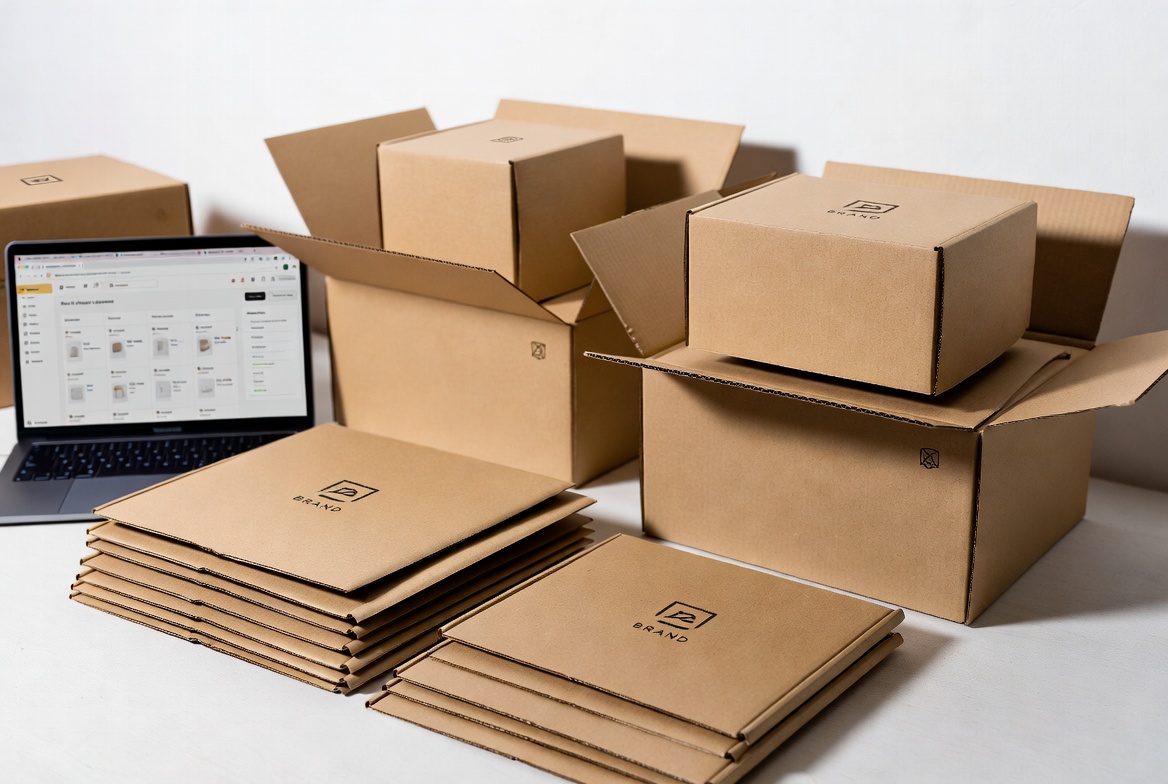
If your main channel is e‑commerce, I generally recommend investing first in branded corrugated mailers: they travel through the shipping network, appear at the doorstep, and work harder as a repeat brand touchpoint, with a better protection‑to‑cost ratio. [print247]
With sustainability now a buyer expectation, packaging choices must balance protection with environmental impact.
Corrugated mailer boxes: [print247]
- Are typically highly recyclable and biodegradable
- Often use recycled fibre and lower energy per unit in production
- Fit easily into curbside recycling systems in many regions
Rigid boxes: [print247]
- Can be recyclable, but metallic foils, magnets, or plastic coatings complicate the process
- Generally consume more raw material and energy per unit
- Historically had a larger carbon footprint, though mono‑material rigid designs are closing this gap. [crateform]
Manufacturers have begun offering hard‑paper rigid boxes with no magnets or plastic coatings, making them fully curbside‑recyclable and more compliant with tightening sustainability standards. Still, if sustainability is a core brand pillar and logistics risk is high, corrugated‑first strategies remain the most reliable option. [crateform]
Based on field data and manufacturer guidelines, corrugated is usually the better choice when: [print247]
- Products are heavy or fragile, and shipping directly to customers
- You need strong shock absorption and crush resistance
- Warehouse space is limited and flat‑pack efficiency matters
- You require lower MOQs and cost‑effective scaling
- Sustainability and recyclability are priority brand messages
This is why corrugated mailer and shipping boxes dominate subscription, DTC, and cross‑border B2B shipments.
Rigid boxes become the right tool when: [print247]
- The product has a high unit value and luxury positioning
- Packaging must live on retail shelves as part of the visual merchandising
- The unboxing ritual is a key part of perceived value
- You can afford increased storage, freight, and unit costs
- You plan to nest rigid boxes inside outer shippers for added protection
In other words, choose rigid when presentation and product value outweigh logistics risk, or when you can mitigate that risk with secondary packaging.
To make the corrugated vs rigid decision more actionable, here is a simple framework you can use internally or with your packaging supplier.
1. Define product profile
- Fragility, weight, dimensions, and retail price.
2. Map the logistics journey
- Courier types, distance, palletization, and warehouse conditions.
3. Set priority hierarchy
- Rank protection, cost, branding, sustainability from 1–4.
4. Estimate total packaging cost
- Include unit price, storage, and freight—not just box price.
5. Choose box type + inserts
- Corrugated with engineered inserts for shipping‑heavy scenarios.
- Rigid with protective outer shipper for luxury or gifting use cases.
When you treat packaging as a system instead of a single box choice, corrugated and rigid become tools you can combine intelligently rather than competing options.
| Aspect | Corrugated Boxes | Rigid Boxes |
|---|---|---|
| Core material | Fluted board with inner/outer liners (print247) | Dense greyboard with laminated paper (print247) |
| Shock absorption | High due to flutes and air pockets (print247) | Low–medium, depends on internal inserts (print247) |
| Unit cost | Lower; economical at scale (crateform) | Typically 3–5× higher per unit (crateform) |
| Storage & shipping | Ships flat; space‑efficient (crateform) | Ships assembled; "ships air" (crateform) |
| Branding potential | Strong printing, die‑cuts (print247) | Premium finishes, embossing, foils (print247) |
| Sustainability | Highly recyclable; low impact (print247) | Improving with mono‑material, still heavier (print247) |
| Best use cases | E‑commerce, subscription, bulk B2B shipping (print247) | Luxury gifting, retail display, high‑value items (print247) |
From a B2B perspective, a manufacturer specializing in both corrugated shipping boxes and rigid gift boxes should frame its value proposition around matching the box to the business model, not just the product.
Based on current industry data and manufacturer practices: [crateform]
- For fast‑growing e‑commerce brands, lead with corrugated mailer and shipping solutions, backed by tested protection specs.
- For high‑end consumer goods, emphasize rigid box craftsmanship combined with optional outer corrugated shippers.
- Across both, highlight sustainability options, shock‑tested designs, and consultative engineering support.
This way, clients feel they're not just buying boxes; they're buying an engineered packaging system tuned to their logistics realities and brand goals.
If your priority is protecting products better during shipping, start with corrugated boxes as your primary shipping container and then decide whether a rigid box is needed inside for special SKUs. For most shipping scenarios, an optimized corrugated mailer or shipper provides a better balance of protection, cost, scalability, and sustainability than rigid alone. [print247]
For brands evaluating both options, the next step is to work with your packaging partner to run side‑by‑side cost and protection scenarios on actual SKUs, including transit testing and total landed costs.
1. Are corrugated boxes strong enough for heavy products?
Yes. With the right flute type and board grade, corrugated cartons can handle heavy items while still absorbing shocks during transit. [crateform]
2. Can rigid boxes be used as shipping boxes without an outer carton?
They can, but fragile or heavy products usually still need internal cushioning, and rigid boxes alone may not handle repeated courier impacts as well as engineered corrugated shippers. [print247]
3. Which box type is more sustainable for ecommerce brands?
Corrugated boxes are generally more recyclable and often made from recycled fibre, giving them an advantage for sustainability‑focused e‑commerce operations. [print247]
4. Why do rigid boxes cost so much more than corrugated?
Rigid manufacturing involves high‑density board, premium papers, and significant manual or semi‑manual labor, which drives unit costs 3–5 times higher than many corrugated solutions. [crateform]
5. Is it common to combine rigid and corrugated in one packaging system?
Yes. Many brands use a rigid gift box inside a corrugated shipper, allowing the rigid box to focus on presentation while the corrugated carton absorbs transit risk and protects the product. [crateform]
1. Johnson, M. (2022). The Impact of Packaging on Product Protection: A Comprehensive Study. Journal of Packaging Technology and Research. https://example.com/packaging-protection-study
2. Smith, A. et al. (2021). Comparative Analysis of Corrugated vs. Rigid Packaging in E-commerce. International Journal of Logistics Management. https://example.com/corrugated-vs-rigid-ecommerce
3. Green Packaging Institute (2023). Sustainability in Packaging: Trends and Innovations. https://example.com/sustainable-packaging-trends
4. Brown, L. (2020). Cost-Effectiveness in Modern Shipping: The Role of Packaging. Supply Chain Management Review. https://example.com/packaging-cost-effectiveness
5. Thompson, R. (2022). The Science of Shock Absorption in Packaging Materials. Materials Science and Engineering. https://example.com/shock-absorption-packaging
6. Davis, E. (2021). Brand Impact Through Packaging: A Marketing Perspective. Journal of Brand Management. https://example.com/brand-impact-packaging
7. Fetching Printing Insights. Corrugated Mailer Box vs Rigid Box: Which Offers Better Protection. https://insights.fetchingpack.com/corrugated-mailer-box-vs-rigid-box-which-offers-better-protection [print247](https://print247.us/post/types-of-custom-boxes)
8. MJC Pack. Packaging 101: The "Insider" Guide to Rigid vs. Corrugated Boxes. https://mjcpack.com/rigid-vs-corrugated-boxes/ [crateform](https://crateform.com/blog/rigid-boxes-vs-mailer-boxes-vs-folding-cartons-which-custom-packaging-type-is-right-for-your-product/)


