
Views: 292 Author: Maituohong Packaging Publish Time: 2026-07-02 Origin: Site


Content Menu
● What Sustainable Packaging Really Means Today
● The Environmental Cost of Conventional Packaging
● The 7 R's of Sustainable Packaging—Applied to Folding Gift Boxes
● Why Eco-Friendly Packaging Is Now a Business Strategy
● How Consumers Recognize Truly Sustainable Packaging
● Emerging Sustainable Packaging Trends in 2026 You Can't Ignore
>> 1. Fiber-Based, Mono-Material Designs
>> 2. Circularity and Reuse Systems
>> 3. Smart and Connected Packaging
● Practical Steps: How Brands Can Transition to Sustainable Folding Gift Boxes
● Expert Insights: Balancing Premium Design and Sustainability
● How Sustainable Packaging Builds Trust With Eco-Conscious Consumers
● CTA: Ready to Redesign Your Folding Gift Boxes for Sustainability?
● FAQs
As a custom paper packaging manufacturer with over 18 years of hands-on experience in folding gift boxes and rigid cardboard gift packaging, I've seen sustainable packaging evolve from a niche concern into a decisive buying factor for both B2B and D2C brands. Today, eco-conscious consumers expect packaging that protects the product, reflects brand values, and minimizes environmental impact—and well-designed folding gift boxes are at the center of this shift. [dhl]

Sustainable packaging is no longer just a buzzword; it's a lifecycle approach to how materials are sourced, designed, used, and recovered. It aims to reduce waste, cut carbon emissions, and support circular systems where packaging is reused, recycled, or composted instead of ending up in landfill. [sustainablepackaging]
From an industry perspective, truly sustainable packaging considers:
- Responsible sourcing of fiber and board (FSC-certified paper, recycled content). [dhl]
- Efficient structural design that reduces material usage without sacrificing protection. [finance.yahoo]
- End-of-life pathways: recyclability, compostability, and practical recovery in real-world systems. [sustainablepackaging]
In other words, the question is no longer "Is this material recyclable in theory?" but "Will this package actually be recycled, reused, or safely returned to nature in practice?" [ecoenclose]
As manufacturers, we've watched the consequences of traditional, plastic-heavy packaging firsthand: overflowing waste streams, rising material costs, and more scrutiny from regulators. Conventional formats often create three major environmental challenges: [finance.yahoo]
- Pollution and microplastics: Plastics can linger for centuries, fragmenting into microplastics that contaminate soil and water. [dhl]
- Resource depletion: Virgin plastic and mixed-material laminates depend heavily on fossil fuels and high-energy processes. [finance.yahoo]
- Greenhouse gas emissions: Production, transport, and disposal of conventional packaging all drive CO₂ and other emissions up. [dhl]
Switching from plastic-heavy formats to fiber-based folding gift boxes and rigid paperboard solutions is now one of the most direct, visible ways brands can reduce their packaging footprint without compromising shelf presence. [ryleon]
Many brands know the 7 R's—Reduce, Reuse, Recycle, Repurpose, Refuse, Rethink, Rot—but struggle to apply them to premium packaging. In our experience, folding gift boxes are one of the few formats that can realistically incorporate all seven: [dhl]
- Reduce: Smart structural engineering and precise die-cutting minimize board usage while maintaining strength. [dhl]
- Reuse: Rigid and folding gift boxes are naturally kept, stored, and reused by customers—as keepsake boxes, organizers, or gift wrapping. [dhl]
- Recycle: Mono-material paperboard constructions, without plastic windows or mixed laminates, fit easily into existing paper recycling streams. [sustainablepackaging]
- Repurpose: Brands can encourage repurposing on-pack (e.g., "Reuse this box for your accessories"), reinforcing circular behavior. [dhl]
- Refuse: Eliminating unnecessary plastic trays, foam inserts, and non-essential coatings cuts both cost and environmental burden. [finance.yahoo]
- Rethink: Structural innovations—flat-pack folding gift boxes that assemble quickly—reduce shipping volume and emissions. [finance.yahoo]
- Rot: Where appropriate, compostable fibers and water-based inks allow certain paper-based formats to safely return to the soil. [ecoenclose]
This framework gives brands a practical roadmap for transforming their gift box portfolio from "nice packaging" into a credible sustainability asset.
The original article on sustainable packaging highlights how eco-friendly choices boost brand reputation, customer loyalty, and cost optimization. Recent industry data reinforces this: many brands now view packaging as a strategic lever—not just an operational detail. [packaginginsights]
From our manufacturing and client-side experience, sustainable folding gift boxes deliver three tangible business benefits:
- Cost optimization over time
- Lightweight, foldable designs cut freight costs and reduce breakage and returns. [finance.yahoo]
- Standardized box formats and board grades streamline purchasing and inventory. [dhl]
- Brand reputation and differentiation
- Visible, tactile packaging is often the first physical touchpoint a customer has with your brand. [packaginginsights]
- Clear sustainability cues—recyclable paperboard, minimal plastic, FSC logos—signal values instantly in a crowded market. [sustainablepackaging]
- Customer loyalty and repeat purchases
- Surveys show that environmentally conscious customers are more likely to repurchase from brands that use packaging they can recycle or reuse. [packaginginsights]
- Reusable gift boxes extend your brand's presence into the customer's daily life, keeping you "on the shelf" long after the product is consumed. [dhl]
For home décor, fashion, cosmetics, and gift segments—the exact industries reflected in the user comment on home décor packaging—sustainable folding gift boxes align perfectly with premium positioning and eco-conscious expectations. [packaginginsights]
From a user-experience standpoint, consumers don't read technical datasheets—they read signals. They look for simple, visible clues that help them decide quickly: [dhl]
- Material feel and appearance: Fiber-based, textured boards intuitively feel more natural than glossy plastic. [ryleon]
- Labeling and certifications: FSC marks, clear recycling icons, and simple disposal instructions reduce friction and confusion. [sustainablepackaging]
- Structural simplicity: Boxes that are easy to flatten and place into recycling bins get recycled more often. [ecoenclose]
A folding gift box that opens smoothly, feels substantial, and clearly communicates its eco attributes creates a far better unboxing experience than a complex, mixed-material structure that leaves customers wondering how to dispose of it. [packaginginsights]
Across the packaging industry, several trends are reshaping how brands design and source gift boxes and paper packaging. For decision-makers, these trends are not theoretical—they already influence compliance, cost, and consumer trust. [sustainablepackaging]
Regulations and EPR schemes are pushing brands toward mono-material, fiber-based packaging that is easy to recycle and trace. For gift packaging, that means: [sustainablepackaging]
- All-paper constructions without plastic windows or laminated metalized films. [sustainablepackaging]
- Board grades optimized for rigidity and foldability, reducing the need for additional inserts. [dhl]
- Printed branding using water-based inks and minimal coatings. [ecoenclose]
Circular packaging—designed to be reused, refilled, or returned—is gaining momentum in both retail and e-commerce. For folding gift boxes, circularity often takes the form of: [finance.yahoo]
- Premium keepsake boxes intended for long-term home use (storage, décor). [dhl]
- Returnable packaging for subscription and high-value products, supported by clear return or refill instructions. [finance.yahoo]
Smart packaging solutions like QR codes and NFC tags are being used to guide customers toward proper disposal and to tell the sustainability story behind each box. [finance.yahoo]
- On-pack QR codes can link to recycling instructions, sourcing transparency, or brand sustainability commitments. [packaginginsights]
- Connected packaging turns a physical box into an interactive touchpoint that educates, not just protects. [finance.yahoo]
These trends give brands a way to bridge the gap between internal sustainability work and what customers actually see and understand.
Based on our experience working with international clients on custom folding gift box projects, successful transitions share a clear, structured process. [ecoenclose]
1. Audit your current packaging portfolio
- Map existing box styles, materials, coatings, and inserts.
- Identify mixed-material formats and single-use plastics that create recycling barriers. [sustainablepackaging]
2. Define your sustainability and UX priorities
- Decide which outcomes matter most: recyclability, reuse, reduced weight, lower emissions, or regulatory compliance.
- Align these goals with your brand's visual language and unboxing standards. [ecoenclose]
3. Redesign key SKUs into mono-material folding gift boxes
- Work with structural designers to create fold-flat, easy-assemble constructions that fit your product dimensions. [dhl]
- Replace plastic inserts with paperboard or molded fiber alternatives where possible. [finance.yahoo]
4. Specify responsible materials and print processes
- Choose FSC-certified or recycled-content boards that meet your strength and finish requirements. [sustainablepackaging]
- Limit heavy laminates and UV coatings to maintain recyclability while preserving brand impact. [ecoenclose]
5. Test in real logistics and retail environments
- Validate stacking strength, compression resistance, and scuff performance in transit and storage. [dhl]
- Gather feedback from end users on opening experience, perceived quality, and disposal clarity. [packaginginsights]
6. Communicate the change transparently
- Use on-pack messaging to explain sustainability improvements in concise, customer-friendly language. [packaginginsights]
- Align digital content, product pages, and social messaging to reinforce the story behind your new packaging. [ecoenclose]
This process ensures your move to sustainable folding gift boxes strengthens both your environmental performance and your customer experience.
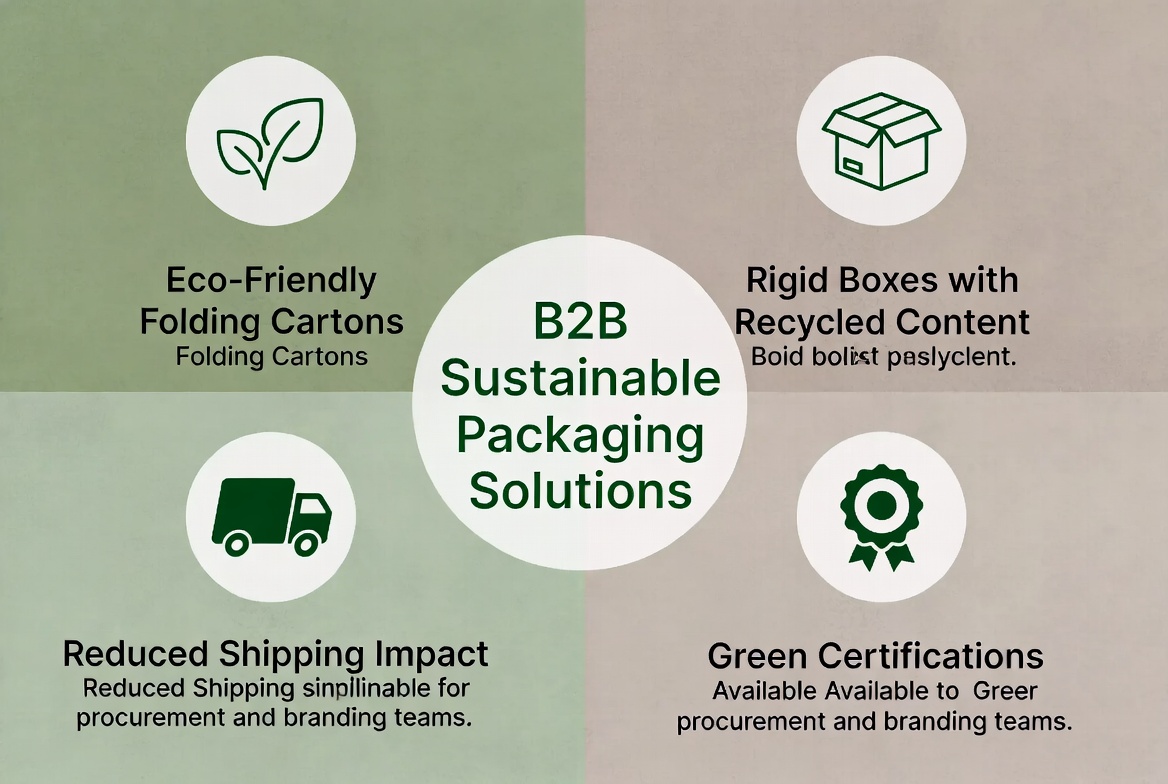
One of the common concerns we hear from brand managers is: "Will sustainable packaging downgrade our premium feel?" Our work with rigid gift boxes and folding cartons suggests the opposite. [packaginginsights]
- Texture and tactility: High-quality uncoated or lightly coated boards often feel more refined than glossy plastic. [ryleon]
- Structural elegance: Thoughtful folding mechanisms, magnetic closures, and precise tolerances communicate luxury without relying on heavy plastics. [dhl]
- Color and print: Modern paperboard stocks support rich, accurate color reproduction with lower impact inks. [ecoenclose]
From an expert standpoint, the real challenge is integration: ensuring your packaging team, sustainability leads, and marketing stakeholders collaborate around a shared definition of "premium, sustainable packaging" instead of treating these goals as opposing forces. [packaginginsights]
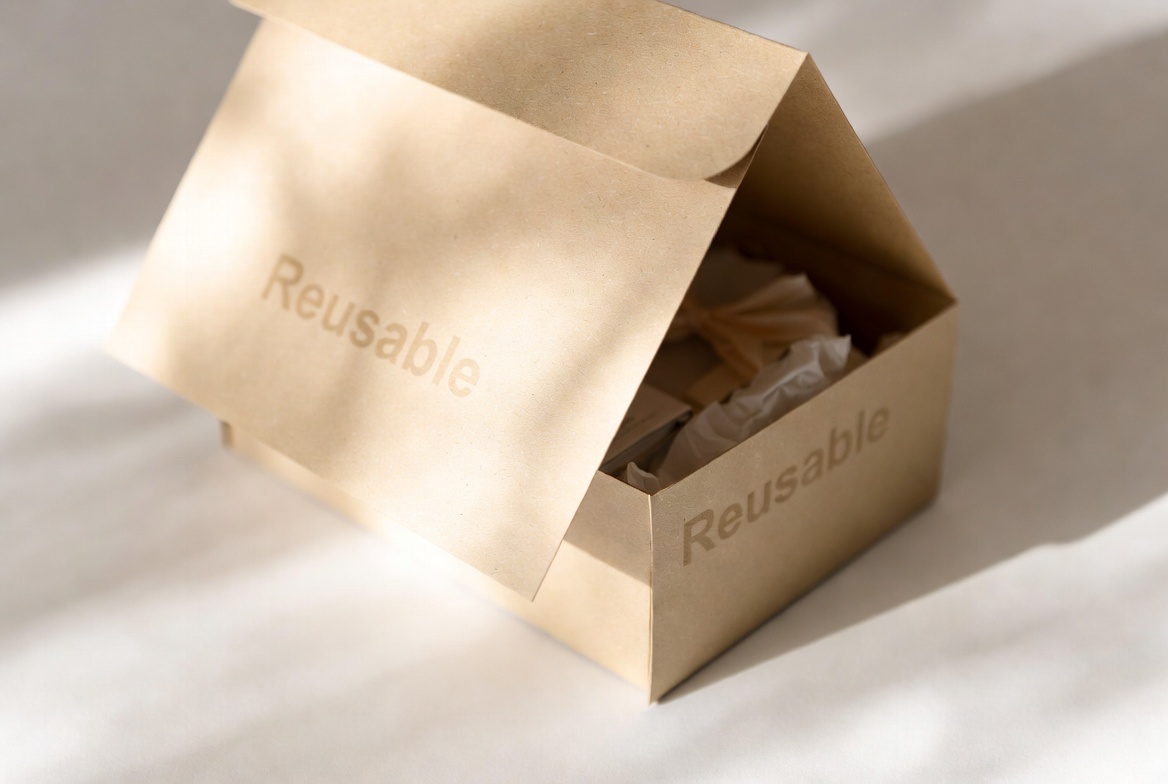
The comments on the original article reflect a pattern we see frequently: small business owners actively seeking sustainable solutions, and readers responding positively to practical, actionable guidance. This mirrors broader consumer behavior in 2026, where: [dhl]
- Customers expect clear evidence of sustainability progress, not generic claims. [ecoenclose]
- Trust grows when brands communicate environmental benefits in plain language, backed by visible packaging changes. [packaginginsights]
- Practical features—easy recycling, reusable gift boxes, reduced unnecessary fillers—often matter more than abstract metrics. [ryleon]
By designing folding gift boxes that are both visually compelling and materially responsible, brands can turn each shipment, each gift, and each unboxing into a quiet but powerful statement of their values.
If your brand is ready to move beyond generic eco claims and build a credible, user-friendly sustainable packaging strategy, start with your folding gift boxes. They sit at the intersection of product protection, brand storytelling, and environmental impact—and relatively small design changes can unlock significant gains in logistics efficiency, customer loyalty, and regulatory readiness. [sustainablepackaging]
Work with a manufacturer that understands both structural engineering and evolving sustainability standards, and treat each new box as a long-term asset in your brand's climate and customer-experience strategy. [ecoenclose]
Q1. What makes a folding gift box "sustainable" rather than just recyclable?
A folding gift box is considered sustainable when its materials are responsibly sourced, its design minimizes waste and transport emissions, and its end-of-life pathway is practical in real recycling or composting systems—not just theoretically possible. [sustainablepackaging]
Q2. Are rigid and folding gift boxes compatible with strict EPR and recycling regulations?
Mono-material fiber-based boxes typically align well with emerging EPR frameworks, especially when they avoid plastic windows, heavy laminates, and mixed substrates that complicate recycling. [finance.yahoo]
Q3. How can small brands justify the investment in sustainable gift boxes?
Smaller brands often experience gains in customer loyalty, brand differentiation, and reduced freight and material waste that offset the upfront design and material optimization costs over time. [packaginginsights]
Q4. What role do certifications like FSC play in packaging decisions?
Certifications provide third-party verification that fiber is sourced responsibly, helping brands communicate credibility and comply with retailer and regulatory requirements. [sustainablepackaging]
Q5. How can we educate customers on how to dispose of our packaging correctly?
Simple disposal icons, short on-pack messages, and QR codes linking to instructions or sustainability pages make it easy for customers to recognize, recycle, or reuse your packaging without friction. [packaginginsights]
1. Paper Mart – "Sustainable Packaging Solutions for Eco-Conscious Consumers" (original article content and definitions of sustainable packaging, environmental impact, 7 R's, benefits, and FAQs). https://blog.papermart.com/small-business/sustainable-packaging/
2. DHL – "Sustainable Packaging Trends: Insights You Must Know in 2026" (trends on lightweighting, smart packaging, circular systems, and bio-based materials). https://www.dhl.com/discover/en-global/logistics-advice/sustainability-and-green-logistics/sustainable-packaging-trends
3. Sustainable Packaging Coalition – "2026 Sustainable Packaging Trends Report" (insights on recyclability definitions, EPR, design harmonization, and data-driven recovery). https://sustainablepackaging.org/2026-sustainable-packaging-trends-report/
4. Finance / Industry Insight – "Packaging trends shaping 2026 and beyond" (analysis of circular materials, reusable systems, smart packaging, and regulatory pressures). https://finance.yahoo.com/news/packaging-trends-shaping-2026-beyond-092117125.html
5. Packaging Insights – "Brands rethink sustainability communication as packaging regulations evolve" (guidance on communicating environmental benefits effectively to consumers). https://www.packaginginsights.com/news/sustainable-packaging-trends-2026-trust.html
6. EcoEnclose – "Sustainable Packaging Trends for 2026" (practical perspectives on circularity, fiber-based packaging, and real-world recovery systems). https://www.ecoenclose.com/blog/sustainable-packaging-trends-for-2026


