
Views: 262 Author: Maituohong Packaging Publish Time: 2026-07-05 Origin: Site


Content Menu
● What Are Sustainable Storage Solutions?
● Why Sustainable Storage Matters in Modern Living
● From Packaging to Storage: The Hidden Power of Rigid Boxes
>> What Makes Rigid Boxes Different?
● Key Materials in Sustainable Storage (and How Rigid Boxes Fit In)
>> Bamboo, Wood, and Natural Fibers
>> Recycled Plastics (Used Strategically)
● Practical Sustainable Storage Ideas for Modern Homes
● How Brands Turn Rigid Boxes into Sustainable Storage Assets
>> Eco‑Luxury and Reuse by Design
>> Alignment with Sustainable Packaging Regulations
● 2026 Sustainable Packaging & Storage Trends You Should Know
>> Trend 1: Circular and Reusable Systems
>> Trend 2: Smart and Trackable Packaging
>> Trend 3: Minimalist, Brand‑Aligned Aesthetics
● A Practical 5‑Step Plan to Make Your Storage More Sustainable
>> Step 1: Audit What You Already Have
>> Step 2: Prioritize High‑Impact Areas
>> Step 3: Introduce Durable, Modular Rigid Boxes
>> Step 4: Design for Reuse and End‑of‑Life
>> Step 5: Educate Users and Track Progress
● How Maituohong Packaging Supports Sustainable Storage
>> Design Expertise Built on 18+ Years of Practice
>> OEM/ODM Collaboration for Brands
● User‑Centric Tips: Making Sustainable Storage Feel Premium
● Table: Comparing Common Sustainable Storage Options
● Call to Action: Turn Your Next Box into Lasting Storage
● Frequently Asked Questions (FAQ)
As a packaging manufacturer who has spent over 18 years designing and producing high‑end rigid boxes and custom paper packaging, I've seen first‑hand how the right storage choices can transform both your space and your environmental footprint. Sustainable storage is no longer just a trend; it's a practical strategy for modern living, smarter logistics, and more responsible brands. [sustainablepackaging]
Sustainable storage solutions are storage systems, containers, and packaging designed to reduce environmental impact across their entire lifecycle—from raw materials and manufacturing to use, reuse, and end‑of‑life. They prioritize renewable or recycled materials, durable design, and recyclability or compostability, so your organization habits support a lower‑waste lifestyle. [professionalorganiserco]
In practice, this can mean replacing plastic bins with rigid paperboard boxes, switching to bamboo or wood organizers, or choosing modular, stackable systems that adapt as your needs evolve instead of being replaced frequently. [sustainablepackaging]
Modern living spaces—especially urban apartments, small homes, and multipurpose rooms—are under pressure: more stuff, less space, and higher expectations for aesthetics and sustainability. At the same time, consumers are increasingly skeptical of wasteful packaging and "over‑boxing," with global surveys showing rising concern about packaging waste and a shift toward brands that demonstrate real sustainability. [dhl]
Choosing sustainable storage solutions matters because:
- It reduces waste and carbon footprint, especially when you choose recyclable paper‑based or bio‑based materials over virgin plastics. [ifco]
- It supports circular systems, where packaging and storage boxes are reused repeatedly before being recycled. [dhl]
- It elevates your brand and lifestyle, signaling that you care about both design and environmental responsibility. [packaginginsights]
As a manufacturer, we see more brands and households using premium rigid boxes not just as packaging, but as long‑life storage assets—a subtle but powerful shift in how storage is perceived. [gvpak]
One of the biggest missed opportunities in modern living and e‑commerce is that most packaging is designed for single use, even when the material could easily be reused. Rigid boxes—also known as set‑up boxes or rigid paperboard boxes—change that equation. [ifco]
Rigid boxes are made from high‑density paperboard, wrapped with printed or specialty paper, and often reinforced for durability. Unlike flimsy folding cartons, they hold their shape, resist crushing, and can be opened and closed repeatedly without losing structural integrity. [gvpak]
From an expert packaging perspective, this makes rigid boxes ideal for premium product packaging that becomes long‑term storage:
- They are strong and stackable, ideal for closets, shelves, or under‑bed organization.
- They are fully brandable, so they look like part of your interior design rather than generic plastic bins. [packaginginsights]
- They can be designed for disassembly and recycling, supporting a circular approach. [dhl]
As a manufacturer like Maituohong Packaging, we engineer rigid boxes with precise board thickness, corner strength, and surface finishes so they can be reused hundreds of times as storage without deforming or tearing. [sustainablepackaging]
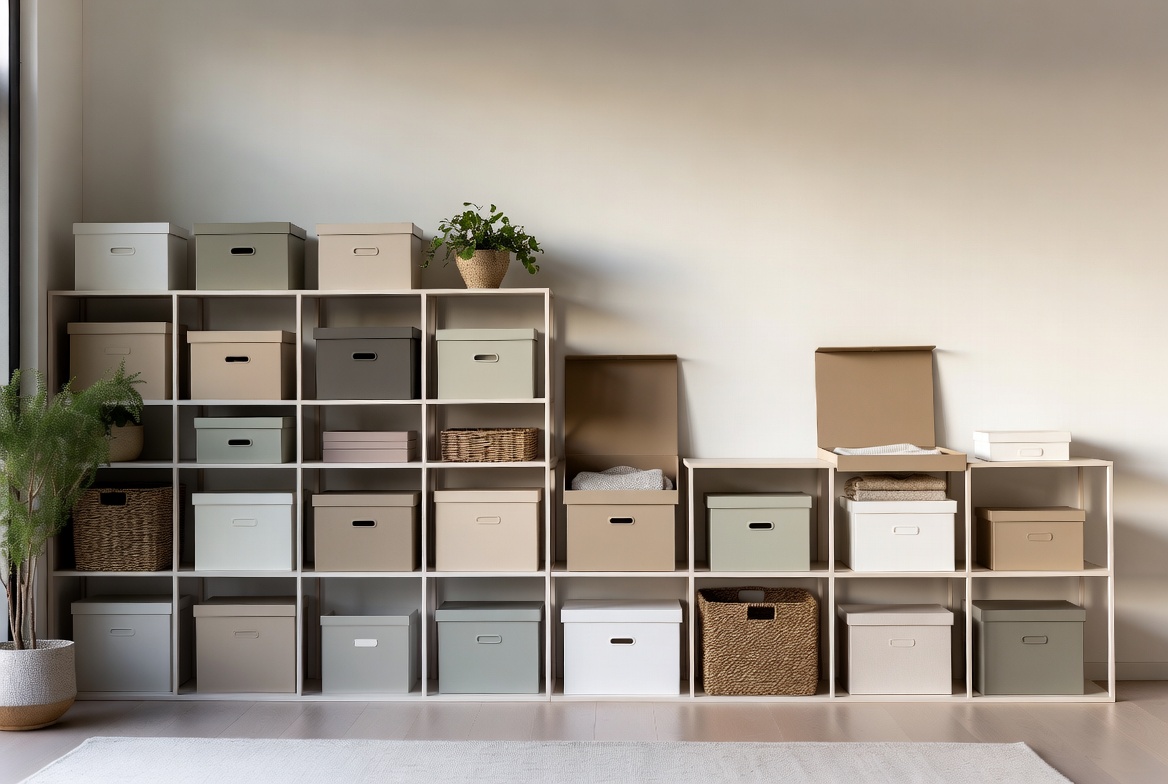
Different storage materials have different environmental trade‑offs. Understanding them helps you choose solutions that align with your sustainability goals.
Paperboard is one of the most established materials in sustainable packaging, especially when sourced from responsibly managed forests and made with high recycled content. Modern rigid boxes can incorporate: [packfora]
- Recycled greyboard or chipboard cores for structure.
- FSC‑certified papers for wraps and liners.
- Water‑based inks and coatings to improve recyclability.
Because paperboard is widely recycled and has mature recovery systems in many countries, rigid boxes fit naturally into existing recycling streams, especially when designed as mono‑material paper structures without unnecessary plastic inserts. [packfora]
Bamboo and sustainably sourced wood remain popular for home storage because they are renewable, durable, and visually warm, ideal for visible spaces like living rooms and kitchens. Woven baskets made from jute, seagrass, or rattan combine sustainability with a soft, natural aesthetic that complements rigid boxes in more structured areas like wardrobes. [homefulness.co]
Recycled plastics still have a place in storage—especially in humid environments, garages, or outdoor use where paper might not perform well. When you choose storage made from post‑consumer recycled plastic, you help divert waste from landfill while avoiding new fossil‑based plastic production. However, for indoor wardrobes, offices, and gifting, premium rigid boxes provide a lower‑impact, more aesthetically pleasing alternative. [professionalorganiserco]
From an organizer's standpoint, sustainable storage is both a design decision and a behavioral nudge. Well‑designed systems make it easier to keep items in their place, extend product life, and avoid impulse purchases of "more storage" you don't actually need. [homefulness.co]
You can start with a few high‑impact swaps:
- Replace plastic bins with stackable rigid paperboard boxes for clothing, documents, and accessories.
- Reuse gift rigid boxes as dedicated storage for seasonal items or keepsakes.
- Use bamboo dividers and organizers inside drawers, paired with rigid boxes on shelves. [professionalorganiserco]
- Label each box clearly so items are easy to find and put away, reducing clutter relapse.
By approaching storage as a mix of modular rigid boxes + natural fiber baskets + minimal recycled plastic, you create a resilient system that looks cohesive and remains flexible as your needs change. [homefulness.co]
From the B2B side, sustainable storage isn't only about home organization; it's also a strategic decision for brands, retailers, and e‑commerce businesses.
Global packaging trends show a clear move toward "eco‑luxury"—packs that feel premium but use recyclable, lower‑impact materials. High‑end brands increasingly use rigid boxes as part of the product experience and an intentional storage solution: [gvpak]
- A cosmetics brand may design a rigid box that doubles as a vanity organizer.
- A fashion label may offer shoe or accessory boxes intended for long‑term wardrobe storage.
- A premium electronics brand can provide cable and accessory compartments inside a rigid box that the customer keeps on their desk. [dhl]
By signaling reuse in the design and messaging, brands encourage customers to keep and repurpose the box, extending its life and reducing overall packaging waste. [packaginginsights]
As more countries enforce minimum recycled content, extended producer responsibility (EPR), and single‑use plastic restrictions, paper‑based packaging and storage are becoming a compliance advantage. Rigid boxes made from high recycled content paperboard, labeled clearly for recycling, help brands: [packfora]
- Reduce reliance on plastic void fill and trays.
- Simplify material streams (mono‑material designs are easier to recycle). [packfora]
- Demonstrate measurable progress toward sustainability targets communicated in CSR or ESG reports. [ifco]
From an operational perspective, rigid boxes can be optimized for lightweighting—reducing material while maintaining performance—thus cutting shipping emissions and costs. [dhl]
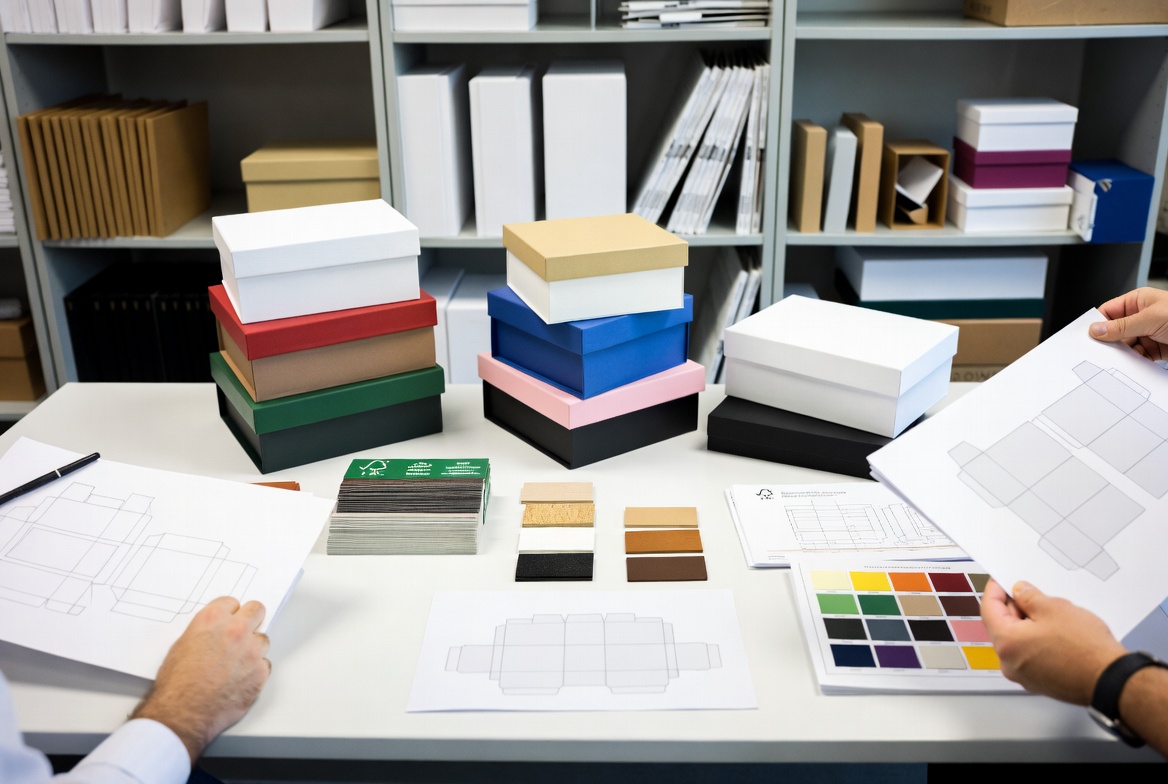
Recent industry reports highlight several macro‑trends that directly influence how we design and use storage solutions, especially rigid boxes. [ifco]
Circular packaging—designed to be reused, refilled, or returned—is moving from niche to mainstream. Rigid paperboard boxes are particularly well‑suited to: [ifco]
- Subscription models where a durable box is used multiple times.
- Deposit‑return systems for high‑value items or luxury rentals.
- Retail concepts where customers return boxes for refurbishing or recycling. [dhl]
As a manufacturer, we can engineer closures, handles, and reinforcements specifically for these repeated‑use cycles, turning boxes into part of a long‑life asset rather than a single‑shipment expense. [gvpak]
Smart packaging using QR codes, NFC tags, or printed URLs is increasingly used to guide consumers on how to reuse or recycle packaging responsibly. For rigid boxes, this might include: [packaginginsights]
- A QR code inside the lid that links to reuse ideas (home storage, office organization).
- Digital instructions for disassembling or recycling the box components.
- Brand storytelling about the box's recycled content and supply‑chain footprint. [packaginginsights]
This layer of digital guidance not only supports compliance with evolving regulations but also educates users on sustainable behavior in their own homes. [packfora]
Consumers are paying close attention to how packaging looks and feels, not just what it's made of. The most effective sustainable storage solutions now combine: [gvpak]
- Clean, minimalist graphics that reduce ink usage.
- Neutral tones that blend into home interiors, encouraging long‑term reuse.
- Tactile finishes like uncoated papers or subtle embossing instead of plastic laminates. [gvpak]
From our perspective as a rigid box manufacturer, this trend allows us to enhance perceived value while keeping material choices simple and recyclable, which is ideal for both sustainability and brand coherence. [packaginginsights]
Whether you're a homeowner, a small business, or a brand team, you can follow a structured approach to transition toward sustainable storage.
List the storage containers and packaging currently in use—plastic bins, cardboard boxes, gift boxes, branded packaging—and categorize them by material and condition. This helps you identify: [professionalorganiserco]
- Items ripe for reuse (e.g., sturdy rigid boxes).
- Containers that are over‑engineered or underused.
- Single‑use packaging that can be phased out.
Focus first on spaces where waste and clutter build up fastest, such as wardrobes, home offices, storerooms, and e‑commerce packaging operations. These are the places where switching to reusable, stackable rigid boxes or paper‑based systems yields the biggest efficiency and sustainability gains. [sustainablepackaging]
Replace mismatched containers with modular rigid boxes in a few standard sizes. From our production experience, standardization:
- Improves stacking stability, reducing damage risk.
- Makes labeling and retrieval easier.
- Lowers total material usage versus random, ad‑hoc boxes. [sustainablepackaging]
If you're a brand, work with your packaging supplier to ensure that:
- Boxes clearly signal reuse (e.g., "Reuse this box as storage at home").
- Materials and finishes keep recyclability in mind (water‑based coatings, no unnecessary foils). [packfora]
- Structural design avoids mixed materials that complicate recycling. [packfora]
If you're a consumer, treat premium rigid boxes as part of your storage system, not disposable packaging.
Use on‑box messaging, internal leaflets, or digital content (QR codes) to explain how to store, reuse, and recycle your boxes. Internally, track simple metrics: [dhl]
- Percentage of orders shipped in reusable rigid boxes.
- Average number of reuse cycles before recycling.
- Reduction in plastic storage or packaging purchased annually. [ifco]
This turns your sustainability goals into measurable actions rather than slogans.
As a manufacturer focused on rigid boxes and custom paper packaging, our role goes beyond simply supplying products—we act as a design partner for sustainable storage strategies.
Drawing on nearly two decades of experience in rigid board gift boxes and paper packaging, we help brands:
- Select board grades and paper types that balance strength, aesthetics, and sustainability.
- Integrate eco‑friendly finishes (such as water‑based varnish, soy‑based inks) in place of plastic laminations. [sustainablepackaging]
- Optimize box structures for stackability and long‑term reuse in consumers' homes or offices.
This long‑term production experience means that when we call a box "reusable," it's backed by rigorous material testing, load‑bearing design, and supply‑chain know‑how, not just marketing language. [gvpak]
For brands and retailers, we offer OEM and ODM services that align with the latest sustainable packaging trends identified by global logistics and packaging organizations. That includes: [ifco]
- Custom eco‑luxury rigid boxes that double as storage systems.
- Packaging tailored for e‑commerce, optimized for lightweighting and protection. [dhl]
- Design support to ensure compliance with regional packaging regulations and recycling requirements. [packaginginsights]
In short, we help you turn packaging from a cost center into a reusable asset that supports both your customer experience and your sustainability KPIs.
From a user experience perspective, storage only works if people actually enjoy using it. Here are some practical UX‑driven tips:
- Choose coordinated color palettes for rigid boxes so they visually calm your shelves.
- Add clear, large labels or icons to reduce friction when putting items away.
- Reserve the most visually appealing boxes for visible areas (open shelves, living rooms) to encourage continuous use.
- Use different box heights to create visual hierarchy—taller boxes for documents, shallower ones for accessories or cosmetics.
Well‑designed rigid boxes function like furniture for your belongings, delivering both emotional satisfaction and practical order.
| Storage Option | Main Material | Best Use Cases | Sustainability Highlights |
|---|---|---|---|
| Premium rigid boxes | Recycled paperboard | Wardrobes, offices, gifting, long‑term storage | High recyclability, reusable, supports circular use |
| Bamboo/wood organizers | Renewable wood/bamboo | Kitchens, drawers, open shelves | Renewable, durable, biodegradable |
| Woven natural fiber baskets | Jute, seagrass, rattan | Living rooms, blankets, magazines | Biodegradable, low‑impact aesthetic |
| Recycled plastic bins | Post‑consumer plastic | Garages, basements, outdoor areas | Uses waste plastic, durable in humid conditions |
| Up‑cycled boxes and crates | Mixed reclaimed materials | DIY shelving, custom storage | Extends material life, low new resource demand |
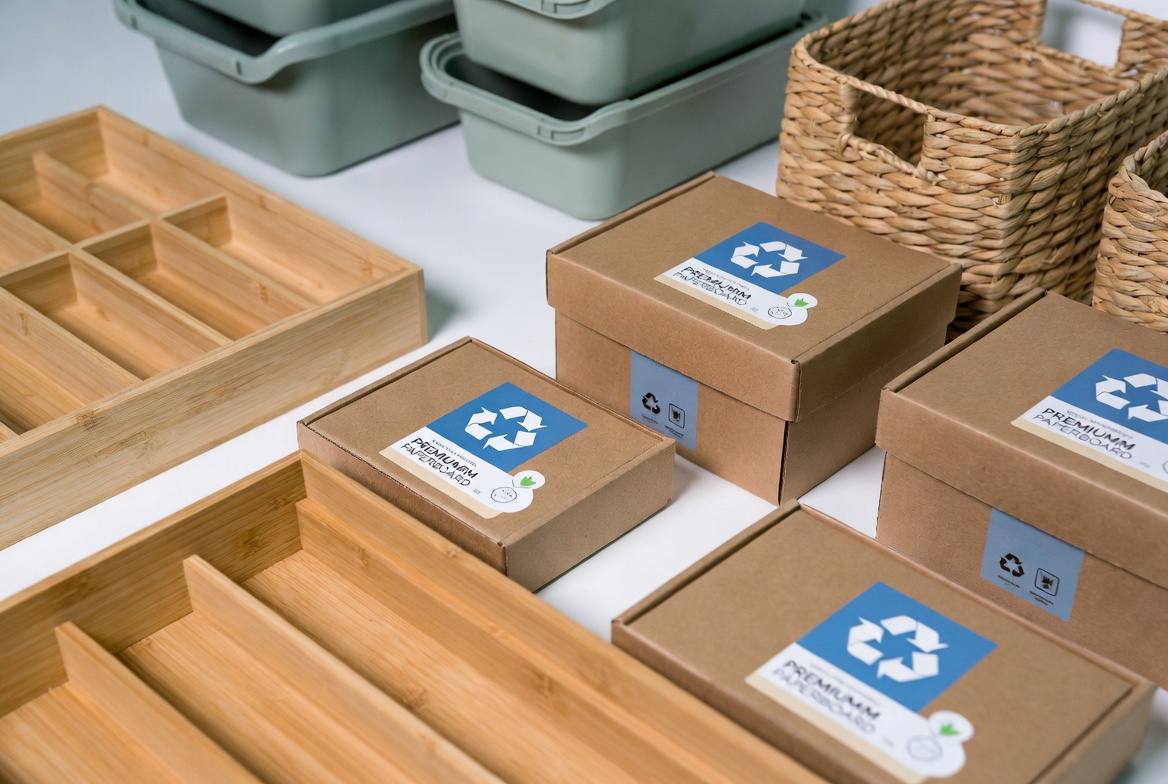
Every new storage decision is a chance to reduce waste, simplify your life, and elevate your brand or home. Instead of treating packaging as something to discard, treat it as the starting point of your storage system.
If you're a brand or retailer, consider partnering with a specialized rigid box manufacturer like us to design bespoke, eco‑friendly rigid boxes that your customers will proudly keep and reuse. If you're a home user or small business, start by upgrading one area—your wardrobe, your office, or your product packaging—to durable, recyclable rigid boxes and feel the difference in both organization and peace of mind.
1. Are rigid boxes really more sustainable than plastic storage bins?
Rigid boxes made from recycled and responsibly sourced paperboard can offer a lower environmental footprint than virgin plastic storage, especially when they are reused multiple times and then recycled through existing paper streams. Plastic bins can still be useful in specific environments, but for indoor, dry storage, paper‑based options typically align better with circular packaging goals. [sustainablepackaging]
2. How many times can a rigid box be reused for storage?
With proper design and materials, rigid boxes can withstand dozens or even hundreds of use cycles, particularly for light to medium‑weight contents such as clothing, documents, or cosmetics. In our manufacturing practice, we test corner strength, stacking performance, and lid durability to ensure long life under normal household or retail conditions. [sustainablepackaging]
3. Can premium finishes on rigid boxes still be eco‑friendly?
Yes, many premium effects—such as textured papers, embossing, and high‑quality printing—can be achieved with recyclable, plastic‑free materials and water‑based inks. The key is to avoid heavy plastic laminations and non‑separable mixed materials that complicate recycling. [packfora]
4. How do rigid boxes support regulatory compliance in packaging?
Rigid paperboard boxes help brands meet emerging regulations by providing high recycled content, eliminating single‑use plastics, and simplifying recycling pathways. They also facilitate clear labeling and communication about material composition and disposal, which regulators increasingly expect. [ifco]
5. What should brands look for in a rigid box manufacturing partner?
Look for manufacturers with longstanding experience in rigid box design, clear sourcing of recycled and certified papers, and the ability to optimize for both aesthetics and sustainability performance. Ideally, they should also understand global sustainability trends and regulations, supporting you in aligning packaging with both marketing and compliance requirements. [gvpak]
1. Sustainable Storage Solutions for Modern Living – Paper Mart Blog. <https://blog.papermart.com/small-business/sustainable-storage-solutions-for-modern-living/> [sustainablepackaging]
2. Sustainable Packaging Trends: Insights You Must Know in 2026 – DHL. <https://www.dhl.com/discover/en-global/logistics-advice/sustainability-and-green-logistics/sustainable-packaging-trends> [dhl]
3. The Top 6 Sustainable Packaging Trends in 2026 – IFCO. <https://www.ifco.com/blog/packaging-trends-2026/> [ifco]
4. Eco Friendly Packaging Trends in 2026 – Cxgiae. <https://cxgiae.com/blog/eco-friendly-packaging-trends-in-2026/> [cxgiae]
5. Sustainable Packaging Trends in 2026: What Brands Need to Know – Packfora. <https://packfora.com/sustainable-packaging-trends-2026> [packfora]
6. Eco Packaging Trends 2026: 10 Sustainable Innovations + Design – GVPAK. <https://www.gvpak.com/blogs/eco-packaging-trends-2026-top-10-eco-packaging-ideas-graphic-design-trends> [gvpak]
7. Brands Rethink Sustainability Communication as Packaging Rules Tighten – PackagingInsights. <https://www.packaginginsights.com/news/sustainable-packaging-trends-2026-trust.html> [packaginginsights]
8. 10 Sustainable Storage Solutions for an Organised Home – Professional Organiser Co. <https://www.professionalorganiserco.com/blog/10-sustainable-storage-solutions-for-an-organised-home> [professionalorganiserco]
9. Eco‑Friendly Storage: Sustainable Ways to Organise Your Home – Homefulness. <https://www.homefulness.co.uk/blog/eco-friendly-storage-solutions> [homefulness.co]


