
Views: 242 Author: Maituohong Packaging Publish Time: 2026-06-30 Origin: Site


Content Menu
● Understanding Rigid Boxes and Folding Cartons
● Sustainability: Material and Design Considerations
● Lifecycle and Environmental Impact
● Sustainability Features: Rigid vs Folding
● Cost Structure and Total Cost of Ownership
● Typical Cost Ranges and Drivers
● Cost and Sustainability Trade‑off Table
● When Rigid Boxes Make More Sense
● When Folding Cartons Are the Smarter Choice
● Expert Case Insight: Premium Gift vs Mass Retail
● Practical Decision Framework for Buyers
● How Maituohong Packaging Adds Value
● Actionable Steps for Packaging Buyers
● Call to Action: Co‑Design Your Next Packaging Solution
● FAQs
Rigid boxes and folding cartons each have clear strengths for sustainability and cost, and the best choice depends on your product's value, logistics model, and brand positioning rather than a one‑size‑fits‑all rule. [rtadv]
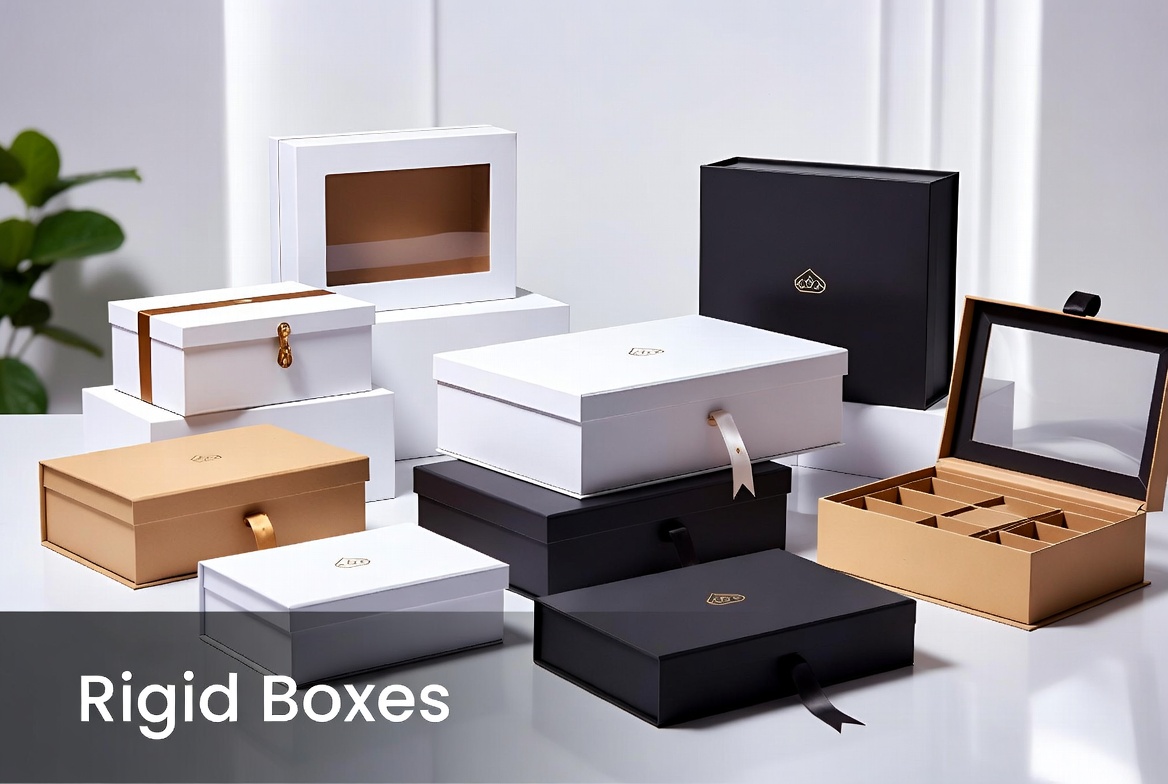
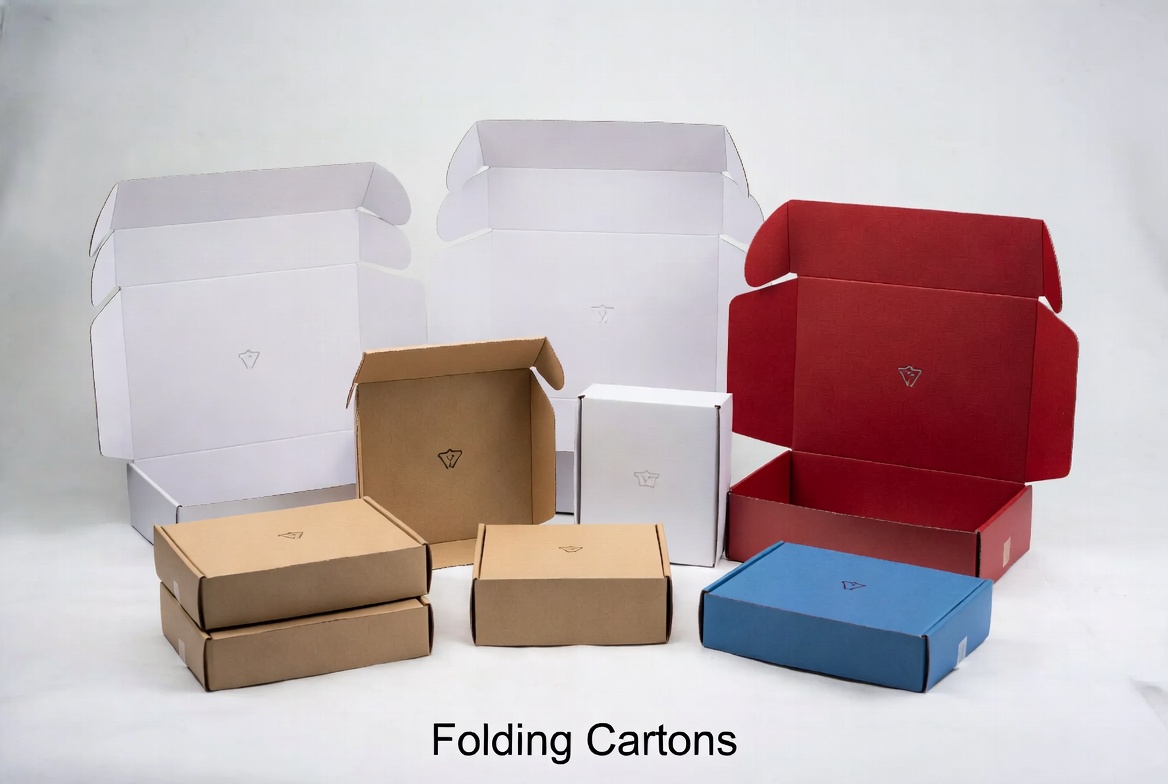
Rigid boxes (also known as set‑up boxes) use thick greyboard or chipboard that is pre‑assembled and keeps its shape permanently, delivering a heavy, premium hand‑feel and strong structural protection. Folding cartons are typically made from lighter paperboard that ships flat and is erected during packing, making them highly efficient for volume production and distribution. [zenpack]
From a brand perspective, rigid boxes are common in luxury gifts, cosmetics, high‑end electronics and premium confectionery, where unboxing and perceived value drive purchase decisions. Folding cartons dominate fast‑moving consumer goods, pharmaceuticals, and everyday retail packaging where shelf efficiency and unit cost matter more than "wow" factor. [yucai-box]

Both rigid boxes and folding cartons can be produced using recycled paperboard and FSC‑certified fibers, but their material thickness and construction create different sustainability profiles. Rigid boxes typically use 1.5–3 mm board laminated with printed paper or specialty papers, which increases material usage per unit compared to a carton of the same footprint. [zhibangpackaging]
Folding cartons, by contrast, usually rely on 250–500 g/m² paperboard, which uses less fiber per package and is easier to compact in the recycling stream. However, when rigid boxes are designed for secondary use (storage boxes, keepsake boxes, reusable gift boxes), their longer life cycle can offset higher initial material consumption. [mugepackaging]
From a basic lifecycle perspective, sustainability depends on total material, transport, use and end‑of‑life rather than just the box type. Folding cartons have an inherent advantage in transport efficiency: they ship flat, reducing freight volume and associated emissions across long supply chains. [rtadv]
Rigid boxes, especially non‑collapsible formats, occupy more volume in storage and transit, which can increase the carbon footprint for brands shipping large quantities globally. On the other hand, rigid packaging supports reuse, premium positioning and durable storage, reducing the need for additional containers such as separate gift boxes or storage bins. [zenpack]
To make this comparison concrete, the table below highlights key sustainability aspects for both structures. [zhibangpackaging]
| Aspect | Rigid Boxes (Traditional) | Folding Cartons |
|---|---|---|
| Material usage | Higher board thickness per unit (zenpack) | Lower basis weight, less fiber overall (rtadv) |
| Shipping volume | Pre‑assembled, 3–5× more volume (rtadv) | Ships flat, highly space‑efficient (rtadv) |
| Reuse potential | High as storage/gift boxes (zenpack) | Low–moderate; usually single‑use (rtadv) |
| Recyclability | Good if mono‑material, no plastic (yucai-box) | Generally high, widely recycled (rtadv) |
| Carbon footprint drivers | Transport and material weight (rtadv) | Board sourcing and coating choices (rtadv) |
As a paper packaging manufacturer, you can tilt this balance by specifying recycled boards, water‑based inks and minimal lamination for both structures, and by educating customers on designing for disassembly and recycling. [yucai-box]
From a procurement perspective, brands rarely look only at unit price; they evaluate total cost of ownership (TCO) across tooling, production, storage, transport and returns. Folding cartons typically offer lower unit cost for the same footprint, especially at medium to high volumes, because they use less material and run faster on automated gluing and packing lines. [mugepackaging]
Rigid boxes involve more hand assembly or specialized rigid‑box lines, resulting in higher labor and process costs per unit. However, rigid packaging can justify its higher cost when it measurably boosts retail price, margin or conversion rate—for example, in gift and luxury categories where unboxing experience and perceived value strongly influence buyer decisions. [zenpack]
Industry benchmarks show that for a similar 4×4×2 inch format, rigid boxes can cost several times more per unit than folding cartons at equivalent quantities, mainly due to heavier board and manual assembly. Tooling and setup for rigid boxes also tend to be higher because of more complex grooving, wrapping and magnet or ribbon components in gift packaging. [zhibangpackaging]
Key cost drivers include:
- Board thickness and grade (virgin vs recycled, specialty colors). [yucai-box]
- Surface finishing such as foil, embossing, soft‑touch film, spot UV and laminates. [yucai-box]
- Structural complexity, including magnetic closures, inserts and windows. [mugepackaging]
- Assembly method (manual, semi‑automatic, automatic) and origin of production. [zenpack]
For folding cartons, major drivers are board grade, print complexity, special coatings and the efficiency of packing lines, but the baseline remains lower than rigid boxes for most standard retail formats. [rtadv]
The following table summarizes how cost and sustainability interact for each format at a high level. [rtadv]
| Factor | Rigid Boxes | Folding Cartons |
|---|---|---|
| Unit cost | Higher per unit (zhibangpackaging) | Lower per unit (rtadv) |
| Tooling/setup | Higher for complex rigid sets (zenpack) | Lower, standard die‑cutters (rtadv) |
| Shipping/storage cost | Higher due to bulk (rtadv) | Lower, flat‑packed (rtadv) |
| Sustainability perception | Premium but heavier footprint (zenpack) | "Lightweight and efficient" image (rtadv) |
| ROI potential | Strong in premium categories (yucai-box) | Strong in volume FMCG and e‑commerce (rtadv) |
As a manufacturer, your role is to help buyers see that the cheapest box is not always the lowest total cost, especially if it depresses perceived value or causes damage in transit. [zhibangpackaging]
Based on current industry practice, rigid boxes tend to be the better investment when packaging is part of the product experience and value perception. Examples include holiday gift sets, limited editions, luxury haircare or skincare kits, premium tea, and high‑end electronics accessories. [mugepackaging]
In these cases, rigid boxes can:
- Support higher retail pricing and margin by signaling quality. [yucai-box]
- Reduce returns caused by damage or perceived cheapness of packaging. [zenpack]
- Encourage reuse, turning the box into a branded keepsake that keeps your logo in the customer's home or office. [zenpack]
For such projects, it is important to design rigid boxes with right‑sizing, minimal plastic and recyclable structures, so that sustainability credentials are not sacrificed for aesthetics. [zhibangpackaging]
Folding cartons excel in categories where cost per unit, logistics efficiency and shelf utilization outrank packaging drama. This includes pharmaceuticals, personal care refills, mid‑range cosmetics, food and beverage cartons, and many e‑commerce shipping inserts. [rtadv]
They are particularly suitable when:
- Products are price‑sensitive and sold in high volumes. [rtadv]
- Shelf space is tight and retailers demand efficient stacking. [zhibangpackaging]
- The brand prioritizes a lightweight, minimal‑impact image in its sustainability communications. [rtadv]
In these cases, a well‑engineered folding carton with the right coatings and inserts can still deliver strong shelf presence while keeping both environmental and financial costs under control. [mugepackaging]
Consider a cosmetics brand launching two lines: a seasonal premium gift set and a standard everyday SKU sold year‑round in pharmacies. For the gift set, a rigid box with custom inserts, magnetic closure and specialty paper justifies its higher cost because it supports a higher retail price, improves gifting appeal and keeps the set together over time. [yucai-box]
For the everyday SKU, a folding carton with high‑quality printing is more appropriate, since consumers focus on formula and price rather than packaging weight, and retailers value compact shelf and shipping efficiency. The same manufacturer can supply both formats, optimizing board choices, print methods and finishing to ensure that each line hits its sustainability and cost targets. [mugepackaging]
To help your B2B customers choose between rigid boxes and folding cartons, you can guide them through a simple decision framework grounded in ROI and sustainability. [zhibangpackaging]
1. Define the primary goal: premium perception, protection, cost, or sustainability lead. [yucai-box]
2. Map the supply chain: shipping distances, storage constraints, and packing line capabilities. [mugepackaging]
3. Assess product value and positioning: high‑margin, low‑volume vs low‑margin, high‑volume. [yucai-box]
4. Estimate lifetime: Is the package meant to be kept or discarded after opening? [zenpack]
5. Align with brand sustainability KPIs: recycled content, recyclability, and carbon reduction goals. [zhibangpackaging]
By walking clients through this process, your sales and engineering teams can position Maituohong's rigid and folding gift box solutions as strategic tools rather than just cost items. [mthpackagingbox]
With more than 18 years of experience in high‑quality rigid gift boxes and custom paper packaging, a manufacturer like Maituohong can advise brands on both structural engineering and print finishing tuned to their category. This expertise covers rigid set‑up boxes, collapsible magnetic boxes, and folding gift cartons, enabling a full spectrum of solutions under one roof. [hktdc]
From a sustainability perspective, such manufacturers can offer material optimization, advising when to down‑gauge board thickness, switch to recycled fibers, or redesign inserts to reduce plastic without compromising protection. On the cost side, they can propose hybrid solutions—such as foldable rigid boxes that ship flat but provide a rigid unboxing experience—to balance logistics costs and brand impact. [mthpackagingbox]
If you are evaluating rigid boxes vs folding cartons for your next project, you can follow these concrete steps to reach a balanced decision. [rtadv]
- Benchmark both formats: Request quotes for rigid and folding structures using the same dimensions and print spec, then compare not only unit price but also estimated shipping volume and warehouse space. [mugepackaging]
- Run a sustainability check: Ask your supplier for board certificates, recycled content data and recyclability guidance for each proposed structure. [yucai-box]
- Prototype and test: Use short‑run samples to test stacking, shelf presence, drop resistance and consumer feedback before locking in a format. [rtadv]
- Align with marketing and sustainability teams: Ensure packaging decisions support your brand's storytelling on both luxury and environmental responsibility. [zhibangpackaging]
By treating packaging format as a strategic decision, brands can unlock higher ROI while staying aligned with tightening sustainability expectations from regulators and consumers. [mugepackaging]
If you are planning a new gift box, limited edition, or high‑volume retail carton, now is the time to review your packaging mix through both sustainability and cost lenses. Partnering with an experienced manufacturer like Maituohong Packaging allows you to prototype rigid boxes, folding cartons and hybrid solutions side by side, then select the format that delivers the best balance of brand impact, environmental performance and total cost. [hktdc]
Reach out with your product specifications, target markets and sustainability goals so that the engineering team can provide tailored structural proposals, material recommendations and cost scenarios—helping you turn packaging from a cost center into a competitive advantage. [mthpackagingbox]
1. Are rigid boxes always worse for the environment than folding cartons?
Not necessarily; while rigid boxes use more material and space, they can be designed for reuse and long life, which changes their lifecycle impact compared to single‑use folding cartons. [zenpack]
2. Can rigid boxes be made fully recyclable?
Yes, by using paper‑based boards and wraps, avoiding plastic windows and laminations where possible, and selecting recyclable adhesives, rigid boxes can be compatible with standard paper recycling streams. [yucai-box]
3. How do collapsible rigid boxes compare in cost and sustainability?
Collapsible rigid boxes reduce shipping volume while preserving a premium unboxing experience, sitting between traditional rigid boxes and folding cartons in both cost and environmental footprint. [hktdc]
4. What minimum order quantities are typical for rigid boxes vs folding cartons?
Rigid boxes often have higher practical MOQs due to setup and assembly costs, while folding cartons can be viable at smaller runs on digital or short‑run offset lines, depending on the supplier. [rtadv]
5. Which format is better for e‑commerce brands?
For most e‑commerce products, folding cartons or collapsible rigid boxes provide a good balance of protection, branding, and shipping efficiency, but high‑end gift sets may still justify traditional rigid boxes. [zhibangpackaging]
1. Maituohong Packaging – Folding carton information. Available at: https://www.mthpackagingbox.com/folding-carton-FAQ829734.html
2. HKTDC – Custom foldable magnetic rigid box listing. Available at: https://www.hktdc.com/event/hkgiftspremiumfair/tc/product/1Z03PBOQ6
3. Zenpack – Custom rigid box packaging guide. Available at: https://zenpack.tw/blog/custom-rigid-box-packaging/
4. RTADV – Rigid box vs folding carton comparison. Available at: https://www.rtadv.net/blog/rigid-box-vs-folding-carton
5. Yucai Box – Rigid boxes guide to luxury packaging. Available at: https://www.yucai-box.com/zh/news/rigid-boxes-a-complete-guide-to-luxury-packaging/
6. Zhibang Packaging – Rigid boxes vs folding cartons comparison. Available at: https://www.zhibangpackaging.com/new/rigid-boxes-vs-folding-cartons-a-complete-comparison.html
7. Muge Packaging – Rigid box vs folding carton ROI analysis. Available at: https://mugepackaging.com/blog/rigid-box-vs-folding-carton-which-packaging-format-delivers-better-roi


