
Views: 211 Author: Maituohong Packaging Publish Time: 2026-07-28 Origin: Site


Content Menu
● What Each Box Is Designed to Do
● Core Differences at a Glance
● Material and Structure Differences
● Brand Experience and Unboxing
● Shipping Protection and Cost Logic
● Sustainability and Recycling Considerations
● FAQ
>> 1. Are rigid boxes stronger than corrugated boxes?
>> 2. Are corrugated boxes cheaper than rigid boxes?
>> 3. Which box is better for luxury products?
>> 4. Which box is better for e-commerce shipping?
>> 5. Can both box types be recyclable?
>> 6. Can a brand use both box types together?
Rigid boxes and corrugated boxes are built for different jobs. Rigid boxes are made to elevate presentation, while corrugated boxes are made to protect products during shipping and storage.
As a packaging manufacturer with 18+ years of experience, Maituohong Packaging knows this is not just a material choice. It is a business decision that affects brand perception, logistics efficiency, product safety, and customer experience.

Rigid boxes are thick, non-collapsible boxes made from dense paperboard or chipboard, often wrapped with printed or specialty paper for a premium finish. They are commonly used for luxury goods, gifts, and high-value retail packaging.
Corrugated boxes use a fluted inner layer between linerboards, creating a lightweight but strong structure that performs well in transit, stacking, and storage. They are widely used for shipping and bulk handling because strength and protection matter more than shelf presentation.
| Aspect | Rigid Boxes | Corrugated Boxes |
|---|---|---|
| Main purpose | Premium presentation and branding | Shipping, protection, and storage |
| Structure | Dense, non-folding construction | Fluted, layered construction |
| Appearance | Luxury, refined, gift-ready | Functional, practical, transport-focused |
| Strength style | Strong for display and product protection in retail use | Strong for impact resistance and shipping performance |
| Typical use | Cosmetics, jewelry, electronics, premium gifts | E-commerce, industrial goods, bulk shipments |
The easiest way to remember it is this: rigid boxes sell the experience, corrugated boxes survive the journey.
Rigid boxes usually use thick chipboard or paperboard, then add wrapped outer paper to improve the visual finish and tactile feel. Their fixed shape gives them a solid, high-end presence that customers often associate with quality.
Corrugated boxes are built from a fluted medium sandwiched between liners. That fluted structure creates cushioning and compression strength, which is why corrugated packaging is preferred for transport and warehouse handling.
From a manufacturing perspective, rigid boxes are generally more presentation-driven, while corrugated boxes are production- and logistics-driven. That difference affects everything from material selection to unit cost and assembly workflow.
Rigid boxes create a stronger emotional response at first touch. Their weight, clean edges, and premium surface help products feel more valuable before the customer even sees the item inside.
That matters for gift packaging, luxury retail, and any category where unboxing is part of the product story. If the box is meant to be kept, reused, or gifted, rigid packaging usually creates more brand memory.
Corrugated boxes can still be branded, but they are usually not chosen for premium shelf appeal. Their job is to deliver the product safely and efficiently, especially when the package will be opened quickly and discarded or recycled afterward.
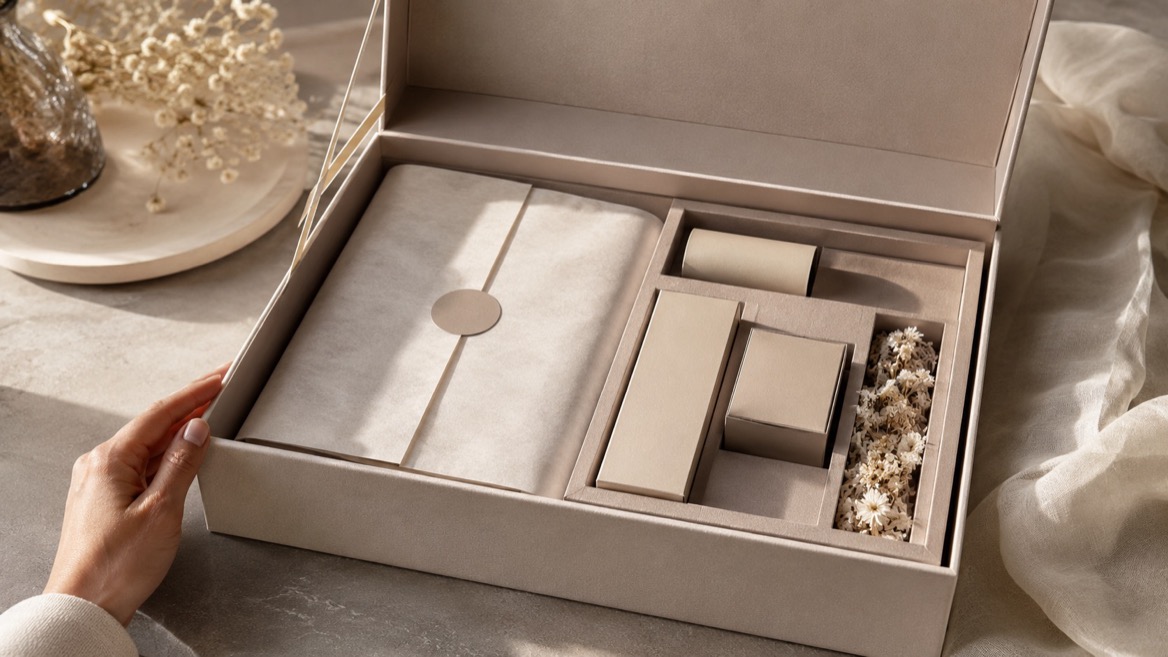
Corrugated boxes are the practical choice for transport because they absorb shock well and handle stacking better in many shipping scenarios. For long-distance logistics, e-commerce fulfillment, and warehouse movement, this performance is often more important than appearance.
Rigid boxes can protect products too, but they are usually not the most efficient choice for rough transit or high-volume shipping. Their value is strongest when the packaging stays with the product as part of the brand experience.
In simple terms, corrugated packaging is usually the better fit when the packaging must work hard in motion, while rigid packaging is better when the packaging must work hard in the customer's hands.
Paper and cardboard are widely recyclable in many communities, and the U.S. EPA notes that cardboard boxes are commonly accepted in recycling programs if they are clean and flattened.
Sustainability is now closely tied to design choices that reduce waste and support reuse, recycling, and circular material use. The Ellen MacArthur Foundation emphasizes redesigning packaging so materials stay in use at their highest value for longer.
For brands, this means the better choice is not only about what looks premium. It is also about choosing the right structure so you avoid unnecessary material use, reduce damage, and improve end-of-life recovery.
1. Choose a rigid box if the product is premium, giftable, or display-focused.
2. Choose a corrugated box if the product is shipped frequently, stacked in storage, or exposed to transit risks.
3. Choose a rigid box if unboxing and brand impression are part of the sales strategy.
4. Choose a corrugated box if logistics cost, cushioning, and operational efficiency matter most.
5. Use a hybrid packaging plan if you need both presentation and protection, such as a rigid outer box with a corrugated shipper.
This step is where many brands make the wrong decision. They either overspend on presentation for a shipment-first product, or underinvest in presentation for a premium item that should feel special.
A luxury skincare brand may choose a rigid box because the packaging supports perceived value, visual storytelling, and repeat gifting. The box becomes part of the product identity rather than just a container.
A cross-border e-commerce seller of accessories or industrial parts may choose corrugated boxes because product safety and shipping efficiency matter most. In that case, packaging must reduce damage and support scalable fulfillment.
At Maituohong Packaging, we often advise clients to evaluate packaging in two layers: the consumer-facing layer and the shipping layer. That approach helps brands balance beauty, protection, and operating cost.
If your packaging is part of the product story, rigid boxes usually create more value. If your packaging is part of your supply chain, corrugated boxes usually create more value.
The best packaging strategy is not about choosing the "better" box. It is about matching the box to the product, the channel, and the customer journey.
For brands that sell high-end gifts, cosmetics, jewelry, or luxury accessories, rigid boxes are often the stronger choice. For shipping-led businesses, corrugated boxes usually deliver better protection, lower risk, and stronger operational efficiency.
If you are building a packaging system for export, retail, or e-commerce, Maituohong Packaging can help you design the right structure, finish, and protection level for your market.
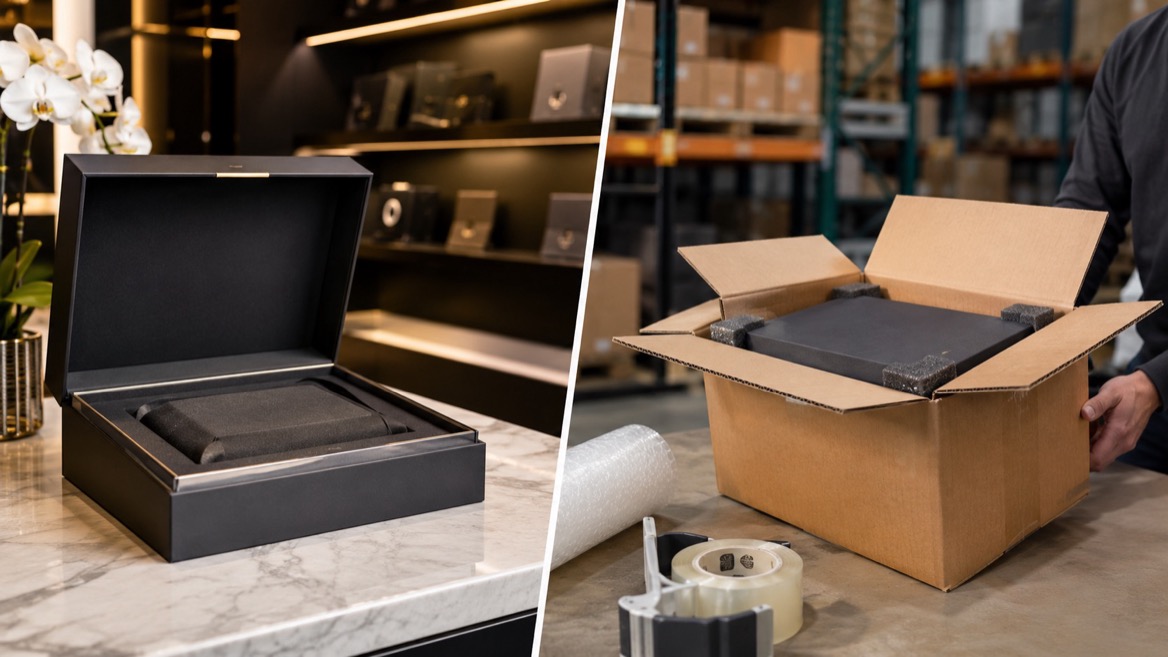
Rigid boxes feel more solid and premium, but corrugated boxes are usually better for shipping protection and stacking performance.
In most cases, yes, because corrugated packaging is built for functional logistics rather than premium presentation.
Rigid boxes are usually better for luxury products because they create a stronger unboxing experience and premium brand impression.
Corrugated boxes are usually better for e-commerce shipping because they are designed for durability, cushioning, and transport efficiency.
Paper and cardboard packaging are commonly recyclable in many programs, but acceptance depends on local rules and whether the material is clean and suitable for the recycling stream.
Yes. Many brands use a rigid box for presentation and a corrugated outer shipper for transport protection.
1. [Ellen MacArthur Foundation – How to Prevent Plastic Pollution and Eliminate Waste]
2. [US EPA – How Do I Recycle Common Recyclables]
3. [Meyers – Folding Carton vs. Corrugated Box vs. Rigid Box: A Comparison]
4. [Zenpack TW – Custom Rigid Box Packaging]
5. [US EPA – Paper/Cardboard Recycling Guidance]
6. [Premier Rigid Boxes – Difference Between a Rigid Box and a Corrugated Box]
7. [Gentlever]


