
Views: 222 Author: Maituohong Packaging Publish Time: 2026-05-27 Origin: Site


As a rigid box manufacturer with more than 18 years of experience in custom paper packaging, I've seen firsthand how the history of packaging shapes the way brands design, source, and use packaging today. Understanding where packaging comes from is not just an academic exercise—it directly impacts how you protect products, tell your brand story, and control costs in a competitive global market. [cfaes.osu]
In this guide, I'll walk you through how packaging evolved—from leaf wrappers and clay jars to high‑end rigid gift boxes—and what today's brands can learn from that journey. Along the way, I'll share practical insights from our work at Maituohong Packaging, where we design and produce premium rigid boxes and custom paper packaging for global clients. [jyxpackaging]
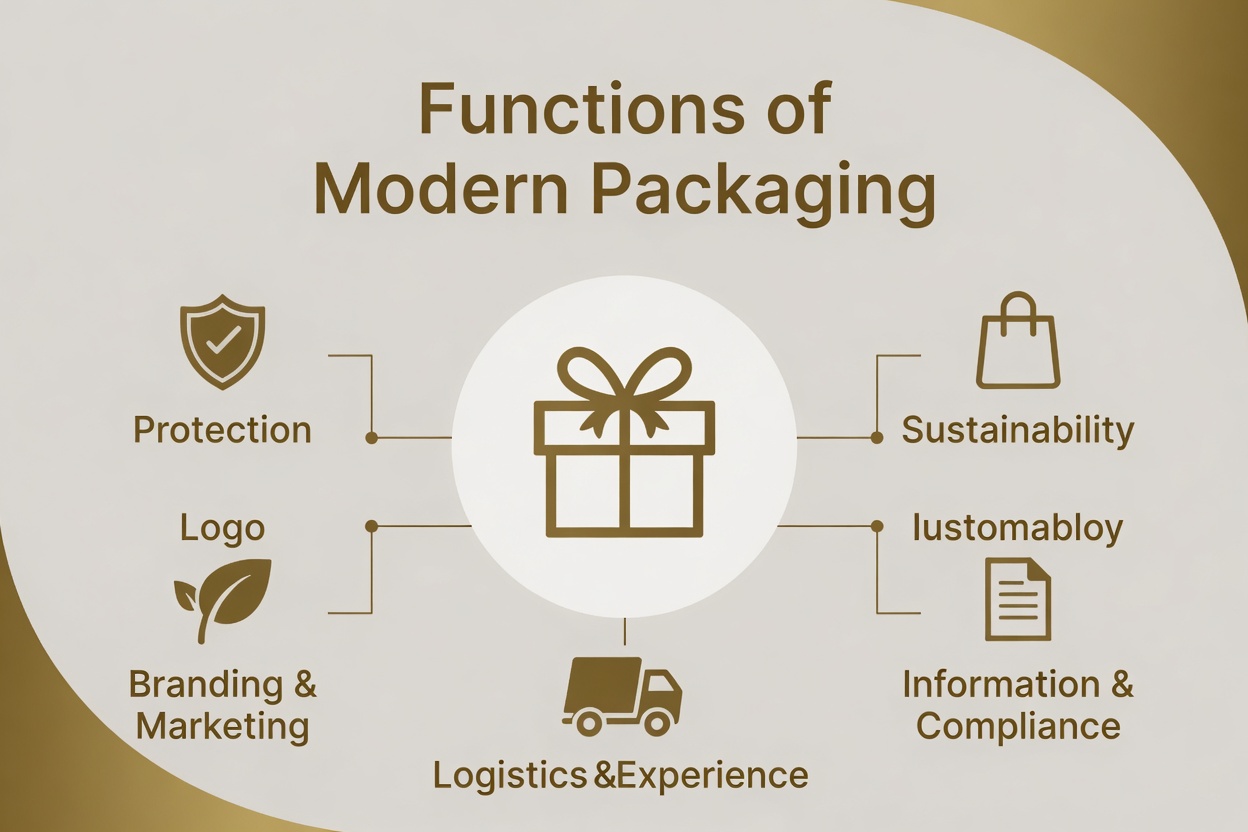
Modern packaging is no longer just about "wrapping a product"; it is a strategic tool that connects engineering, marketing, sustainability, and customer experience. [macraes]
In practical terms, packaging today must:
- Protect the product from damage, moisture, and contamination.
- Communicate brand values, product information, and legal details.
- Influence purchase decisions at the shelf or online checkout.
- Optimize logistics by stacking, shipping, and storing efficiently.
- Support sustainability goals and regulatory requirements. [surgeaio]
For rigid box packaging in particular, brands use structure, materials, and finishing to signal quality—especially in categories like luxury gifts, cosmetics, electronics, confectionery, and premium beverages. At Maituohong, we treat each rigid box as a mini-brand experience, not just a container. [altitudemarketing]

Custom packaging still fulfills the classic protective role, but its commercial functions have multiplied. Based on our manufacturing experience and industry best practices, here are the six most critical roles: [cfaes.osu]
The first and non‑negotiable role of packaging is to keep the product safe. [cfaes.osu]
- It must absorb shocks, resist compression, and prevent leaks or spills during transport.
- For fragile or high‑value items, rigid paperboard structures combined with inserts (EVA, foam, cardboard) dramatically reduce breakage. [surgeaio]
In our own production, we often see damage rates drop significantly when brands upgrade from thin folding cartons to engineered rigid boxes with tailored inserts.
Packaging can raise or lower the perceived value of your product in a few seconds. [surgeaio]
- Premium boards, soft‑touch lamination, foil stamping, and precise edges communicate craftsmanship and reliability.
- Conversely, flimsy or damaged packaging signals low quality—even if the product inside is excellent. [altitudemarketing]
For luxury brands, the rigid box is often designed to be kept and reused, turning it into a lasting brand reminder.
Many brands initially see packaging as a cost center, but properly designed packaging can increase ROI. [macraes]
- Fewer damaged items mean lower refund rates and fewer negative reviews.
- Smart size optimization reduces shipping volume and warehousing costs.
- High‑impact packaging can justify a higher retail price or support premium positioning. [altitudemarketing]
We often run packaging optimization projects where a minor structure change reduces material use, while improving stacking strength and customer satisfaction.
Consistent, recognizable packaging builds brand memory and loyalty. [surgeaio]
- When customers can spot your rigid box design instantly—by shape, color, or opening ritual—they're more likely to repurchase.
- A pleasant unboxing experience (smooth opening, clear product presentation, neat inserts) reinforces trust and encourages word‑of‑mouth. [altitudemarketing]
For example, many consumer reviews mention how "beautiful" or "gift‑ready" the packaging was—showing how much packaging influences perceived value.
Well‑designed packaging creates an emotional bridge between brand and user. [iodigital]
- Structural details (magnetic closures, ribbon pulls, dual‑layer lids) create a sense of ceremony.
- Interior prints, messaging cards, and textures can communicate your brand's story, sustainability commitments, or craftsmanship. [altitudemarketing]
This is particularly important for gifts and luxury rigid boxes, where the recipient's first impression is formed by the box, not the product itself.
Modern packaging allows products—from fresh food to luxury goods—to travel thousands of kilometers while maintaining quality. [cfaes.osu]
- Advanced barrier coatings, corrugated outers, and rigid inner boxes protect contents from humidity, impact, and temperature shifts.
- Standardized shapes (e.g., cuboid rigid boxes) make stacking and palletization efficient, lowering logistics costs. [macraes]
To understand where rigid box packaging fits in, we need to step back and look at the broader history of packaging. [cfaes.osu]
The earliest humans used natural materials to carry and store food and goods:
- Leaves, fruit shells, animal skins, woven fibers, and gourds. [cfaes.osu]
- Clay and ceramic vessels used for wine, oil, grains, and water in regions like Ancient Greece and Mesopotamia. [cfaes.osu]
These early "packages" were functional, local, and biodegradable—but lacked standardization and branding.
Over time, more durable packaging appeared:
- Glass containers and wooden barrels for liquids and valuable goods.
- Terracotta and amphorae marked with symbols or early labels to indicate contents and origin. [cfaes.osu]
- In 1823, Peter Durand patented the first metal "canister," helping enable long‑term storage of foods. [cfaes.osu]
These containers began to fuse function and identity, using shapes, engravings, and seals to convey product type and quality.
The development and industrialization of paper and cardboard dramatically changed packaging. [cfaes.osu]
- Paper, originally used for wraps and labels, evolved into paperboard boxes by the late 19th and early 20th centuries.
- Advances in color printing made it possible to add logos, illustrations, and product information directly on the package. [cfaes.osu]
This is when packaging shifted from pure protection to advertising and communication, laying the foundation for the modern branded box.
After World War II, plastic became a dominant packaging material, especially for flexible packaging and containers. [cfaes.osu]
- Polyethylene and other polymers replaced wax paper and some metal applications.
- Lightweight, inexpensive plastics accelerated global distribution and mass retail. [cfaes.osu]
However, as environmental concerns grew, plastic use began facing increased regulation and consumer scrutiny.
Packaging and labeling evolved together as commerce and distribution became more complex. [cfaes.osu]
From early cloth and papyrus labels on amphorae to modern printed cartons, labels have always aimed to:
- Identify the product and producer.
- Communicate usage, dosage, or preparation instructions.
- Demonstrate authenticity and differentiate from competitors. [cfaes.osu]
Today, labels must also include regulatory information (ingredients, warnings, barcodes, QR codes, sustainability marks), making layout and hierarchy crucial.
Modern brands treat packaging as part of an integrated visual identity system:
- Structural choices (rigid box vs folding carton vs pouch) align with positioning.
- Typography, color systems, and iconography stay consistent across SKUs and markets.
- Coherent packaging design supports both shelf impact and online product photography. [altitudemarketing]
Packaging has continuously evolved in response to regulations, globalization, consumer expectations, and technology. [macraes]
Key drivers of evolution include:
- Safety and hygiene: Growing awareness and regulations for food and pharmaceutical safety.
- Global trade: Longer supply chains requiring stronger, more stable packaging.
- Marketing competition: Crowded shelves pushing brands to differentiate via design.
- Sustainability pressures: Demand for recyclable, reusable, and lower‑impact packaging. [iodigital]
This created new roles like packaging technologists and structural designers, as packaging became a specialized discipline rather than a minor part of quality control. [cfaes.osu]
Today's packaging landscape is defined by two major forces: sustainability and customer experience. [iodigital]
Many brands are shifting from pure plastics to paper‑based and hybrid solutions, including:
- Rigid paperboard boxes with recycled cores and responsibly sourced outer papers.
- Minimal plastic components, or removable plastic parts for easier recycling.
- Design for disassembly, flat‑pack shipping, and reduced material usage. [iodigital]
Regulations and consumer preferences increasingly favor recyclable and renewable materials, creating strong demand for high‑quality paper packaging and rigid boxes.
Rigid boxes play a central role in premium and gift‑oriented packaging because they offer:
- Strong structural integrity and product protection.
- Endless possibilities for surface finishing (embossing, debossing, foiling, spot UV, fabric wrapping).
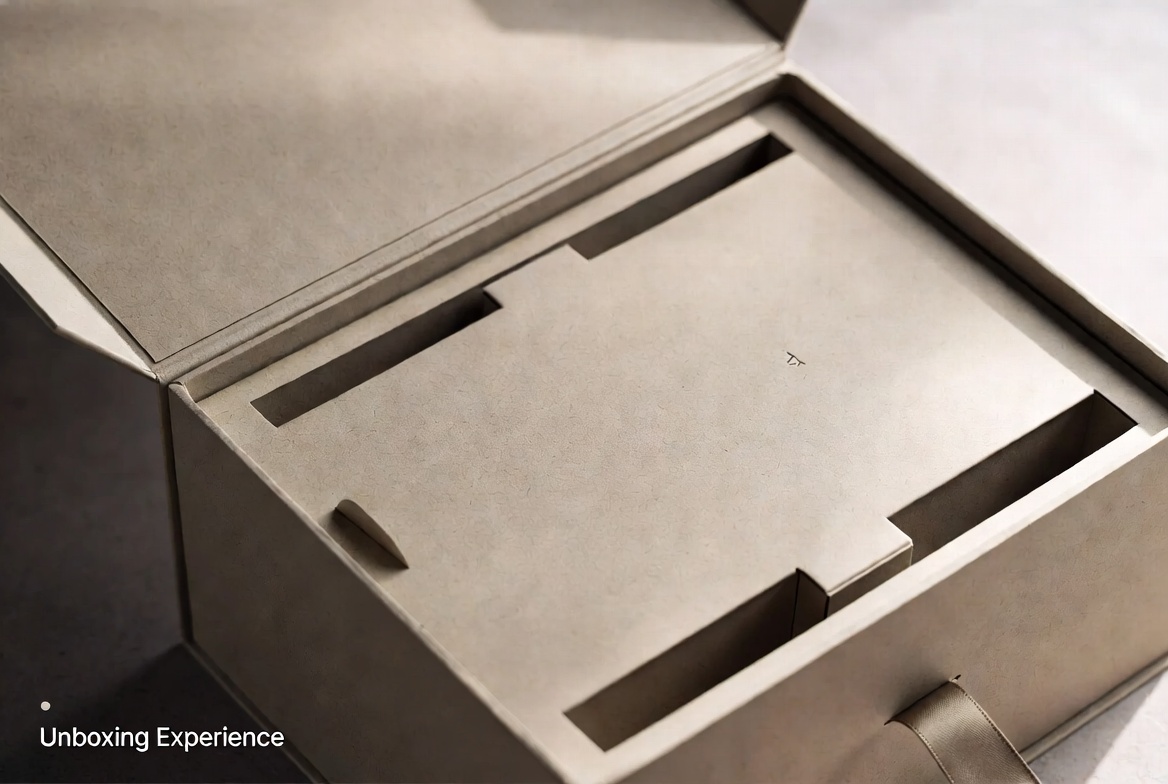
- A controlled, layered unboxing experience with interior print, compartments, and accessories. [surgeaio]
At Maituohong, we see more brands treating rigid boxes as "stage sets" for their products—designing how lids lift, inserts reveal, and messaging appears.
To add practical value beyond a generic history, here are three expert lessons we've learned working with global brands on custom rigid boxes.
Many brands begin with visual design, but performance should come first.
- Define your drop tests, stacking needs, humidity exposure, and transport routes.
- Choose board thickness, structure, and inserts to meet these constraints.
- Only then layer in finishes, colors, and graphics. [macraes]
This sequence avoids beautiful boxes that fail in real logistics, leading to damage, returns, and negative reviews.
A design that looks perfect in a 3D mockup might be difficult or expensive to manufacture at scale.
- Avoid overly complex structures that cause alignment or glue‑line issues.
- Align dimensions with standard board sizes and equipment to control waste.
- Collaborate early with your packaging supplier to validate feasibility. [macraes]
We often help clients simplify structures while keeping the visual impact, reducing both unit costs and defect rates.
Rigid boxes offer unusual opportunities for secondary use:
- Storage boxes for home or office.
- Keepsake boxes for gifts or special items.
- Branded organizers or display pieces. [altitudemarketing]
Designing for reusability not only supports sustainability narratives but also keeps your brand visible in the customer's environment long after the product is consumed.
To make this history actionable, here is a simple 4‑step framework brands can use when choosing or upgrading packaging.
Step 1: Define the core purpose
- Is the primary goal protection, gifting impact, shelf presence, or cost reduction?
- Many premium brands prioritize unboxing and gifting, making rigid boxes ideal.
Step 2: Map your supply chain
- How far and how often will the product travel?
- Will it be sold online, in retail, or both?
This determines whether you need extra outer protection or can rely on the rigid box alone.
Step 3: Align with sustainability goals
- Do you have targets for recyclability, recycled content, or plastic reduction?
- Paper‑based rigid boxes with responsibly sourced boards can support these goals. [iodigital]
Step 4: Co‑create with your packaging partner
- Share product samples, brand guidelines, and logistics constraints with your supplier.
- Request structural proposals, white samples, and testing plans before finalizing designs.
| Aspect | Traditional Materials (Leaves, Wood, Clay) | Modern Materials (Paperboard, Rigid Boxes, Plastics) |
|---|---|---|
| Primary function | Basic storage and transport cfaes.osu | Protection, branding, logistics, compliance cfaes.osu |
| Durability | Low to medium | Medium to high |
| Branding possibilities | Minimal symbols or marks cfaes.osu | Full‑color printing, finishing, structural branding cfaes.osu |
| Sustainability | Naturally biodegradable | Depends on material mix and design iodigital |
| Typical use cases | Local food, liquids, grains cfaes.osu | Global consumer goods, e‑commerce, luxury products altitudemarketing |
The history of packaging shows a clear pattern: brands that treat packaging as a strategic asset—not just a cost—gain an edge in protection, storytelling, and customer loyalty. [surgeaio]
If you're exploring custom rigid box packaging or premium paper solutions for your brand, our team at Maituohong Packaging can help you:
- Translate your brand story into a high‑impact rigid box.
- Optimize structure for protection, logistics, and sustainability.
- Develop packaging that delights customers and supports your business goals.
You can share your product details, target market, and brand guidelines with us, and we'll prepare a tailored rigid packaging proposal for your next launch.
Some of the earliest packaging used natural materials like leaves, shells, woven fibers, and clay vessels to carry food and liquids, especially in ancient agricultural societies. [cfaes.osu]
Paper has been used in China since at least the second century BCE, but industrial‑scale paperboard and cardboard boxes became prominent in the 19th and early 20th centuries, enabling branded retail packaging. [cfaes.osu]
Rigid boxes combine high structural strength, excellent visual and tactile qualities, and almost unlimited finishing options, making them ideal for products that need a premium, gift‑ready presentation. [macraes]
Modern packaging addresses sustainability by reducing material use, switching from mixed or hard‑to‑recycle materials to paper‑based or mono‑material solutions, and designing for recyclability and reusability. [iodigital]
Brands can balance cost and experience by optimizing structure and dimensions, using efficient board grades, and reserving premium finishes for high‑impact areas, while ensuring the packaging still protects products and delivers a satisfying unboxing. [surgeaio]
1. Google Search Central – Creating Helpful, Reliable, People‑First Content (E‑E‑A‑T). [developers.google]
https://developers.google.com/search/docs/fundamentals/creating-helpful-content
2. A History of Packaging – CFAES Knowledge Hub, Ohio State University. [cfaes.osu]
https://cfaes.osu.edu/fact-sheet/history-packaging
3. SEO for Packaging Manufacturing Companies – MacRAE'S. [macraes]
https://macraes.com/seo-for-packaging-manufacturers/
4. SEO Strategies for Packaging Brands – Altitude Marketing. [altitudemarketing]
https://altitudemarketing.com/blog/seo-for-packaging-brands/
5. Google E‑E‑A‑T: Creating Content That Puts People First – iO Digital. [iodigital]
https://www.iodigital.com/en/insights/blogs/google-e-e-a-t-creating-content-that-puts-people-first
6. Tycoon Packaging – A Well‑Informed Guide on the History of Packaging (original article analyzed for gaps and structure). [surgeaio]
https://tycoonpackaging.com/a-well-informed-guide-on-the-history-of-packaging/


