
Views: 212 Author: Maituohong Packaging Publish Time: 2026-06-21 Origin: Site


Content Menu
● Why Shipping Terminology Matters for Growing Brands
● Key Shipping Concepts You Should Know
>> 1. Freight vs. Cargo vs. Packages
>> 2. Inbound vs. Outbound Freight
>> 3. Intermodal and Multimodal Shipping
● Glossary of Essential Shipping Terms (With Practical Examples)
>> Back Haul
>> Break Bulk
>> Bulk Cargo
>> Carrier
>> Cartage
>> Charter Rate
>> Container
>> Full Truckload (FTL) Shipping
>> ISO (International Organization for Standardization)
>> LTL Freight (Less Than Truckload)
>> Manifest
>> Pallet
>> Reefer
>> Shipper
>> WCO (World Customs Organization)
● How Packaging Choices Affect Shipping Performance
● Practical Steps to Improve Your Shipping Operations
● Real‑World Example: Avoiding Freight Surprises with Better Terminology
● Working with an Experienced Packaging Partner
● Simple Table: Term, Definition, and Packaging Impact
● Call to Action: Turn Shipping Knowledge into Competitive Advantage
● Frequently Asked Questions (FAQ)
As someone who has worked with global e‑commerce brands and B2B buyers for more than 18 years in the packaging and logistics space, I've seen firsthand how clear shipping terminology can make or break a supply chain. Whether you're shipping custom mailer boxes from Shenzhen or fulfilling small DTC orders overseas, mastering the language of shipping helps you avoid delays, control costs, and build trust with partners and customers. [makemedia]
In this guide, you'll find plain‑language definitions, real‑world examples, and practical tips for each key shipping term, along with expert insights from the perspective of a custom packaging manufacturer like Maituohong Packaging. [linkedin]
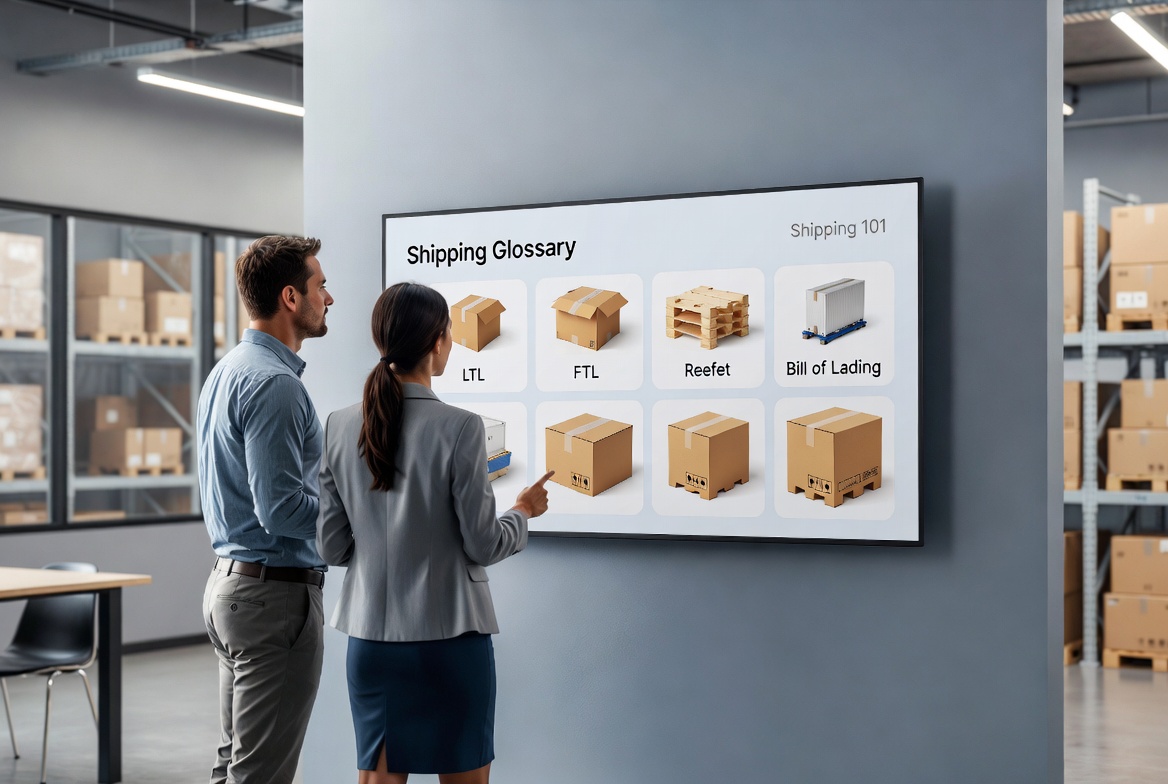
Understanding shipping terms is not just a vocabulary exercise; it's a business capability that directly influences your margins, lead times, and customer experience. [magetop]
- Better negotiations: Knowing the difference between LTL and full truckload helps you negotiate fair freight rates and avoid unnecessary surcharges. [answermaniac]
- Fewer delays and disputes: When everyone agrees on what a "bill of lading" or "manifest" includes, you reduce miscommunication and customs issues. [magetop]
- Stronger operations: Teams in logistics, purchasing, and marketing can align on how products are packed, shipped, and tracked from factory to customer. [magetop]
From our side as a packaging manufacturer, whenever a client understands these terms, projects move faster: specs are clearer, packaging is better optimized for transport, and fewer shipments get damaged or returned.
Before we dive into the glossary, it helps to understand three core concepts that show up in almost every logistics conversation. [makemedia]
- Freight usually refers to goods transported in bulk, often by truck, rail, ocean, or air, typically for commercial purposes. [magetop]
- Cargo is a broader term referring to goods carried by ship, aircraft, train, or truck. [magetop]
- Packages are the individual units of goods, often packed in mailer boxes, cartons, or shipping boxes that are handled at parcel level. [magetop]
From a packaging perspective, you design cartons and mailer boxes to protect individual packages, while pallets and containers protect freight or cargo on a larger scale.
- Inbound freight: Goods coming into your facility (e.g., raw materials, components, or finished products from suppliers). [magetop]
- Outbound freight: Goods leaving your facility to customers, distributors, or fulfillment centers. [magetop]
Brands that optimize both inbound and outbound flows can coordinate packaging specifications, consolidate shipments, and negotiate more favorable rates with carriers. [arcc]
- Intermodalism means moving a shipment using multiple transport modes (truck, rail, air, ocean) while keeping the cargo in the same container or unit. [magetop]
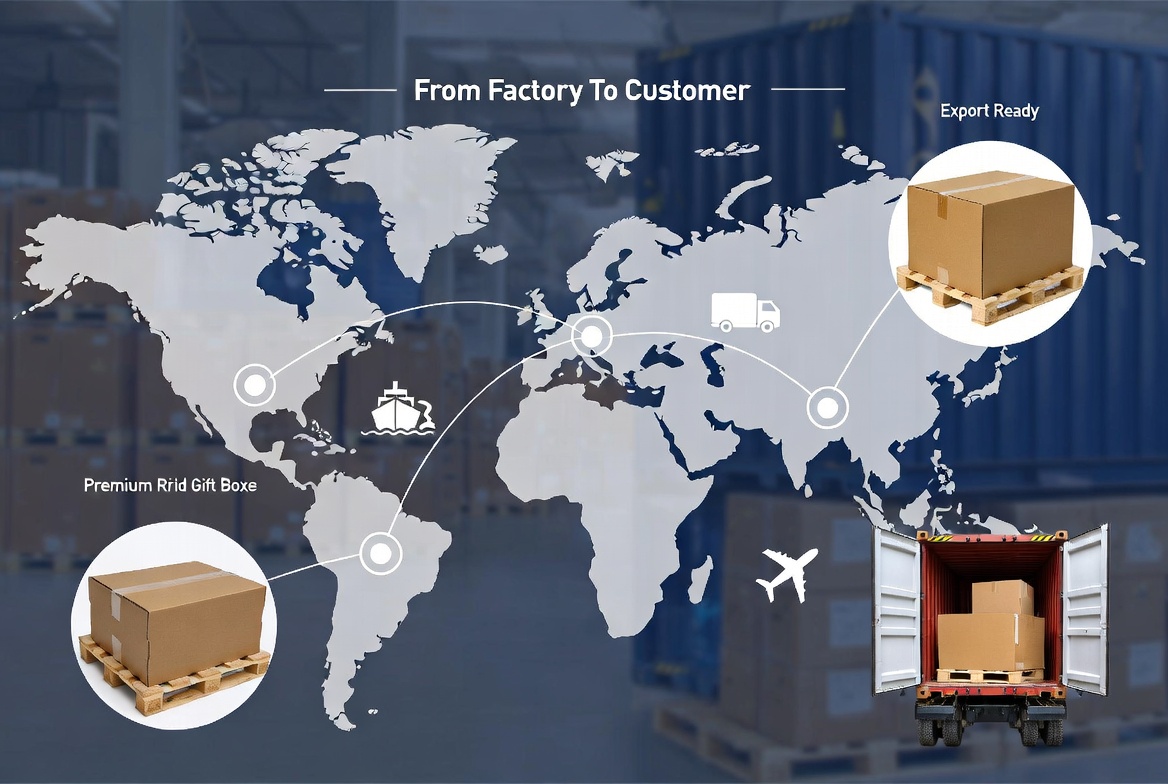
- This is common in global trade: for example, corrugated mailer boxes loaded into a shipping container in Shenzhen, moved by truck to port, then by ship, and finally by rail or truck in the destination country. [magetop]
Designing packaging for intermodal routes means considering stacking strength, moisture resistance, and handling conditions across different legs of the journey.
Below you'll find key shipping terms adapted from the original glossary, expanded with examples and packaging implications to support e‑commerce and B2B users. [linkedin]
Definition: The return leg of a trip for a transport vehicle (truck, vessel, or rail) as it heads back to its origin, often carrying cargo instead of running empty. [magetop]
Why it matters:
- Carriers may offer discounted rates to fill back hauls, which can reduce your shipping costs if you're flexible on schedule. [arcc]
- This is especially useful for brands that ship from central warehouses to regional hubs and back.
Expert tip: When negotiating logistics contracts for your corrugated shipping boxes, ask carriers whether they have back haul lanes that match your routes to unlock better pricing. [arcc]
Definition: A legally binding document issued by the carrier that details the shipment's contents, destination, and terms of carriage. [magetop]
Why it matters:
- It acts as a receipt, contract, and document of title.
- Errors in the BOL (wrong counts, incorrect packaging description) can cause disputes, delays, or additional fees. [magetop]
Packaging insight: Accurately describing packaging units on the BOL—such as "500 corrugated mailer boxes on 10 pallets"—helps prevent damage claims and supports smoother customs clearance.
Definition: A shipment where the shipper and receiver's identities are kept confidential from each other. [magetop]
Use case: Common in drop‑shipping and wholesale arrangements where a middle party wants to protect supplier relationships. [makemedia]
Packaging insight:
- Neutral or unbranded mailer boxes and generic packing slips are typically used to avoid revealing the original supplier.
- This places extra emphasis on internal tracking and labeling inside the warehouse.
Definition: Informal industry slang for a shipping container, typically a large steel container used in ocean and intermodal transport. [magetop]
Why it matters:
- When logistics teams talk about "filling a box," they are usually referring to maximizing the capacity of a container, not just individual cartons. [magetop]
- Efficient packaging design can increase how many mailer boxes or rigid boxes fit in each container, lowering per‑unit freight cost.
Expert tip: At Maituohong Packaging, we often run container loading simulations to optimize carton size and stacking patterns so customers can ship more units per box without compromising protection.
Definition: Loose cargo stowed directly in a ship's hold rather than in shipping containers. [magetop]
Modern relevance: Though containerization dominates, break bulk still appears in specialty, oversized, or project cargo (for example, large machinery or irregular pallets). [magetop]
Packaging insight: When break bulk is used, packaging must compensate for less structured handling, relying on stronger rigid boxes, protective inserts, and enhanced strapping or wrapping.
Definition: Commodity cargo transported in large volumes without packaging (such as coal, grain, or liquids). [magetop]
While most brand owners won't ship bulk cargo directly, understanding it helps when coordinating with upstream suppliers who transport raw materials before they are packed into consumer or B2B packaging. [magetop]
Definition: Any company or individual that transports freight for a fee. [magetop]
Examples: Parcel carriers, freight forwarders, trucking companies, ocean lines, and air cargo providers. [magetop]
Expert tip: Evaluate carriers not only on freight rates, but also on how they handle fragile or branded packaging (such as magnetic rigid boxes or luxury gift boxes), delivery performance, and claims processes. [arcc]
Definition: Freight moved over a short distance, usually within the same city or metropolitan area. [magetop]
Typical scenarios:
- Moving pallets of custom packaging from a local warehouse to a fulfillment center.
- Shuttling inventory between regional hubs.
Short‑distance cartage still benefits from optimized palletization and box strength, especially in fast‑moving urban networks.
Definition: The agreed price for hiring a vessel, aircraft, or vehicle to carry freight or cargo. [magetop]
For high‑volume brands or seasonal campaigns (e.g., holiday gifting), chartering capacity can ensure reliable capacity and predictable lead times. [arcc]
Packaging insight: If you're chartering your own capacity, you have more freedom to specify ideal packaging dimensions and stacking configurations, which can further optimize cost per unit.
Definition: A reusable, typically steel, rectangular box used for housing cargo—standardized by the International Organization for Standardization (ISO) to support global trade. [magetop]
Why it matters:
- Standard lengths (20‑foot, 40‑foot) and heights enable intermodal transport across ships, trains, and trucks. [magetop]
- Efficient packaging design must align with container dimensions to avoid wasted space and unstable loads.
Definition: The standard charges applied by carriers for transporting freight between two points. [magetop]
Key factors influencing rates:
- Distance and route
- Weight and volume (dimensional weight for parcels)
- Mode (air, ocean, road)
- Packaging type and stacking efficiency
For example, switching from oversized, lightly filled cartons to right‑sized mailer boxes can reduce volumetric weight and lower freight rates, especially in parcel networks. [magetop]
Definition: A freight mode where a shipment fills an entire 48‑ or 53‑foot trailer, usually for a single shipper. [magetop]
When to use:
- High volume orders from your factory to a regional DC
- Consolidated shipments of packaging and products to major retail partners
Packaging insight: With FTL, you have more control over how pallets and boxes are stacked, allowing lighter‑weight but still protective solutions that leverage the stability of a full, dedicated load.
Definition: Shipments coming into your facility, typically from vendors or manufacturing partners. [magetop]
For brand owners importing custom packaging from factories in China, inbound freight visibility is critical for production planning, inventory control, and launch timelines.
Definition: Shipping that uses multiple modes of transportation (rail, truck, air, ocean) while maintaining the same shipping unit. [magetop]
Packaging insight: Intermodal shipments face varied shocks, humidity, and stacking forces, so using high‑strength corrugated mailer boxes, rigid boxes, and certified pallets is essential to protect goods end‑to‑end.
Definition: A global standard‑setting body that, among many other things, defines container sizes and formats. [magetop]
Maituohong Packaging operates under ISO9001 quality management, which helps ensure consistent quality across every batch of packaging destined for international markets.
Definition: Shipments that do not require a full trailer and are consolidated with other freight. [magetop]
Risks and opportunities:
- More handling and transfers than FTL, which increases the risk of damage to poorly packed goods. [magetop]
- Cost‑effective for mid‑volume orders if packaging and load design are optimized.
Packaging insight: For LTL, stronger corrugated boxes, reinforced edges, and secure palletization reduce damage claims and keep your packaging looking premium upon arrival.
Definition: A document listing all cargo carried by a vehicle or vessel. [magetop]
In modern warehouses, manifests are often integrated into warehouse management systems (WMS) and tied to carton labels, QR codes, or barcodes on boxes. [makemedia]
Definition: Shipments leaving your facility for customers, distributors, or retail stores. [magetop]
Outbound performance directly shapes customer satisfaction: well‑designed mailer boxes and shipping boxes ensure brands arrive intact, with unboxing experiences that support repeat orders.
Definition: A flat wooden or sometimes plastic platform used to support and move stacked goods during transport. [magetop]
Packaging insight:
- Choosing the right box dimensions relative to pallet size (e.g., 40×48 inch) reduces overhang and increases stability.
- Stacking patterns and box strength (ECT/Burst ratings) are critical factors in preventing crushing during transit.
Definition: A multi‑level warehouse structure used for efficient order picking and storage. [magetop]
Within pick mods, right‑sized mailer boxes and clear labeling help staff quickly identify the correct packaging and maintain order accuracy.
Definition: Industry slang for a temperature‑controlled container or trailer. [magetop]
Packaging insight: When shipping temperature‑sensitive goods (like cosmetics or specialty foods), selecting moisture‑resistant cartons, liners, and inserts is essential to complement the reefer's controlled environment.
Definition: Any individual or company paying to ship goods. [magetop]
In many e‑commerce and B2B operations, the shipper is also the brand owner, responsible for both product and packaging design. [magetop]
Definition: An intergovernmental organization made up of customs administrations from nearly 200 countries, working to standardize and simplify customs procedures. [magetop]
Understanding basic customs expectations—like accurate HS codes, packaging descriptions, and country of origin—helps prevent shipment holds and aligns with WCO‑aligned national customs rules. [magetop]
Even though shipping terms focus on logistics, your packaging strategy is a major lever in controlling freight cost, damage rates, and customer experience. [magetop]
Key packaging factors that influence shipping:
- Box type:
- Mailer boxes for DTC and subscription shipments
- Corrugated shipping boxes for wholesale and bulk orders
- Rigid gift boxes for premium products and brand storytelling
- Material strength:
- Appropriate corrugate grade for the weight and stacking height
- Reinforced corners and inserts for fragile items
- Dimensional efficiency:
- Right‑sizing reduces dimensional weight and improves pallet yield. [magetop]
Maituohong Packaging supports brands by designing packaging that balances protection, aesthetics, and shipping efficiency, from sampling to mass production.
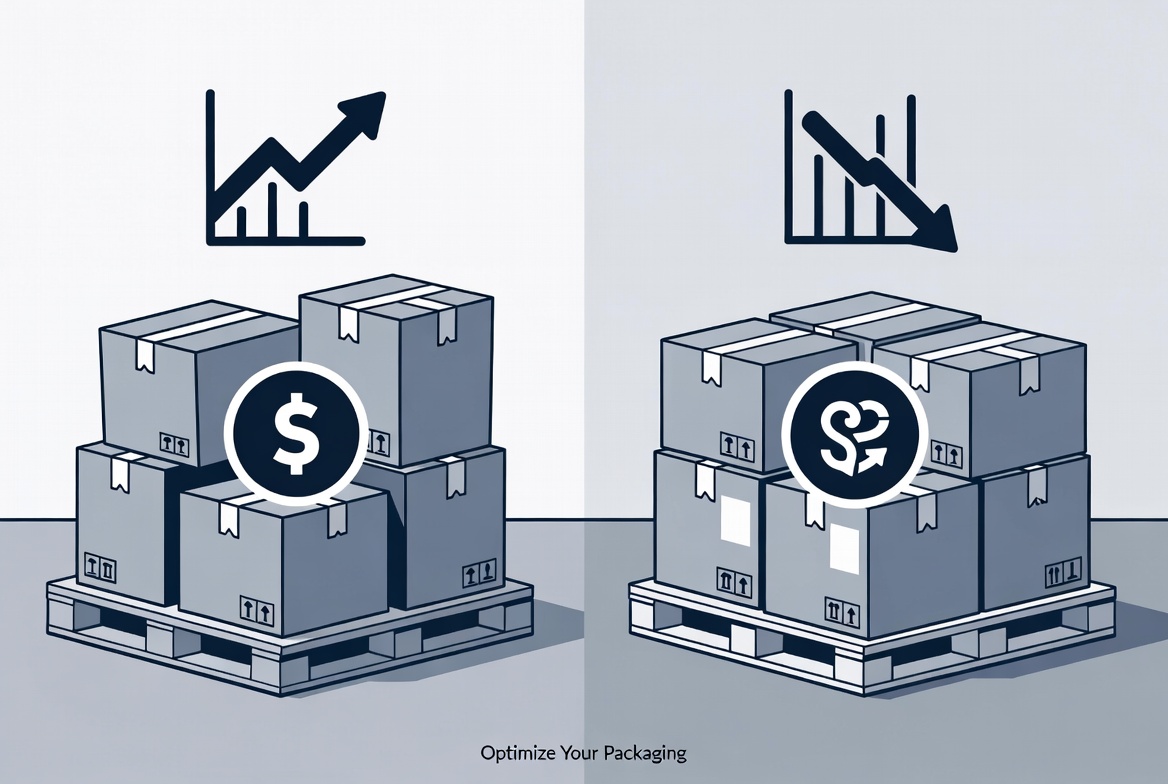
Based on years of working with global brands and logistics partners, here are practical steps you can apply immediately. [arcc]
1. Audit your current packaging and freight mix
- Map which products ship via parcel, LTL, and FTL.
- Identify SKUs with high damage or high freight costs.
2. Standardize terminology across teams
- Align logistics, purchasing, and marketing on the same definitions.
- Build an internal shipping terminology cheat sheet based on this glossary.
3. Optimize packaging for key lanes
- For long intermodal routes, choose higher‑strength corrugated and reinforced inserts.
- For domestic parcel networks, focus on right‑sized mailer boxes to reduce dimensional weight.
4. Collaborate closely with your packaging manufacturer
- Share route details, storage conditions, and customer expectations.
- Request structural design proposals and samples that fit your specific shipping profile.
5. Review periodically
- As your sales channels evolve, revisit your shipping terms and packaging specifications at least once per year. [makemedia]
A mid‑size e‑commerce brand approached us after repeatedly experiencing unexpected freight surcharges and damaged shipments for their rigid gift boxes shipped to North America.
After reviewing their operations, we found:
- Their carrier treated shipments as LTL freight, but internal documents described them as "parcel," causing mismatched expectations and packaging choices. [magetop]
- Box dimensions were optimized for shelf presence, not for pallet or container fit.
By aligning terminology (LTL vs. parcel), redesigning their corrugated shipping cartons, and updating the bill of lading descriptions, the brand reduced damage rates and improved freight predictability. [magetop]
As a one‑stop custom paper packaging manufacturer with over 18 years of experience, Maituohong Packaging supports brands worldwide with:
- Rigid gift boxes, luxury packaging, and magnetic closure boxes
- Corrugated mailer boxes and shipping boxes optimized for e‑commerce
- Folding cartons, paper bags, and custom inserts tailored to your product and supply chain
With ISO9001 quality systems, FSC‑certified materials, and in‑house structural design, we help you create packaging that's not only beautiful, but also logistics‑ready for modern global supply chains.
| Shipping term | Plain definition | Packaging impact |
|---|---|---|
| Bill of Lading | Legal document outlining shipment details | Accurate box and pallet counts reduce disputes and delays. (magetop) |
| LTL Freight | Shared trailer space for multiple shippers | Requires stronger boxes and secure palletization to withstand multiple handlings. (magetop) |
| Reefer | Temperature-controlled container or trailer | Needs moisture-resistant cartons and inserts for sensitive goods. (magetop) |
| Pallet | Platform for stacking and moving goods | Box dimensions and stacking patterns must fit pallet footprints. (magetop) |
| Intermodalism | Multiple transport modes using one unit | Packaging must handle varied conditions across the entire route. (magetop) |
If you're ready to reduce freight risk, improve customer experience, and make your packaging work harder for your brand, start by aligning your team on the shipping terms in this glossary and reviewing your current packaging setup. [magetop]
Maituohong Packaging can help you:
- Audit your existing mailer and shipping boxes
- Design packaging that fits your preferred shipping modes
- Prototype and test solutions before large‑scale roll‑out
Get in touch with our team to discuss your next packaging project and see how expert‑designed boxes can transform your shipping performance.
1. What is the difference between a mailer box and a shipping box?
A mailer box is typically a self‑locking corrugated or folding carton used for direct‑to‑consumer shipments, designed to combine protection with an attractive unboxing experience. A shipping box is usually a larger corrugated carton used to transport multiple units or bulk goods through parcel, LTL, or FTL networks.
2. How can I reduce damage to my products during LTL shipping?
To reduce damage, use stronger corrugated grades, reinforced edges, and custom inserts that keep products from shifting inside the box. Ensure pallets are well‑wrapped and stacked with minimal overhang, and accurately describe the cargo on the bill of lading. [magetop]
3. Why do freight rates seem to change so often?
Freight rates change due to fuel prices, capacity constraints, seasonality, route demand, and carrier pricing strategies. Your packaging choices—such as box size and weight—also influence dimensional weight charges and surcharges. [arcc]
4. How often should I review my packaging for shipping optimization?
As a best practice, review packaging and freight performance at least once per year or whenever you change carriers, routes, or product mix. Regular reviews help you catch new cost‑saving opportunities and address emerging issues early. [makemedia]
5. What should I look for in a packaging manufacturer for global shipping?
Look for a manufacturer with proven export experience, ISO‑certified quality systems, FSC options for sustainable materials, and an in‑house design team that understands both branding and logistics. They should offer sampling, structural testing, and support across languages and markets.
1. Papermart. “Shipping 101: A Glossary of Common Shipping Industry Terms.” https://blog.papermart.com/small-business/glossary-of-common-shipping-industry-terms/
2. Maituohong Packaging – Our Factory. https://www.mthpackagingbox.com/our-factory.html
3. SEO-Day. “E‑E‑A‑T – Fundamentals and Best Practices.” https://www.seo-day.de/wiki/on-page-seo/content-optimierung/e-e-a-t.php?lang=en
4. Semrush. “Google E‑E‑A‑T: What It Is & How It Affects SEO.” https://www.semrush.com/blog/eeat/
5. AnswerManiac. “Glossary Builder: How to Build SEO-Optimized Glossaries.” https://www.answermaniac.ai/blog/glossary-builder-seo-guide
6. MakeMedia. “How to Create an Amazing Business Glossary Step-by-Step.” https://makemedia.ai/business-glossary/
7. ARCC Asia. “SEO for Packaging Companies.” https://arcc.asia/digital-marketing-blog/seo-for-packaging-companies/


