
Views: 280 Author: Maituohong Packaging Publish Time: 2026-06-26 Origin: Site


Content Menu
● Why Packing Dishes Properly Matters
● Step 1: Choose the Right Moving or Shipping Box
● Step 2: Assemble, Reinforce, and Label the Box
● Step 3: Build a Protective Cushion at the Bottom
● Step 4: Wrap Each Dish Individually
● Step 5: How to Pack Plates and Bowls for Moving
● Step 6: How to Pack Glassware and Mugs
● Step 7: Fill Gaps, Close, and Label the Box
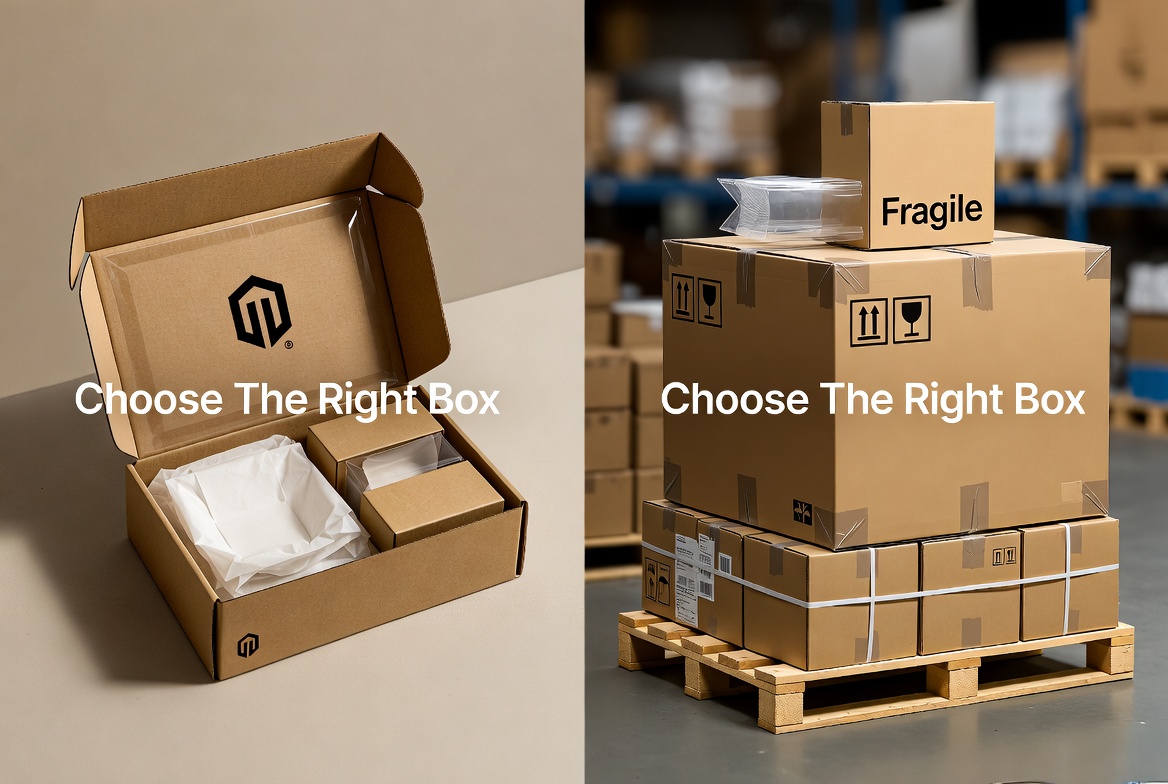
● Mailer Box vs. Shipping Box: Which Should You Use?
● Real‑World User Feedback and Common Questions
● Expert Tips from 18+ Years in Packaging
● Sustainable and Eco‑Friendly Dish Packing Options
● Step‑by‑Step Summary: How to Pack Dishes for Moving
● When to Consider Professional or Custom Packaging
● Call to Action: Upgrade Your Dish Packing with Custom Mailer and Shipping Boxes
● Frequently Asked Questions (FAQ)
Packing dishes for moving is all about combining the right packaging materials, a clear step‑by‑step method, and the correct type of mailer or shipping box so nothing cracks, chips, or shatters in transit. Drawing on more than 18 years of custom packaging manufacturing experience at Maituohong Packaging, this guide walks you through a practical, expert‑level process to pack dishes safely for both home moves and parcel shipping. [homedepot]

Moving and shipping put dishes under constant stress: stacking, vibration, sudden drops, and temperature changes all increase the risk of damage. Fragile items like plates, bowls, mugs, and glassware need purpose‑designed packaging and disciplined packing techniques to survive the journey intact. [freightamigo]
From a packaging manufacturer's perspective, many breakages are not caused by carriers but by poorly chosen boxes and insufficient cushioning. The good news is that most of these failures are preventable when you combine quality corrugated mailer or shipping boxes with a structured packing plan. [international-logistics-group]
The box is your first line of defense, and not all boxes are created equal. For dishes, you should always use heavy‑duty corrugated cardboard boxes or specialized dish‑pack cartons designed for fragile items. [homedepot]
Key factors when choosing a box:
- Material: Double‑wall or reinforced corrugated cardboard for maximum stacking strength.
- Size: Slightly larger than the packed dishes to leave room for cushioning, but not so large that dishes can shift. [freightamigo]
- Type:
- Mailer boxes: Ideal for smaller sets, direct‑to‑consumer shipping, and branded unboxing experiences. [chinese.alibaba]
- Shipping boxes: Better for full kitchen sets, bulk orders, and stacking on pallets or in moving trucks. [gentlever]
From a manufacturer's standpoint, over‑sized, thin‑wall boxes are one of the most common causes of in‑transit damage because they collapse, bow, or allow excessive internal movement. Invest in boxes engineered for load and impact—especially if you plan to reuse them across multiple moves or shipments. [international-logistics-group]
Even a strong box can fail if it's poorly assembled. Before you place a single dish inside, do the following: [homedepot]
1. Fully tape the bottom seam with high‑quality packing tape, running at least one extra strip along the main seam. [homedepot]
2. Reinforce side seams or corners for heavier loads with additional tape to prevent blowouts. [extraspace]
3. Pre‑label at least one side and the top with:
- Room or destination (e.g., "Kitchen – Dishes").
- Handling instructions: "Fragile," "This Side Up," "Do Not Stack." [international-logistics-group]
For e‑commerce and B2B shipments, clear exterior markings reduce mishandling and help logistics partners prioritize careful stacking and loading. As a packaging manufacturer, we also recommend printing pictograms ("glass," "fragile," "arrow up") directly on the box to ensure universal understanding across languages. [freightamigo]
The bottom cushion is your safety net against drops, bumps, and compressed loads. Industry guidelines often recommend at least 5–6 cm (2–3 inches) of cushioning material under dishes. [extraspace]
Effective cushioning options include:
- Crumpled packing paper
- Bubble wrap sheets
- Foam rolls or inserts
- Soft textiles (kitchen towels, oven mitts, or cloths) [extraspace]
For especially fragile or high‑value pieces (fine china, heirloom sets, or fragile glassware), consider a hybrid base layer: crumpled paper for bulk plus a top layer of bubble wrap or foam for impact absorption. This dual‑layer approach spreads the load and reduces the risk of point impacts on individual pieces. [freightamigo]
The single most important rule: never pack bare dishes directly against each other. Each plate, bowl, or mug should be wrapped individually to prevent contact and point loading. [homedepot]
Expert wrapping technique:
- Lay a sheet of packing paper or bubble wrap on a flat surface. [homedepot]
- Place the dish in the center and fold corners inward, fully covering the item.
- Secure the wrap with tape if necessary to keep the layers tight.
- For thick or less fragile items, you may bundle two similar pieces in one sheet, but avoid this for thin glass or fine china. [extraspace]
From a manufacturer's perspective, multiple thin wrapping layers often perform better than one very thick layer, because they distribute impact forces more evenly across surfaces. For mugs and glasses, always fill the interior with crumpled paper before wrapping to reinforce handles and rims. [freightamigo]
Plates and bowls are deceptively fragile: their broad surface area and edges make them highly susceptible to chipping and cracking. The orientation of plates in the box matters almost as much as the wrapping. [extraspace]
Best practice for plates and bowls:
- Wrap individually, then place them vertically, as you would load a dishwasher. [extraspace]
- Group plates of similar size and thickness together to maintain a consistent load.
- Build a single vertical layer, then add a thin cushioning layer (paper, foam, or bubble wrap) before stacking any additional items above. [homedepot]
By standing plates on edge, you reduce the surface area exposed to direct impact and distribute forces along the rim instead of across the face. Avoid overloading a single box; it's typically safer to use more boxes with lighter loads than fewer boxes that are overly heavy. [homedepot]
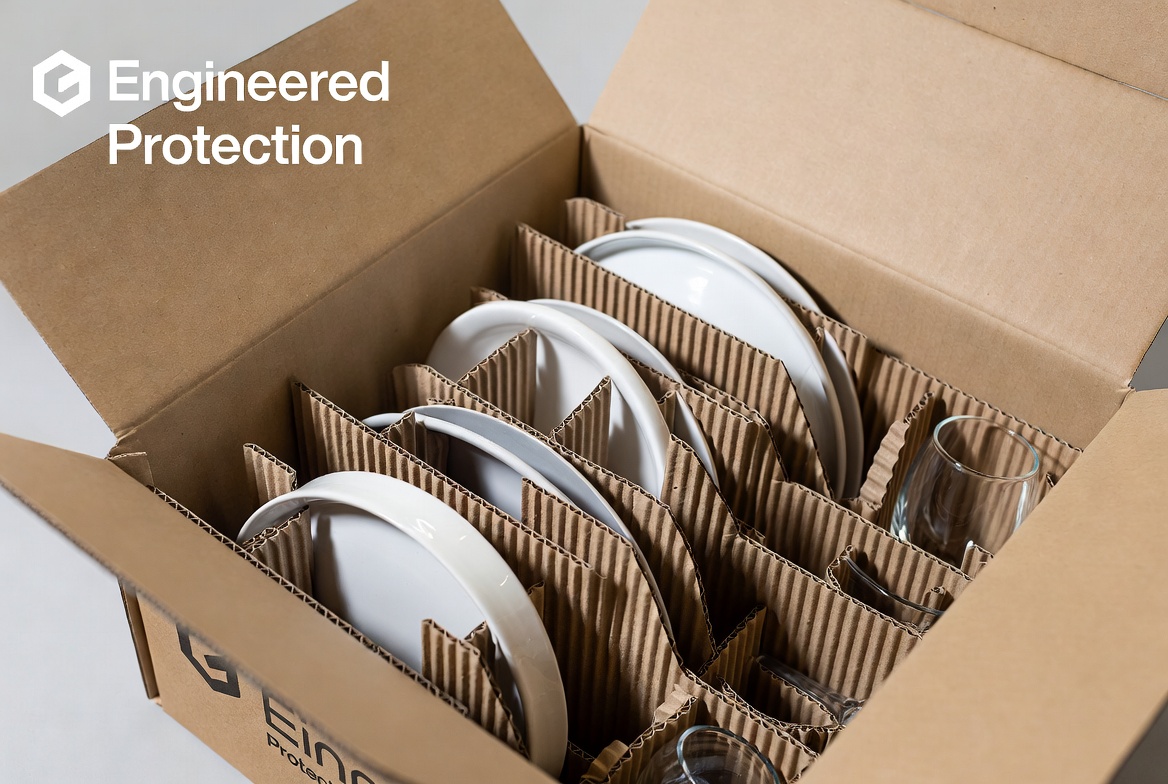
Glasses and mugs introduce extra complexity: long stems, thin walls, and delicate handles. Professional movers treat glassware almost as a separate category, often using inserts or dividers for extra protection. [freightamigo]
Glassware and mug packing steps:
- Fill interiors with crumpled paper to support walls and handles. [extraspace]
- Wrap each piece with two sheets of paper or a combination of paper and bubble wrap. [homedepot]
- Roll diagonally across the sheet, folding in the ends as you go to form a snug, compact parcel.
- Place wrapped items upright and close together, filling any gaps with additional paper or foam. [extraspace]
For shipping fragile glassware, consider using corrugated inserts or custom die‑cut dividers from your packaging supplier to lock stemware in place and prevent side‑to‑side contact. This is particularly effective for e‑commerce brands sending repeat shipments to customers. [international-logistics-group]
Once the main items are loaded, your job is to eliminate empty space. Any movement inside the box translates into impact force during transit. [homedepot]
Final internal checks:
- Add crumpled paper, foam, or soft textiles to all side gaps and the top layer. [extraspace]
- Gently shake the box; if you feel movement, add more fill until everything is snug. [freightamigo]
- Close the flaps and tape along the main seam and edges, then relabel if necessary. [homedepot]
Externally, use clear "Fragile" and "Glass" labels, plus orientation arrows if dishes must stay upright. In our manufacturing practice, we also advise clients to use different label colors for fragile kitchenware vs. general household goods to help movers and warehouse staff prioritize handling. [international-logistics-group]
Different moves and shipping scenarios call for different box formats. Understanding when to use a mailer box versus a shipping box helps you balance protection, cost, and branding. [gentlever]
| Scenario | Recommended Box Type | Why It Works Best |
|---|---|---|
| Small dish sets (2–4 place settings) | Mailer box | Compact, efficient, easy opening for recipients. (gentlever) |
| E‑commerce shipments to consumers | Mailer box + outer shipper | Clean unboxing, outer box absorbs abuse. (gentlever) |
| Full kitchen moves | Heavy‑duty shipping box | Handles larger loads, easier stacking in trucks. (homedepot) |
| B2B bulk orders | Reinforced shipping box | Suitable for pallets, warehouse handling, and strapping. (international-logistics-group) |
User comments on packing guides often highlight confusion about specialized packaging and related formats. For example, one reader asked if small eco‑friendly paper trays were available for their specific use case, reflecting growing interest in sustainable packaging options.
From our experience working with B2B clients and household movers, the most common feedback includes:
- Desire for eco‑friendly alternatives to plastic bubble wrap.
- Need for small‑batch packaging for limited dish sets.
- Requests for ready‑to‑use kits (box + paper + labels) that simplify the process. [freightamigo]
Manufacturers like Maituohong Packaging respond to this by developing recyclable corrugated mailers, paper‑based cushioning solutions, and modular insert systems that fit standard plate and glass sizes. [chinese.alibaba]
As a packaging manufacturer specializing in mailer and shipping boxes, we see firsthand which methods reduce breakage rates in real logistics environments. Here are expert‑level practices that often separate professional packing from DIY attempts. [gentlever]
1. Control box weight
Keep individual dish boxes within a manageable weight range so they're easy to lift and less likely to be dropped. Overloaded boxes not only risk breakage but also cause fatigue and mishandling by movers. [extraspace]
2. Consider double‑boxing for high‑value items
For delicate or high‑value sets, place the packed dish box inside a slightly larger outer box with additional cushioning between them. This double‑box strategy is widely used in e‑commerce when shipping fragile goods internationally. [freightamigo]
3. Match packaging to route risk
- Short, local moves with careful handling may only need standard reinforcement.
- Long‑distance, multi‑leg routes (especially via third‑party carriers) benefit from extra padding, stronger corrugate grades, and tighter closures. [international-logistics-group]
4. Use standardized configurations
For B2B shippers, consistent internal layouts (e.g., 4 × 4 plate stacks or 3 × 3 glass dividers) reduce packing errors and make training warehouse staff easier. Standardization also allows you to order custom inserts and box sizes tailored to your SKUs. [international-logistics-group]
Sustainability is increasingly important for both individual movers and brands. Fortunately, there are eco‑friendly ways to pack dishes without sacrificing protection. [freightamigo]
Sustainable choices include:
- Recycled corrugated boxes with certified responsibly sourced fibers.
- Paper‑based fillers (kraft paper, molded pulp, corrugated inserts) instead of plastic packing peanuts. [freightamigo]
- Reusable textiles like towels and cloths that double as packing material and household items at the destination.
While some users ask about small paper trays and eco boxes, not all manufacturers offer every niche format on demand. However, trends in the packaging industry point toward more modular eco‑solutions, especially for meal kits, curated home goods, and subscription boxes. [chinese.alibaba]
For quick reference, here's a concise, actionable checklist you can follow:
1. Gather supplies: Heavy‑duty mailer or shipping boxes, packing paper, bubble wrap or foam, tape, and markers. [homedepot]
2. Assemble and reinforce boxes: Tape seams thoroughly and pre‑label with destination and "Fragile." [international-logistics-group]
3. Create bottom cushioning: Add 2–3 inches of crumpled paper or bubble wrap. [extraspace]
4. Wrap each item: Use multiple layers of paper or a paper + bubble combination, and fill mug/glass interiors with paper. [homedepot]
5. Load plates vertically: Stand plates on edge, group by size, and add a thin cushioning layer after each set. [extraspace]
6. Pack glassware carefully: Place upright, close together, and use dividers or extra filler around stems and handles. [freightamigo]
7. Fill gaps: Eliminate all internal movement with extra paper, foam, or textiles. [freightamigo]
8. Close and label: Tape securely, add "Fragile" and orientation labels, and keep heavy boxes at the bottom of stacks. [international-logistics-group]
Following this structured process dramatically lowers the likelihood of damage, whether you're moving homes or shipping products to customers. [international-logistics-group]
In some situations, investing in custom‑engineered packaging is more cost‑effective than dealing with repeated damage and returns. [international-logistics-group]
Consider custom solutions if:
- You ship high‑value dishware or designer tableware regularly.
- Your breakage rates exceed industry norms despite standard packing best practices. [freightamigo]
- You require consistent branding and unboxing experiences across markets.
- You operate in harsh logistics routes (long distances, mixed modes of transport, or frequent cross‑docking). [international-logistics-group]
Manufacturers like Maituohong Packaging can design tailor‑made mailer and shipping boxes, including die‑cut inserts, multi‑layer corrugated constructions, and print‑ready surfaces that combine protection, sustainability, and marketing impact. [gentlever]
If you're ready to move beyond improvised boxes and random fillers, it's time to upgrade your packaging system. By partnering with an experienced custom packaging manufacturer, you can:
- Reduce breakage and returns
- Standardize packing processes for teams or warehouses
- Enhance your brand through custom‑printed mailer and shipping boxes
- Introduce sustainable materials without compromising protection [gentlever]
Whether you're planning a one‑time household move or building a scalable e‑commerce operation, Maituohong Packaging can help you select or design the ideal mailer box, shipping box, and cushioning combination for your dishes and fragile items. Reach out to discuss your requirements and explore tailored solutions that fit your budget and logistics reality. [chinese.alibaba]
1. What is the best way to pack dishes for moving?
The best method combines heavy‑duty corrugated boxes, individual wrapping, bottom cushioning, vertical plate stacking, and tight void filling to prevent movement. [homedepot]
2. Should I use bubble wrap or packing paper for dishes?
Both work well: packing paper is cost‑effective and eco‑friendly, while bubble wrap offers superior impact absorption; many professionals use paper closest to the dish and bubble wrap outside. [homedepot]
3. Are mailer boxes strong enough for dishes?
High‑quality corrugated mailer boxes are suitable for smaller sets or inner packaging, especially when paired with an outer shipping box; they're widely used in e‑commerce for compact, branded shipments. [chinese.alibaba]
4. How heavy should a dish box be?
Aim for a weight that one person can safely carry—often under 20–25 kg—to minimize drops and mishandling, even if that means using more boxes for the same kitchen. [international-logistics-group]
5. How can I pack dishes in an eco‑friendly way?
Choose recycled corrugated boxes, paper‑based fillers, and reusable textiles instead of plastic void fill; many packaging suppliers now offer eco‑certified materials and modular paper inserts. [freightamigo]
1. Home Depot. “How to Pack Dishes and Glasses.” https://www.homedepot.com/c/ah/how-to-pack-dishes-and-glasses/9ba683603be9fa5395fab901a8166d14
2. Extra Space Storage. “How to Pack Dishes for Moving.” https://www.extraspace.com/moving/guides/packing/how-to-pack-dishes/
3. Paper Mart Blog. “How to Pack Dishes for Moving: Bowls, Plates, Glassware & More!” https://blog.papermart.com/how-to/pack-dishes-for-moving/
4. FreightAmigo. “Mastering the Art of Shipping Fragile Items: A Comprehensive Guide.” https://www.freightamigo.com/en/blog/logistics/mastering-the-art-of-shipping-fragile-items-a-comprehensive-guide/
5. ILG (International Logistics Group). “Ship Fragile Items and Reduce Breakages During Fulfilment.” https://www.international-logistics-group.com/uk-en/insights/shipping-fragile-items-best-practices-163909/
6. Gentlever. “邮寄包装盒 vs 运输包装盒:哪种更适合您的企业?” https://gentlever.com/zh-CN/mailer-box-vs-shipping-box/
7. Alibaba. “Corrugated Mailer Express Box Sturdy Cardboard Shipping Box.” https://chinese.alibaba.com/product-detail/Corrugated-Mailer-Express-Box-Sturdy-Cardboard-1600644757968.html


