
Views: 258 Author: Maituohong Packaging Publish Time: 2026-07-09 Origin: Site


Content Menu
● Introduction: Why Unboxing Experience Starts With Box Structure
>> Core Features of Rigid Boxes
>> Core Features of Foldable Boxes
● Rigid vs Foldable: Key Differences That Shape Unboxing
● How Box Type Affects Unboxing Emotionally
● Logistics, Cost, and Sustainability Considerations
● Design Flexibility and Branding Options
>> Rigid Box Design Advantages
>> Foldable Box Design Advantages
● Which Creates a Better Unboxing Experience?
● Expert Insight: How Experienced Manufacturers Enhance Unboxing
● Practical Steps to Choose Between Rigid and Foldable Boxes
● How Box Choice Impacts E‑Commerce Reviews and Social Media
● Conclusion: Matching Box Type to Brand Story
● Call to Action: Plan Your Next Unboxing Upgrade
● FAQs
Rigid boxes and foldable boxes both shape the unboxing experience, but they do it in very different ways that matter for brand perception, logistics, and total packaging cost. [deprintedbox]
For premium brands and fast‑growing DTC businesses, packaging is often the first physical touchpoint between product and customer. A rigid paper box immediately signals luxury and permanence, while a foldable gift box emphasizes smart logistics, flexibility, and sustainability. When you compare rigid boxes vs foldable boxes for unboxing, you are really choosing between two different emotional narratives: solid, gift‑like presentation vs sleek, space‑saving intelligence. [jyluxeprinting]
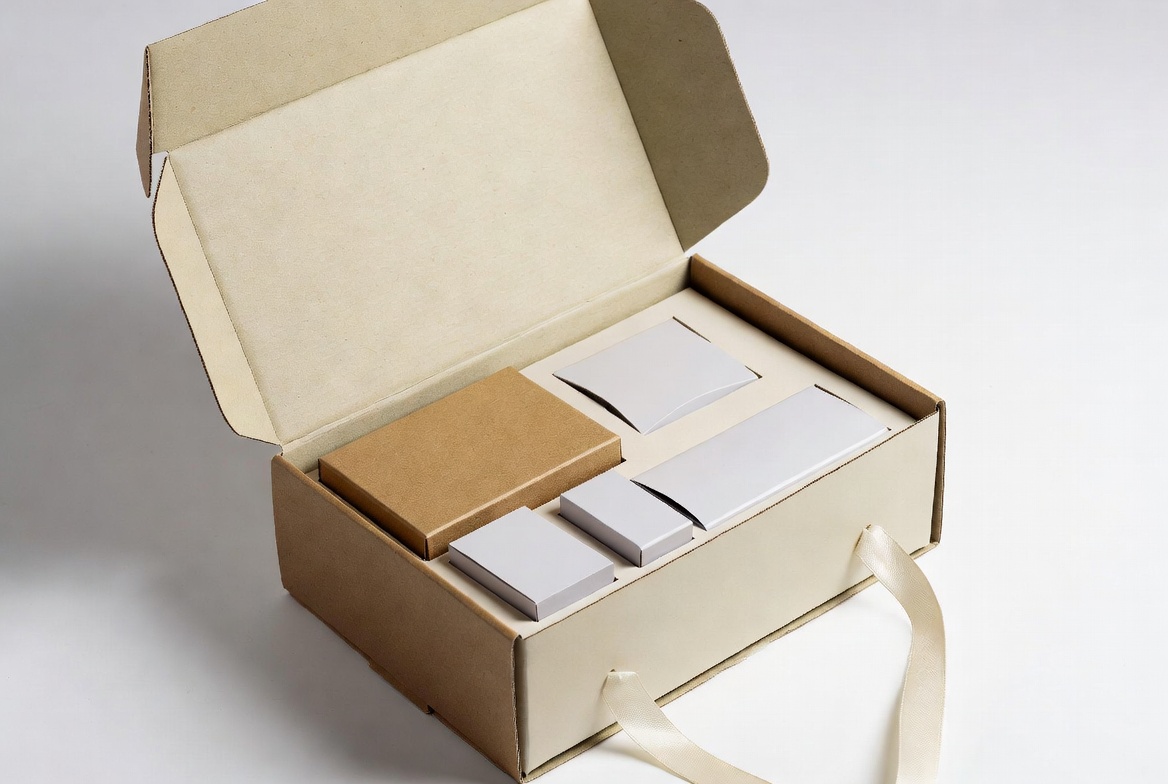
A rigid box is a non‑collapsible, high‑strength paperboard box made from thick greyboard or chipboard, wrapped with printed or specialty paper. It keeps its shape permanently, often with crisp edges, high structural stability, and an overall luxury look and feel. Typical forms include lift‑off lid boxes, book‑style boxes, shoulder boxes, hinged lid boxes, and drawer boxes. [meiyinpackaging]
- Thick paperboard (often 1.5–3 mm) for a solid hand feel. [hdpk]
- Non‑collapsible structure that arrives pre‑assembled. [hdpk]
- Wide compatibility with specialty papers, foils, embossing, and textured finishes. [crownwinbox]
- High dimensional stability that protects fragile or premium products. [meiyinpackaging]
From a user experience perspective, rigid boxes behave like a keepsake container: they are often reused and stored, extending the brand experience far beyond the initial unboxing. [deprintedbox]
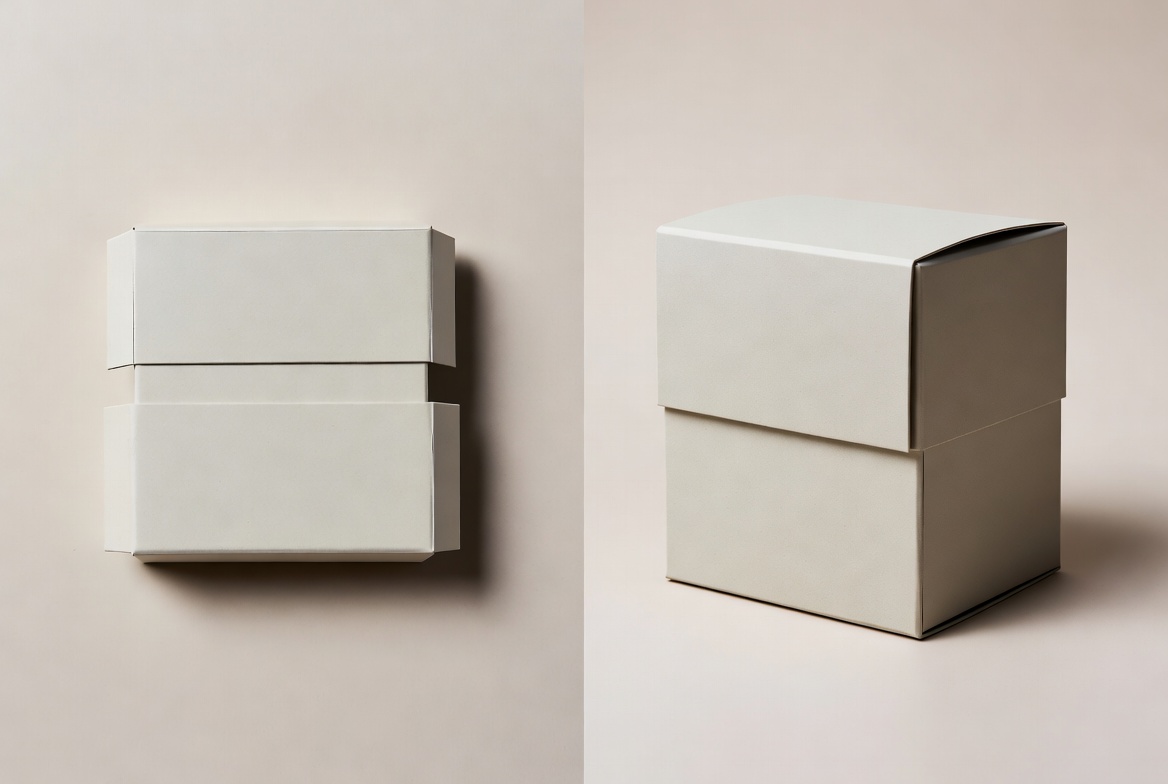
A foldable gift box (or collapsible rigid box) is engineered to flatten for transit and storage, then be assembled into a rigid‑like structure just before use. It typically uses strong paperboard panels connected by pre‑creased joints, glue points, or magnets that lock the box into a 3D form. [hktdc]
- Collapsible design that significantly reduces shipping volume and warehousing space. [jyluxeprinting]
- Pre‑creased panels that allow quick manual or semi‑automatic assembly. [hktdc]
- Many design options including magnetic closure, ribbon closure, or self‑locking structures. [jyluxeprinting]
- Comparable print and finishing options to classic rigid boxes, but with more focus on space‑saving performance. [deprintedbox]
From the customer side, foldable boxes can still feel premium, especially with magnetic lids and thick boards, but they subtly communicate smart efficiency and modern sustainability. [hktdc]
| Aspect | Rigid Boxes | Foldable Boxes |
|---|---|---|
| Structure | Fixed, non‑collapsible body. (hdpk) | Collapsible panels that assemble into shape. (jyluxeprinting) |
| Visual impression | Strong luxury, gift‑like presence. (meiyinpackaging) | Modern, space‑savvy premium feel. (jyluxeprinting) |
| Protection & durability | Excellent impact resistance and product protection. (meiyinpackaging) | Good protection; depends on design and board thickness. (jyluxeprinting) |
| Storage & logistics | Higher volume in transit and warehousing. (deprintedbox) | Significantly reduced shipping and storage volume. (jyluxeprinting) |
| Assembly at destination | None; arrives ready to use. (hdpk) | Requires folding and assembly. (jyluxeprinting) |
| Brand reuse potential | High; often reused as a keepsake box. (meiyinpackaging) | Moderate; reuse depends on assembly stability. (jyluxeprinting) |
| Best for | Luxury cosmetics, jewelry, tech, high‑value gifts. (meiyinpackaging) | E‑commerce, subscription boxes, cross‑border gifts. (jyluxeprinting) |

From an industry expert perspective, the unboxing experience can be broken down into four emotional stages: anticipation, revelation, interaction, and retention. [jinhaoxy]
1. Anticipation
Customers form initial expectations based on external packaging: weight, texture, and structural presence. Rigid boxes excel here because their solid body, clean edges, and weight immediately suggest high value. Foldable boxes perform well when paired with premium papers and magnets, but may feel slightly lighter and more minimal. [jinhaoxy]
2. Revelation
This is the precise moment when the lid opens or the drawer slides. Lift‑off rigid lids, drawer structures, and book‑style openings create a ceremonial feel that amplifies perceived product value. Foldable boxes can still provide a satisfying "magnetic click" or ribbon opening, but the drama depends heavily on closure design. [meiyinpackaging]
3. Interaction
Customers touch internal components: trays, inserts, tissue, foam, or compartments. Rigid boxes offer more stable support for heavy inserts and multi‑layer presentation, making it easier to stage complex brand narratives inside the packaging. Foldable boxes can incorporate die‑cut cardboard inserts effectively, but their walls have slightly more flex, which changes the tactile experience. [jyluxeprinting]
4. Retention
After unboxing, customers decide whether to keep or discard the box. Rigid boxes often serve as storage for accessories, stationery, or cosmetics, extending your brand's visibility on desks and shelves. Foldable boxes are more likely to be recycled quickly, which is positive for sustainability but less helpful for long‑term brand presence. [jinhaoxy]
From a manufacturing and supply‑chain view, the unboxing experience cannot be separated from logistics, cost, and environmental performance. [deprintedbox]
- Rigid boxes occupy full volume from factory to warehouse to store, raising shipping and storage costs, especially for international trade and cross‑border e‑commerce. [deprintedbox]
- Foldable boxes ship flat, allowing brands to reduce freight volume and minimize warehouse space, which is vital for subscription services and seasonal campaigns. [hktdc]
- Rigid boxes typically have higher unit costs due to thicker board, manual operations, and full assembly. [hdpk]
- Foldable boxes reduce logistics costs and can provide better overall cost efficiency at scale, even if per‑unit production remains relatively premium. [jyluxeprinting]
- Both box types can be manufactured from FSC‑certified boards and recyclable papers. [jyluxeprinting]
- Foldable structures reduce transportation emissions by minimizing unused air in cartons, a key sustainability metric for global brands. [hktdc]
Rigid boxes and foldable boxes can both support high‑impact branding; the difference lies in structural freedom and user assembly. [meiyinpackaging]
- Excellent feasibility for complex multi‑piece structures (drawer plus shoulder, double‑door magnetic boxes, nested boxes).[] [crownwinbox]
- Reliable alignment for hot foil, spot UV, and deep embossing on rigid panels. [crownwinbox]
- Strong compatibility with heavy inserts and multi‑layer product staging, essential for luxury sets or limited‑edition launches. [meiyinpackaging]
- Smart engineering solutions that combine collapsibility with a premium magnetic closure. [hktdc]
- Good suitability for global campaigns where flat shipping and local assembly are required. [jyluxeprinting]
- Adaptable formats for DTC brands that need to iterate size and artwork frequently. [deprintedbox]
There is no single winner; the better unboxing experience comes from aligning box type with product category, brand positioning, and logistics strategy. [jinhaoxy]
Rigid boxes are ideal when:
- Your core message is luxury, heritage, or craftsmanship.
- Products are high‑value, fragile, or purchased as gifts (jewelry, watches, high‑end cosmetics, premium electronics). [meiyinpackaging]
- You want the box to become part of the product's ongoing usage, not just its delivery. [meiyinpackaging]
Foldable boxes are ideal when:
- You prioritize cross‑border shipping, warehouse efficiency, and fast scaling. [hktdc]
- You operate subscription or e‑commerce models where packaging cost must be balanced with margins. [jyluxeprinting]
- Your brand story emphasizes intelligent design, sustainability, and modern minimalism. [deprintedbox]
In B2B projects, packaging manufacturers often recommend a hybrid approach: using rigid boxes for flagship SKUs or VIP sets, and foldable boxes for broader, high‑volume campaigns. [meiyinpackaging]
Packaging specialists with more than a decade of production experience tend to focus on three practical levers when optimizing unboxing: structure, materials, and inserts. [hdpk]
- Structure tuning
For rigid boxes, subtle changes in lid height, shoulder thickness, and opening angle can dramatically improve the "ceremony" of unboxing. For foldable boxes, improving magnetic strength and fold tolerance avoids misalignment and ensures a crisp click when the lid closes. [jinhaoxy]
- Material selection
Upgrading outer paper from standard coated stock to textured, uncoated, or specialty paper yields a more tactile and memorable first touch, especially for rigid boxes. For foldable boxes, choosing slightly thicker board balances structural strength with foldability. [crownwinbox]
- Insert engineering
Rigid structures support complex foam, EVA, or multi‑layer cardboard inserts that present products like display pieces. Foldable boxes work well with die‑cut cardboard or molded pulp that improve sustainability while stabilizing the product. [hktdc]
Manufacturers that combine precise engineering, stable supply chains, and consultative design support typically deliver more consistent unboxing outcomes across global markets. [hdpk]
From a B2B packaging and brand strategy standpoint, the following steps help teams make a data‑driven decision:
1. Clarify brand positioning
Define whether your primary identity is luxury‑focused, efficiency‑driven, or sustainability‑centric. Map each product line to that positioning. [jinhaoxy]
2. Audit logistics and cost constraints
Calculate target packaging cost per unit, acceptable shipping volume, and preferred warehousing model. High freight costs favor foldable structures; high product value favors rigid. [deprintedbox]
3. Analyze product risk and gift‑worthiness
Evaluate fragility, weight, and the role of gifting in your sales mix. Gift‑heavy product lines usually benefit from rigid boxes with strong presentation. [meiyinpackaging]
4. Prototype both structures
Develop sample rigid and foldable boxes with consistent graphics and finishes, then run internal UX tests. Compare user feedback on perceived value, ease of opening, and likelihood of reuse. [hdpk]
5. Scale with tiered packaging
Use rigid boxes for hero SKUs, gift sets, or limited editions, and foldable boxes for everyday orders and subscription shipments. [jyluxeprinting]
For e‑commerce brands, packaging directly influences ratings, repeat purchases, and user‑generated content. [jinhaoxy]
- Rigid boxes tend to generate more "wow" comments, higher chances of social media unboxing videos, and positive feedback on perceived quality. [jinhaoxy]
- Foldable boxes often receive praise for eco‑friendly design, smart use of space, and clean minimal aesthetics, especially among sustainability‑conscious customers. [hktdc]
If your growth strategy relies heavily on influencer collaborations and unboxing content, rigid boxes usually deliver a stronger on‑camera presence, while foldable boxes can be showcased as a clever, responsible design choice. [deprintedbox]
Rigid boxes vs foldable boxes is not a binary choice; it is a strategic alignment between packaging, customer expectations, and long‑term brand experience. Rigid boxes create a deeper sense of luxury and gift value, while foldable boxes deliver superior logistics and sustainability without fully sacrificing premium perception. The best unboxing experience comes when brands consciously link structure, materials, and inserts to their core narrative and operational realities. [hdpk]
If you are planning a new product launch, seasonal campaign, or cross‑border expansion, now is the right time to revisit your packaging structures. Work with an experienced paper packaging manufacturer to prototype both rigid and foldable solutions, test real customer reactions, and select the structure that maximizes perceived value while protecting your margins and sustainability goals. [hdpk]
A packaging partner with long‑term experience in custom rigid boxes and foldable gift boxes can help you turn everyday deliveries into memorable, share‑worthy unboxing moments. [hdpk]
1. Are rigid boxes always better for luxury products?
Rigid boxes usually deliver a stronger sense of luxury thanks to thicker board, solid structure, and more dramatic lid or drawer openings. However, high‑quality foldable boxes with magnetic closures and specialty papers can still achieve a premium look when logistics efficiency is a priority. [jinhaoxy]
2. Do foldable boxes compromise product protection?
Well‑designed foldable boxes using sufficiently thick boards and proper inserts can protect most retail products effectively. For very fragile or high‑value items, rigid structures typically offer more dependable impact resistance and stability. [jyluxeprinting]
3. Which box type is more sustainable?
Both rigid and foldable boxes can use recyclable boards and papers and comply with sustainability standards. Foldable structures tend to reduce transportation emissions due to lower shipping volume, which improves overall environmental performance in large‑scale campaigns. [hktdc]
4. How does box type affect shipping costs?
Rigid boxes increase shipping costs because they occupy their full 3D volume from factory to destination. Foldable boxes ship flat, allowing brands to optimize container loading and reduce freight costs, especially in international trade. [deprintedbox]
5. Can one brand use both rigid and foldable boxes?
Yes. Many brands adopt a tiered strategy, using rigid boxes for flagship products, VIP sets, and gifting, and foldable boxes for regular e‑commerce orders and subscription deliveries. This mix balances unboxing impact with logistics efficiency. [meiyinpackaging]
1. Shanghai DE Printed Box – Rigid paper box overview. [https://www.deprintedbox.com/rigid-paper-box.php]
2. JYLUXE Printing – Custom rigid folding boxes and foldable packaging solutions. [https://www.jyluxeprinting.com/category/custom-rigid-folding-boxes.html]
3. Huahui Printing – Custom foldable magnetic rigid box product description. [https://www.hktdc.com/event/hkgiftspremiumfair/en/product/1Z03PBOQ6]
4. Meiyin Packaging – Custom two‑piece rigid boxes and luxury packaging applications. [https://meiyinpackaging.com/product/custom-two-piece-boxes/]
5. HDPK – Custom rigid box production and structural features. [https://hdpk.com/packaging-product/custom-paper-boxes/custom-rigid-boxes/]
6. Crown Win Box – High‑end rigid box design concepts and finishes. [https://www.crownwinbox.com/with-5-high-end-hard-box-design-concepts.html]
7. Jinhao Packaging – Rigid gift box buyers' guide and closure types. [https://jinhaoxy.com/blog/rigid-gift-box-buyers-guide/]


