
Views: 222 Author: Maituohong Packaging Publish Time: 2026-06-11 Origin: Site


Content Menu
● Why Sustainable, Minimalist Packaging Dominates in 2026
● Emerging Technologies Powering Smarter Packaging
>> Smart Packaging: QR Codes, NFC, and Transparency
● Eco-Friendly Materials: From Theory to Production Reality
>> Biodegradable and Compostable Paper-Based Options
>> Circular Design and Closed-Loop Systems
● Minimalist Packaging Design: "Less but Better"
>> Monochrome, Negative Space, and Tactile Surfaces
>> Minimal Text, Maximum Clarity
● Regulatory Pressure: Turning Compliance into Differentiation
>> Government Guidelines and EPR Frameworks
● Consumer Expectations: Personalization, Convenience, and Authenticity
>> Customization Without Complicating the Supply Chain
>> Convenience-Driven Features in Paper Packaging
● Expert Perspective: What We See on the Factory Floor (Maituohong's View)
● Practical Roadmap to Launch Sustainable Minimalist Packaging
>> Step 1: Define the Role of Packaging
>> Step 2: Align Materials with Your Sustainability Story
>> Step 3: Design for Minimalism and Manufacturability
● Case-Style Scenario – From Over-Packaged to Minimalist Rigid Box
● Simple Table: Key 2026 Packaging Trends and How Paper Boxes Fit
● CTA: Partner with a Specialist Manufacturer in 2026
● Frequently Asked Questions (FAQ)
Sustainable, minimalist packaging has moved from "nice-to-have" to a core buying driver in 2026, especially for brands using custom paper boxes and rigid gift packaging. As a paper packaging manufacturer with over 18 years of experience, Maituohong Packaging sees every day how smart design, premium materials, and eco-conscious choices translate directly into higher perceived value and repeat orders. [atlasmoldedproducts]
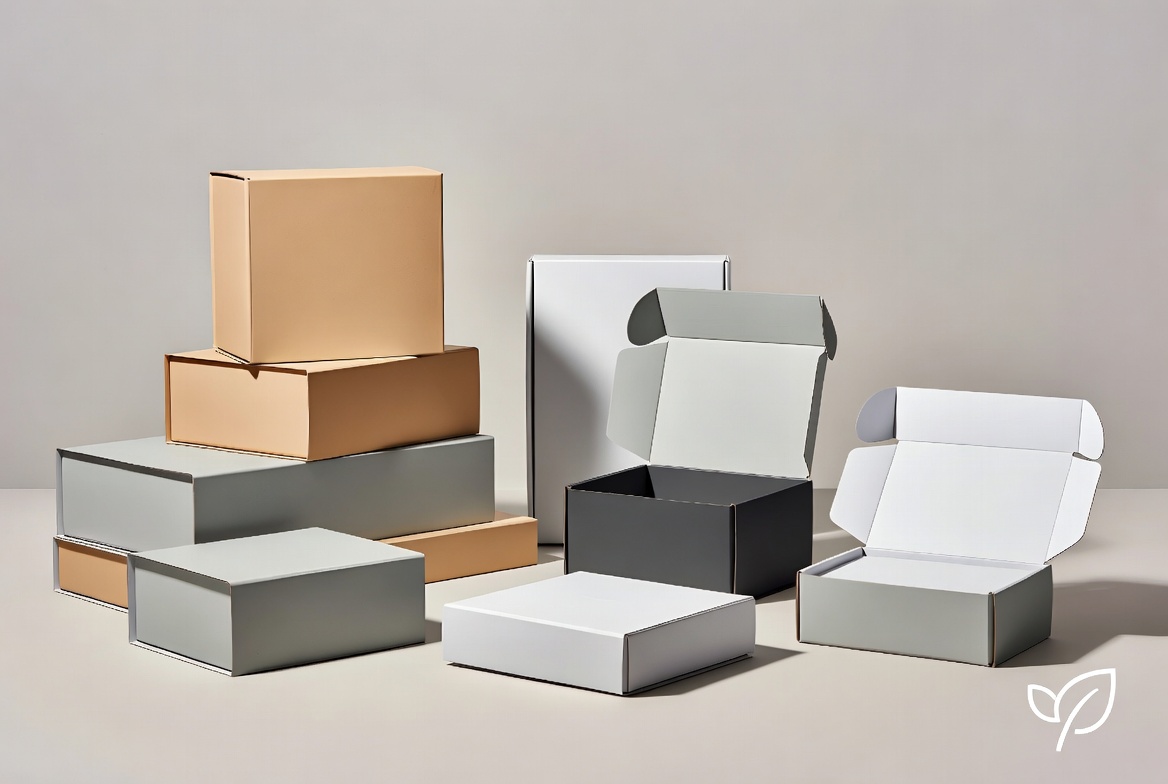
Consumers are no longer impressed by oversized boxes and excessive plastic—they want less waste, more meaning, and honest materials. Surveys across FMCG and e‑commerce show that eco-friendly packaging positively influences purchase decisions and brand loyalty, especially in beauty, electronics, and premium food. [zh.westrock]
For brands, this shift creates a clear opportunity: by combining sustainable substrates (like FSC-certified paperboard) with minimalist, user-centric design, you can cut costs, reduce environmental impact, and build a stronger brand image at the same time. [berlinpackaging]
Technology is reshaping how packaging is designed, produced, and experienced, and sustainable brands are using it to add value without adding waste. Automation, digital printing, and connected features are no longer "future talk" – they are becoming standard, even for mid-sized brands. [atlasmoldedproducts]
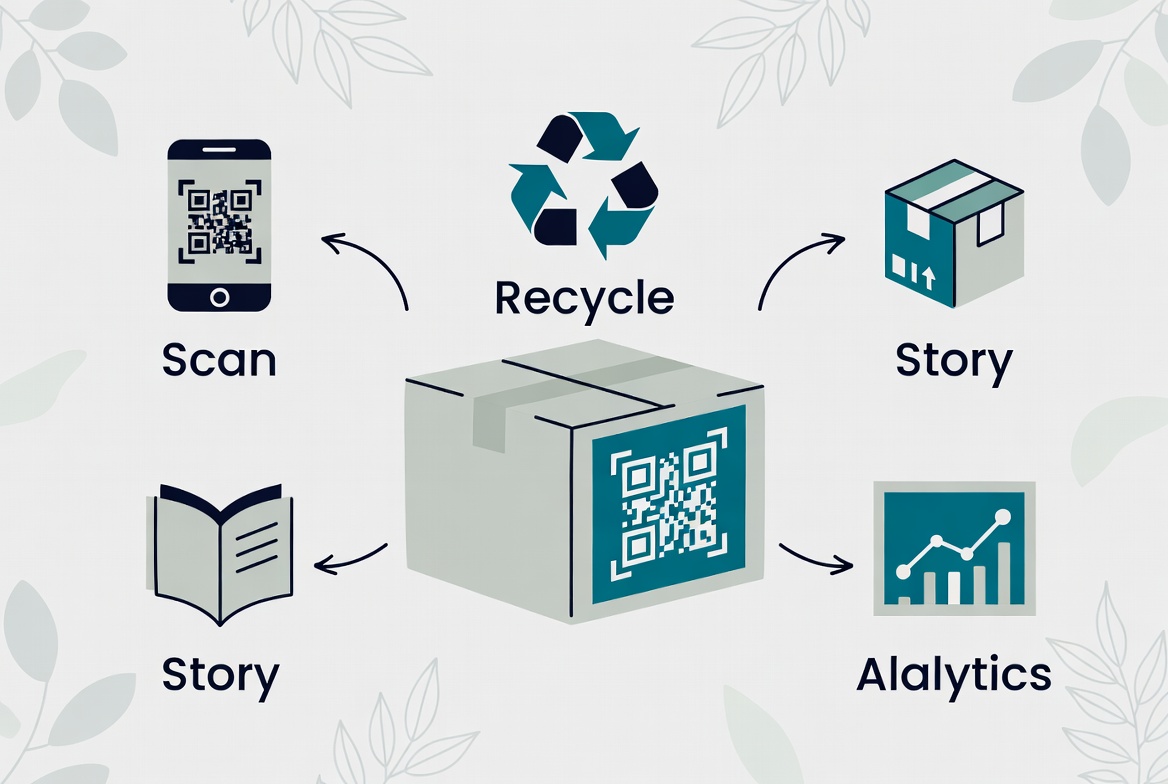
Smart packaging uses tools like QR codes, NFC tags, and serialized graphics to deliver extra value without more physical material. For example: [atlasmoldedproducts]
- QR codes link to recycling instructions, unboxing videos, or authenticity verification.
- NFC tags in luxury rigid boxes authenticate high-value goods or unlock VIP content.
- Dynamic print codes support batch tracking and supply chain transparency.
These features elevate the unboxing experience and build trust, while still aligning with minimalist, clean exteriors that avoid visual clutter. [berlinpackaging]
Sustainability in packaging is no longer just about a green logo—it's about material choices, sourcing, and end-of-life. Paper-based substrates now play a central role as brands move away from hard-to-recycle plastics. [zh.westrock]
Many brands are shifting to biodegradable and compostable materials, including recycled paperboard, molded fiber, and plant-based coatings, to reduce landfill waste and meet tightening regulations. When designed correctly, these materials maintain structural integrity for rigid boxes while still supporting responsible disposal. [zh.westrock]
At Maituohong Packaging, we see growing demand for:
- Recycled grayboard cores wrapped in premium printed paper for gift boxes.
- Uncoated kraft and FSC-certified boards for "natural" or artisanal brands.
- Plastic-free inserts using corrugated or molded fiber instead of foam. [maituohong.en.alibaba]
Recyclability is a centerpiece of modern packaging strategies, especially for markets operating under extended producer responsibility (EPR) schemes. Brands increasingly request mono-material designs—rigid paper boxes without mixed plastics, metal hardware, or magnets—to simplify recycling and support closed-loop systems. [berlinpackaging]
Designers reduce or eliminate:
- Metal clasps and rivets, replacing them with paper locking structures.
- Laminated plastic films, opting for water-based coatings where possible.
- Multi-material inserts, switching to folded paper or molded fiber cradles. [atlasmoldedproducts]
Minimalism has become shorthand for both aesthetic sophistication and sustainability consciousness. Done well, it enhances perceived value while using fewer resources. [berlinpackaging]
Modern minimalist packaging often leans on:
- Monochromatic or dual-tone palettes with high contrast or subtle tonal shifts.
- Plenty of negative space, allowing the brand mark or product name to stand out.
- Tactile elements like soft-touch paper, linen-textured wraps, or embossed logos instead of heavy graphics. [berlinpackaging]
For rigid gift boxes, this design language signals luxury while staying aligned with eco-conscious values, especially when combined with visible paper textures and minimal ink coverage. [zh.westrock]
Minimalist design is not only about how packaging looks but also how clearly it communicates. Customers want to quickly understand:
- What the product is
- Why it's different
- How to use or recycle it
Clean typography, short copy blocks, and one clear hierarchy of information create a more user-friendly unboxing journey, especially on small-format boxes where space is limited. [ecodrive]
Governments worldwide continue to introduce regulations to reduce packaging waste and increase recyclability, especially in Europe and parts of North America. These rules are accelerating the shift toward paper-based and mono-material solutions. [atlasmoldedproducts]
Policies encouraging recyclable and biodegradable materials push brands to phase out unnecessary plastics, mixed materials, and non-recyclable laminates. For exporters and international e‑commerce brands, complying with global standards is now a commercial necessity, not an optional branding choice. [zh.westrock]
Manufacturers like Maituohong help brands navigate this by:
- Proposing alternative structures that meet both aesthetic and recyclability requirements.
- Suggesting paper-based replacements for plastic windows, trays, or handles.
- Advising on material combinations that align with major recycling streams. [maituohong.en.alibaba]
Modern consumers expect packaging to be personal, practical, and honest—and they are quick to voice dissatisfaction in reviews when brands fall short. Positive comments often highlight packaging that feels thoughtful yet simple, protects the product, and is clearly recyclable. [atlasmoldedproducts]
Personalization does not have to mean complex production batches. With digital printing and modular box structures, brands can: [ecodrive]
- Run small-batch seasonal designs on a common box size.
- Add localized or language-specific messaging on just one panel.
- Use variable data printing for names, messages, or QR codes.
This approach keeps the structural design lean and scalable, while still delivering a memorable unboxing moment that customers mention in reviews and social media.
Convenience remains a critical UX driver, especially for e‑commerce and subscription products. Even with minimalist design, customers appreciate features such as:
- Easy-open tear strips on mailer boxes.
- Magnetic or ribbon closures on rigid gift boxes that allow repeated opening.
- Stackable structures that store well and protect contents during shipping.
When these elements are engineered in paper rather than plastic, brands achieve both convenience and sustainability.
From Maituohong Packaging's day-to-day work with brands across beauty, electronics, food, and gifting, several patterns are consistent with global trend reports. [instagram]
Most requested directions in 2025–2026:
- Rigid paper gift boxes with minimalist branding (logo + 1–2 colors).
- Custom box sets designed for re-use (e.g., storage boxes) to extend life.
- Plastic-free interiors, especially for cosmetics and premium foods.
Brands that invest in structural design and premium paper often discover they can simplify graphics, reduce embellishments, and still achieve a high-end look—while lowering total material usage per unit.
To turn these trends into a real packaging project, brands need a clear, step-by-step process that balances marketing goals, cost, and manufacturability.
Start by clarifying what your packaging must accomplish:
1. Choose your primary goal: protection, premium branding, gifting, or logistics efficiency.
2. Map key channels: retail shelf, e‑commerce shipping, subscription box, or cross-border export.
3. Decide whether the box should be kept and reused or simply recycled after use.
These decisions steer structural choices and material specs from the beginning.
Work with your packaging manufacturer to select substrates that match both your brand narrative and your target market's recycling infrastructure. Discuss: [zh.westrock]
- Minimum recycled content in the paperboard core.
- Certification needs (e.g., FSC) for specific markets.
- Acceptable trade-offs between durability, finish, and recyclability.
A good rule of thumb: start with the simplest mono-material solution that meets protection and aesthetic requirements before adding complexity.
When designing minimalist packaging:
- Limit your color palette (often 1–3 colors is enough).
- Use typography and layout as your main design "tools" instead of heavy graphics.
- Check with your manufacturer early to confirm printability, color consistency, and tolerance on glue flaps, folds, and edges.
This approach reduces waste in both production and inventory (fewer SKUs, fewer reprints), while delivering a cleaner unboxing experience.
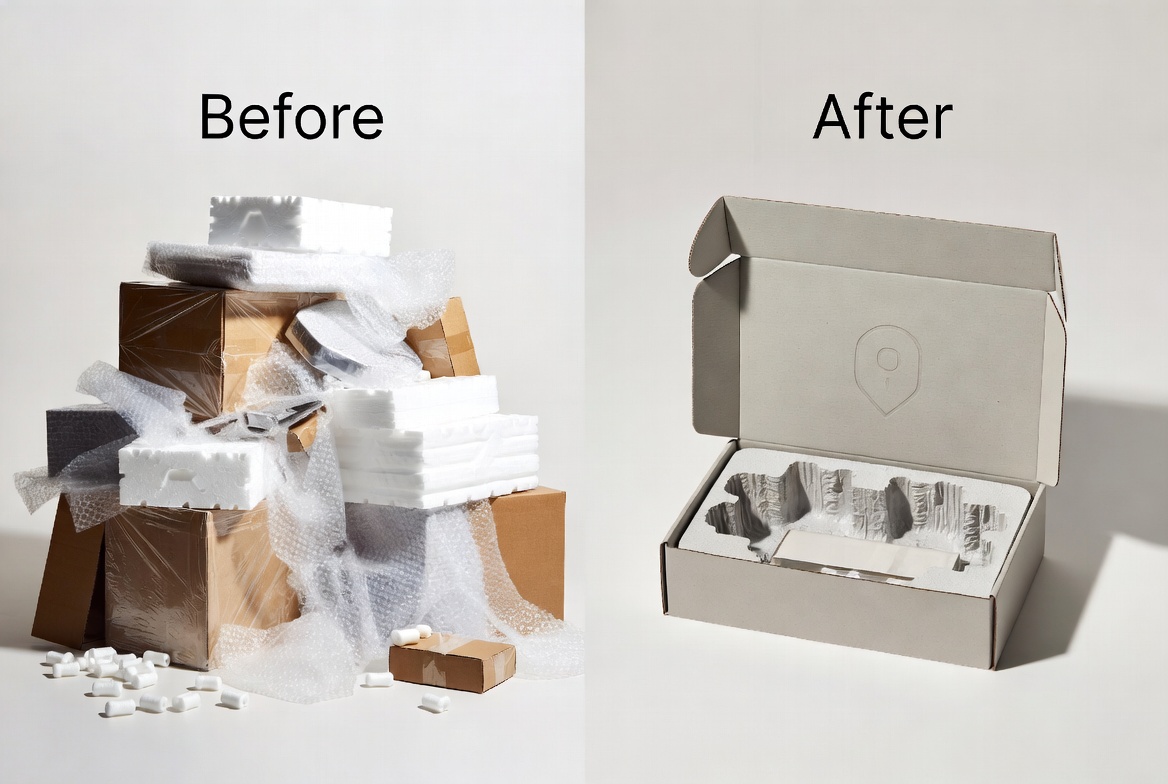
Consider a mid-range cosmetics brand that initially ships serums and creams in multi-layer packaging: an inner plastic tray, a glossy laminated box with metallic ink, and an outer shipping mailer.
By working with a paper packaging partner:
- The brand consolidates product and gifting into a single robust rigid box with a molded paper insert instead of plastic. [zh.westrock]
- The exterior design is simplified to one brand color, a debossed logo, and minimal copy, leveraging premium textured paper to maintain a luxe feel. [berlinpackaging]
- Material usage and SKUs decrease, shipping weight drops slightly, and the brand is now able to highlight its recyclable, plastic-free packaging in marketing.
Customer reviews begin to mention the "beautiful but not wasteful" box as a reason to gift the product and repurchase, turning packaging into an organic marketing asset.
| Trend | What It Means in 2026 | Role of Custom Paper & Rigid Boxes |
|---|---|---|
| Sustainable materials | Shift from plastics to recyclable / biodegradable substrates. (atlasmoldedproducts) | FSC paperboard, recycled cores, mono-material box structures. (zh.westrock) |
| Modern minimalism | Clean aesthetics, fewer components, more negative space. (atlasmoldedproducts) | Simple rigid boxes with subtle branding and tactile paper. (berlinpackaging) |
| Smart & interactive packaging | Use of QR, NFC, and dynamic codes for information and storytelling. (atlasmoldedproducts) | Printed codes on box panels without extra physical materials. (atlasmoldedproducts) |
| Regulatory compliance | EPR, recyclability, and material disclosure rules tightening. (atlasmoldedproducts) | Paper-based designs that meet global recycling standards. (zh.westrock) |
| Convenience & reuse | User-friendly, re-usable, easy-to-open structures. (berlinpackaging) | Magnetic or ribbon-closure rigid boxes designed for long-term use. |
If your brand is planning a packaging refresh for 2026 and beyond, this is the right moment to move toward sustainable, minimalist, paper-based solutions.
As a custom paper packaging manufacturer with 18+ years of experience, Maituohong Packaging can help you:
- Redesign existing packaging into eco-friendly, mono-material rigid boxes.
- Translate your brand story into clean, modern minimalist designs.
- Align your packaging with global sustainability regulations and consumer expectations.
Ready to upgrade your packaging for 2026?
Collaborate with Maituohong Packaging to develop sustainable, minimalist paper packaging that protects your products, elevates your brand, and supports your ESG commitments.
1. Why is sustainable minimalist packaging so important in 2026?
Because consumers, regulators, and retailers are all pushing for less waste, more recyclability, and transparent sourcing, sustainable minimalist packaging directly influences purchasing decisions and brand perception. [atlasmoldedproducts]
2. Is minimalist design only suitable for luxury brands?
No. While minimalism is popular in premium segments, its focus on clarity and reduced materials also makes it ideal for mass-market and e‑commerce brands seeking cost efficiency and a clean, modern look. [berlinpackaging]
3. How can I make my rigid gift boxes more eco-friendly without losing a premium feel?
Use certified paperboard, minimize or eliminate plastics and metal fittings, choose textured papers, and rely on embossing or spot color instead of heavy coatings or complex foils. [zh.westrock]
4. What role do QR codes and smart features play in minimalist packaging?
They let you move detailed information—such as instructions, brand stories, or sustainability data—off the physical box and into digital experiences, keeping the exterior clean while enriching the customer journey. [atlasmoldedproducts]


