
Views: 287 Author: Maituohong Packaging Publish Time: 2026-08-08 Origin: Site


Content Menu
>> Why Brands Choose Book Style Packaging
>> Common Magnetic Box Designs
>> Why Brands Choose Magnetic Closure Boxes
● Book Style Boxes vs. Magnetic Boxes: Detailed Comparison
>> Opening Experience and Brand Storytelling
>> Structural Strength and Product Protection
>> Production Complexity and Cost Factors
● How to Choose the Right Rigid Box
>> Choose a Book Style Box When
>> Consider a Hybrid Book Style Magnetic Box
● Practical Design and Sourcing Checklist
>> Expert Manufacturing Insight: Focus on Tolerance
● Create Packaging That Fits the Product
>> Is a book style box the same as a magnetic box?
>> Which is better for luxury gift packaging?
>> Are magnetic boxes suitable for shipping?
>> Can book style boxes include custom inserts?
>> Which box is more sustainable?
>> Can magnetic boxes be made collapsible?
>> What finishing options work well for both box types?
Book style boxes and magnetic boxes are both premium rigid packaging formats, but they solve different presentation and functional needs. The most important distinction is that a book style box describes the opening structure, while a magnetic box describes the closure mechanism.
For brand owners, this difference matters. A book style rigid box creates a story-led, editorial unboxing experience. A magnetic closure box delivers a clean, modern reveal with a satisfying and secure closing action. In many custom projects, the two features can also be combined into one high-end packaging solution.
At Maituohong Packaging, we have spent more than 18 years producing custom rigid paper boxes for gift, cosmetics, jewelry, apparel, electronics, wine, and promotional applications. From a manufacturing perspective, the right choice is not simply about appearance. It depends on your product weight, insert layout, shipping method, brand personality, target cost, and desired customer experience.
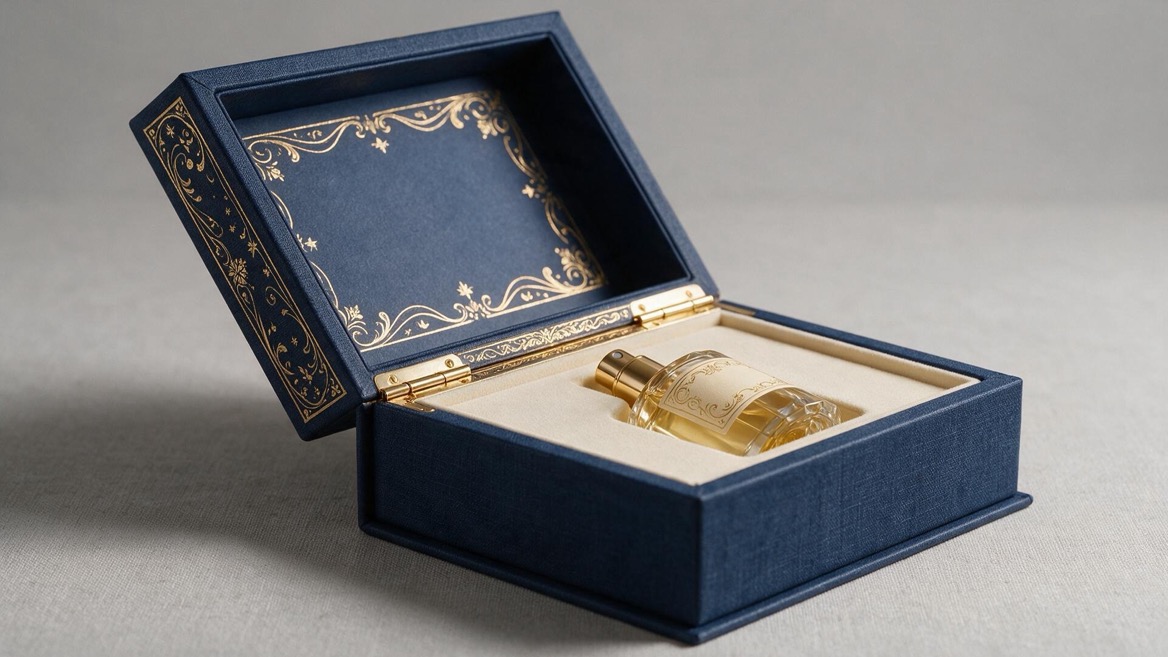
A book style box is a rigid box that opens on a hinged spine, similar to a hardcover book. Its outer cover is connected to the base tray through a paper or fabric-wrapped hinge. The lid usually opens to the left or right, although vertical-opening versions are also possible.
This structure is often called a book-shaped box, book-style rigid box, or hinged presentation box. It is especially effective when a brand wants the package to feel like a story, album, collectible case, or premium invitation.
A typical custom book style box includes:
- A rigid greyboard base tray
- A hinged outer cover
- A reinforced spine area
- Wrapped specialty paper, textured paper, art paper, or fabric
- Optional ribbon pull, sleeve, elastic band, or magnetic closure
- Custom insert for product positioning
The spine is the defining detail. It must be accurately measured, scored, wrapped, and tested. If the gap between boards is too narrow, the box may not open smoothly. If it is too wide, the cover can feel loose and reduce the premium effect.
Book style gift boxes are ideal for brands that want to create a more deliberate opening journey. Instead of immediately exposing the product, the cover opens like the first page of a story.
This format works particularly well for:
- Luxury gift sets
- Corporate welcome kits
- Limited-edition products
- Wine and spirits packaging
- Jewelry collections
- Fragrance discovery sets
- High-value documents and certificates
- Media kits and influencer mailers
- Premium tea, chocolate, and cultural gift boxes
A book style box can also hold multiple layers. For example, the inside cover may carry a brand message, while the base contains a foam insert, printed card, accessories, and the main product. This gives marketers more room to guide the recipient's attention.
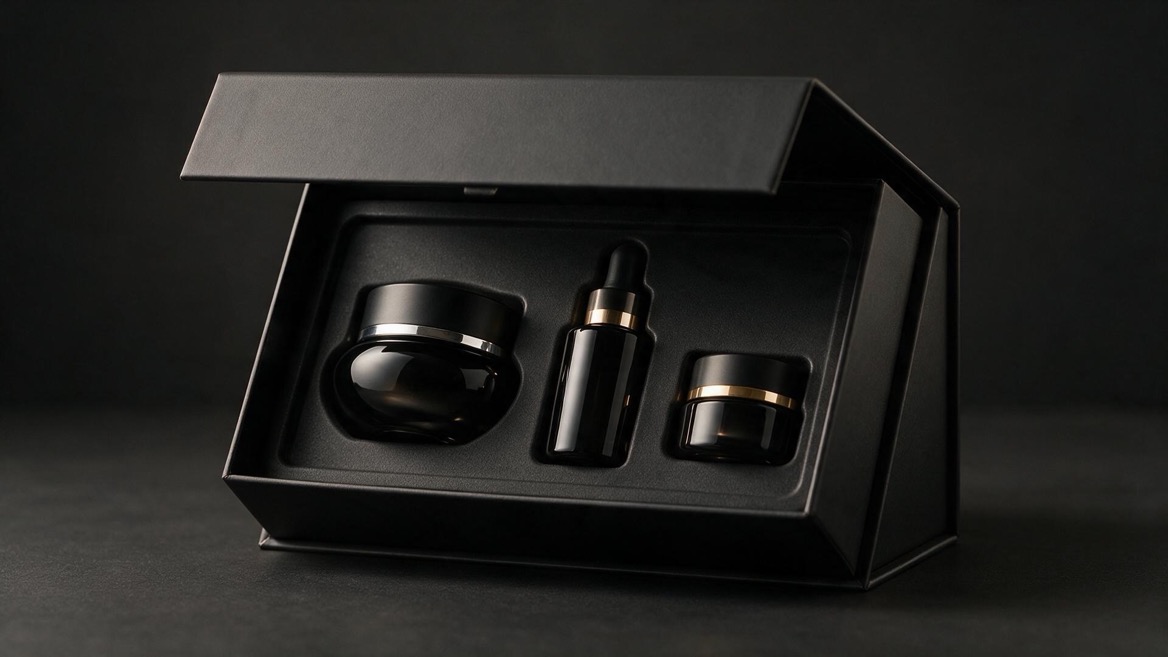
A magnetic box is a rigid packaging box that uses hidden magnets to keep its lid or flap securely closed. The magnets are usually embedded between the greyboard and the wrapping paper, creating a clean exterior without visible mechanical hardware.
When the lid closes, the magnetic attraction produces a controlled "snap." This small interaction can make an ordinary package feel more polished and valuable.
However, magnetic boxes are available in several structures. A magnetic closure can be added to a front-flap box, hinged-lid box, collapsible box, or even a book style box. Therefore, "magnetic box" is not always the direct opposite of "book style box."
The most common magnetic closure box formats include:
- Front-flap magnetic boxes: A lid folds over the front panel and closes with magnets
- Hinged-lid magnetic boxes: A top lid opens upward and closes onto the front wall
- Collapsible magnetic boxes: Flat-packed boxes with adhesive corners and magnetic front flaps
- Book style magnetic boxes: Book-opening rigid boxes with magnets inside the cover and base
- Magnetic gift boxes with ribbon: Boxes that combine hidden magnets with decorative ribbon closure
For modern retail brands, a front-flap magnetic box is often the most recognizable version. It has a balanced shape, a neat closure, and a broad printable surface for logos, foil stamping, patterns, and campaign graphics.
A custom magnetic box is a strong option when the desired impression is modern, minimal, and tactile. It is widely used for products that customers may keep and reuse after purchase.
Typical applications include:
- Skincare and beauty gift sets
- Premium electronics
- Fashion accessories
- Apparel and footwear
- Corporate gifts
- Subscription boxes
- Perfume and cosmetics
- Gourmet food gifts
- High-end stationery
- Promotional product kits
The closure also offers practical value. It helps prevent accidental opening during handling and gives the package a more finished appearance on a retail shelf or during direct delivery.
The following comparison helps clarify the practical differences between book style boxes and magnetic closure boxes.
| Feature | Book Style Boxes | Magnetic Boxes |
|---|---|---|
| Primary definition | A box structure with a hinged spine | A box with hidden magnetic closure |
| Main opening action | Opens sideways or vertically like a book | Usually opens upward or with a front flap |
| Key visual cue | Hardcover-book appearance | Clean flap and magnetic "snap" |
| Closure options | Ribbon, sleeve, elastic, magnet, or no closure | Built-in magnets are the central feature |
| Brand feeling | Editorial, ceremonial, collectible, storytelling-led | Modern, sleek, confident, luxury-led |
| Interior presentation | Excellent for layered inserts and printed inside covers | Excellent for direct product presentation and neat organization |
| Manufacturing focus | Spine spacing, hinge strength, wrap alignment | Magnet alignment, flap geometry, closing strength |
| Shipping format | Usually shipped assembled | Available assembled or collapsible |
| Best for | PR kits, wine, books, sets, heritage products | Cosmetics, apparel, electronics, corporate gifts |
| Reusability | Often reused as a keepsake or storage case | Often reused for home or office storage |
The biggest experiential advantage of a book style box is its narrative potential. The recipient opens a cover, sees an interior message, and then discovers the product. This makes it useful for launches where the brand wants to build anticipation.
For example, a premium tea brand may print the origin story and brewing notes inside the front cover, place tea tins in the base tray, and add a message card under the insert. The package becomes part of the brand experience rather than a simple container.
A magnetic box usually creates a faster reveal. The user lifts the lid or releases the flap, then the product is immediately visible. This is often better for brands that want a clean, direct, and contemporary presentation.
Both formats can use thick rigid greyboard and can provide excellent protection when properly engineered. The exact board thickness should depend on product weight, box size, and shipping conditions.
For a lightweight cosmetic set, a moderate rigid board may be sufficient. For a heavy wine bottle, electronics kit, or multiple-product gift set, the structure may need thicker board, reinforced corners, and a stronger internal insert.
Book style boxes provide a broad connected cover around the base, which can create a protective outer layer when closed. Magnetic boxes provide secure closure but require accurate magnet placement. Misaligned magnets can cause weak closure, uneven flaps, or visible bulging under the wrapping paper.
For either design, product protection should be evaluated as a complete system:
1. Determine product weight and dimensions.
2. Select suitable board thickness.
3. Choose an insert material that limits movement.
4. Test opening, closing, stacking, and transit performance.
5. Confirm that decorative finishes do not crack around folds or edges.
Neither box style has one fixed price. The final quotation depends on dimensions, board thickness, paper type, print coverage, finishing, insert material, order quantity, assembly requirements, and shipping method.
That said, the cost drivers differ.
For a book style box, cost commonly increases when the project requires:
- Large dimensions or heavy products
- Precision spine construction
- Multiple internal panels
- Full-cover special paper wrapping
- Complex inserts or compartments
- Magnets, ribbons, sleeves, or metal accessories
- Foil stamping, embossing, debossing, or textured finishes
For a magnetic closure box, cost commonly increases when the project requires:
- Stronger or multiple magnet pairs
- Tight lid-to-base tolerances
- Collapsible construction with adhesive assembly
- Large-format magnetic flaps
- EVA foam, molded pulp, or specialty inserts
- Premium lamination and decorative finishing
A useful rule is to avoid selecting a format based only on unit cost. A lower-cost box that fails to protect the product, does not match the brand, or creates a poor unboxing experience can be more expensive in the long term.
The most effective packaging decision begins with the product and customer journey, not with a visual trend.
Choose a custom book style box if your product benefits from a story-led or layered reveal.
It is particularly suitable when you need:
- A premium "open the cover" moment
- Space for brand storytelling inside the lid
- Multiple products arranged in sections
- A format that resembles a book, album, archive, or collectible
- Strong presentation for a launch, gift set, or media kit
- A design that can stay open flat during display
A book style structure is especially compelling for brands with heritage, craftsmanship, culture, education, or gifting at the center of their identity.
Choose a magnetic closure box if you want a streamlined package with a secure and satisfying close.
It is a strong choice when you need:
- A minimal, contemporary appearance
- Fast and easy opening for repeat use
- A secure flap without visible locks
- A collapsible option to reduce storage volume
- A flexible format for apparel, cosmetics, electronics, or corporate gifts
- Broad surfaces for premium branding treatments
For e-commerce-focused projects, a collapsible magnetic box may offer storage and shipping advantages before assembly. However, it should be evaluated carefully for heavier products, because pre-assembled rigid boxes usually provide stronger corner stability.
For many luxury projects, the best answer is not one format or the other. It is a book style box with a magnetic closure.
This hybrid structure combines the storytelling value of a hinged cover with the clean security of hidden magnets. It is often used for premium liquor, jewelry, high-end cosmetics, VIP gift sets, and limited-edition collections.
The design needs careful engineering. The magnets must close firmly without making the lid difficult to open. The spine must flex repeatedly without cracking. The insert must also hold the product securely without adding excessive pressure to the lid.
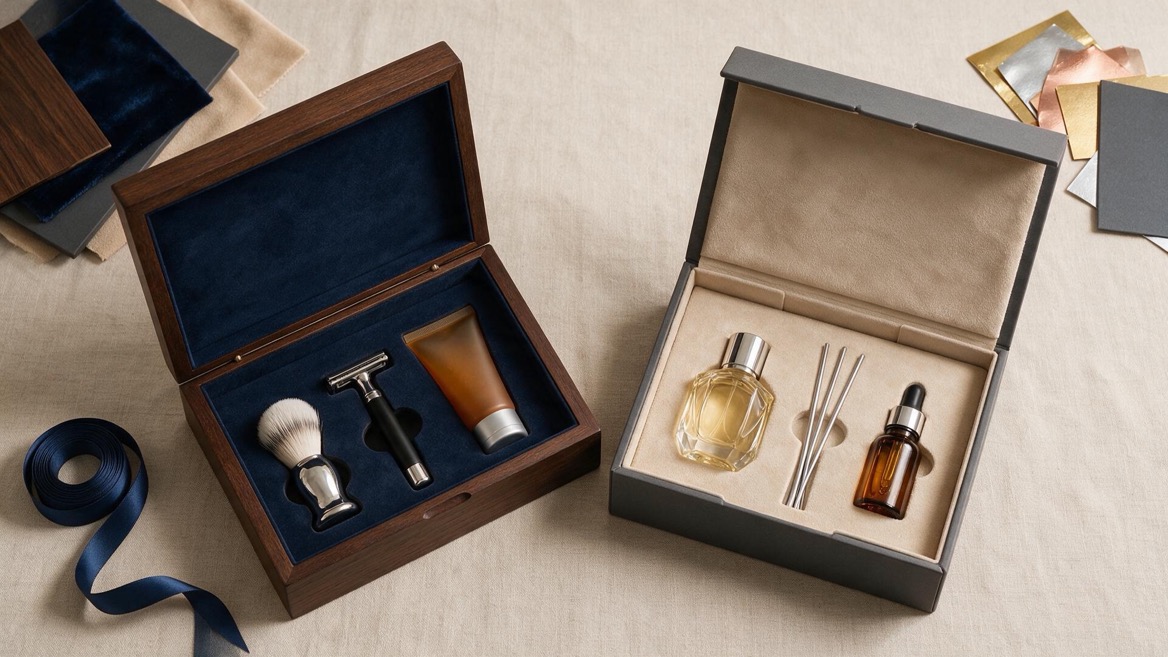
Before requesting a quotation for book style boxes or magnetic boxes, prepare the following information. This helps a packaging manufacturer recommend the correct structure and reduces avoidable revisions.
- Product dimensions, weight, and quantity per box
- Product photos or physical samples
- Desired box dimensions, if known
- Target market and delivery method
- Expected order quantity
- Preferred board, wrapping paper, and insert material
- Brand artwork, logo files, and color references
- Required finishes, such as foil stamping or embossing
- Whether the box should ship assembled or flat-packed
- Whether the product needs extra protection against vibration, pressure, or moisture
A prototype is valuable for high-end projects. It allows the brand team to check lid alignment, magnet strength, insert fit, print color, tactile quality, and user interaction before full production begins.
In luxury rigid packaging, small dimensional errors are highly visible. A slightly uneven lid, weak magnetic connection, cracked spine, or loose insert can reduce the perceived quality of an otherwise beautiful package.
For this reason, the following details should receive special attention during sampling:
- The lid should close evenly on both sides.
- Magnets should align without forcing the flap.
- Printed wrap paper should sit neatly around corners.
- Foil stamping should remain sharp and centered.
- The insert should secure the product without making removal difficult.
- The spine should open smoothly after repeated use.
The best premium packaging balances visual detail with real-world usability. A box should look exceptional in a product photo, but it must also protect the item, open naturally, and remain attractive after repeated handling.
The best choice between a book style box and a magnetic box comes down to the experience your brand wants customers to remember. Choose a book style box for storytelling, ceremony, and layered discovery. Choose a magnetic box for modern simplicity, confident closure, and everyday reusability.
Maituohong Packaging can help turn your product dimensions, brand concept, and budget requirements into a practical custom rigid box solution. Share your product details, target quantity, artwork, and packaging goals to begin a tailored structural recommendation and sampling plan.
No. A book style box refers to the hinged, book-like structure. A magnetic box refers to the closure method. A book style box can include magnets, but it can also close with ribbon, an elastic band, a sleeve, or no additional closure.
It depends on the intended experience. Book style boxes are better for storytelling, layered reveals, and collectible presentation. Magnetic boxes are better for a clean, modern, and tactile premium feel. A hybrid book style magnetic box can provide both benefits.
Yes, but the box should be designed according to product weight and transport conditions. For fragile or heavy items, use a secure insert, suitable board thickness, and an outer shipping carton. Collapsible magnetic boxes may require additional evaluation for corner strength.
Yes. They can use paperboard inserts, EVA foam, sponge foam, molded pulp, cardboard dividers, silk-covered trays, or custom compartments. The insert should be designed around the product's shape, weight, and removal experience.
The answer depends on the material specification and disposal route. Paper-based board, responsibly sourced wrapping paper, water-based inks, and recyclable inserts can improve material choices. Magnetic components may complicate recycling in some locations, so brands should consider whether a non-magnetic closure or easily removable magnet design is appropriate.
Yes. Foldable magnetic boxes can be supplied flat to save warehouse space and reduce transportation volume before assembly. They are popular for apparel, gift sets, and e-commerce fulfillment, although the intended product weight should be confirmed before selecting this structure.
Popular options include matte lamination, soft-touch lamination, gloss lamination, hot foil stamping, embossing, debossing, spot UV, textured paper, colored edge painting, ribbon pulls, and custom printed interiors.
1. [Custom Rigid Boxes — "Book Style Boxes vs Magnetic Boxes: The Differences in Detail"] [customrigidboxes]
2. [Seven Rainbow Packaging — "10 Types of Rigid Boxes: A Complete Guide for Premium Packaging"] [sevenrainbowpack]
3. [The Box Lane — "Types of Magnetic Closure Boxes"] [theboxlane]
4. [CubIt Packaging — "7 Types of Rigid Boxes: Magnetic, Drawer, Book-Style & More"] [cubitpackaging]
5. [Packaging Insights — "Top Packaging Trends 2026, Industry Events & Circularity Initiatives"] [packaginginsights]


