
Views: 230 Author: Maituohong Packaging Publish Time: 2026-09-03 Origin: Site


Content Menu
● Quick Comparison: Flip Top Magnetic Box vs. Book Style Box
● What Is a Flip Top Magnetic Box?
>> The Key Strength of a Flip Top Magnetic Box
>> Common Flip Top Magnetic Box Applications
>> The Key Strength of a Book Style Box
>> Common Book Style Box Applications
● Structural Differences That Affect Performance
● Unboxing Experience: Speed vs. Storytelling
>> Flip Top Magnetic Box Experience
● Design and Branding Opportunities
>> Branding Options for Flip Top Magnetic Boxes
>> Branding Options for Book Style Boxes
● Cost Considerations for Custom Rigid Packaging
● Collapsible vs. Rigid Construction
>> When to Choose a Collapsible Magnetic Box
>> When to Choose a Fixed Rigid Box
● Sustainability and End-of-Life Planning
>> Better Design Choices for Responsible Packaging
● How to Choose the Right Box Style
>> Choose a Flip Top Magnetic Box If You Need:
>> Choose a Book Style Box If You Need:
>> Consider a Hybrid Design If You Want Both
● Expert Packaging Checklist Before Sampling
● FAQ
>> 1. Is a flip top magnetic box the same as a book style box?
>> 2. Which box is better for luxury gift packaging?
>> 3. Can flip top magnetic boxes be shipped flat?
>> 4. Are book style boxes suitable for cosmetics?
>> 5. What insert is best for a magnetic rigid box?
>> 6. Can a book style box use a magnetic closure?
>> 7. Are magnetic gift boxes recyclable?
>> 8. What information should I provide for a custom box quotation?
When brands compare flip top magnetic boxes with book style boxes, the decision is not simply about whether a package has a magnet. Both are premium rigid paper packaging formats, but they create noticeably different opening motions, presentation styles, production requirements, and customer experiences.
At Maituohong Packaging, we have spent more than 18 years designing and producing custom rigid boxes, magnetic gift boxes, and paper packaging solutions. From luxury cosmetics and jewelry to electronics, apparel, wine, and corporate gifting, we have seen one recurring lesson: the best box structure is the one that supports the product, brand story, packing process, and customer's first interaction at the same time.
This guide explains the practical differences between a custom flip top magnetic box and a book style rigid box, including structure, visual impact, cost factors, product suitability, customization, shipping, sustainability, and design recommendations.

Although these two names are sometimes used interchangeably, they usually describe different opening structures.
| Feature | Flip Top Magnetic Box | Book Style Box |
|---|---|---|
| Opening direction | Lid flips upward from the front or top | Cover opens sideways, bottom-up, or like a hardcover book |
| Closure method | Usually hidden magnets | Can use magnets, ribbons, sleeves, tabs, or other closures |
| Main visual feature | A clean front flap and magnetic “snap” closure | A wrapped cover, spine, and book-inspired presentation |
| Unboxing experience | Fast, smooth, direct product reveal | More ceremonial, storytelling-focused, and layered |
| Typical structure | Rigid tray plus hinged lid with front magnetic flap | Inner tray with an attached cover and visible or concealed spine |
| Best for | Cosmetics, apparel, gifts, kits, electronics, premium retail | Collector sets, books, cards, luxury gifts, brand storytelling kits |
| Storage format | Can be rigid or collapsible | Usually more structurally fixed and presentation-oriented |
| Branding area | Strong front flap and lid branding | Large outer cover, spine, inside cover, and tray branding space |
| Cost drivers | Magnet quantity, box size, board thickness, finish | Cover construction, spine design, wrap alignment, inserts, closure option |
In simple terms: a flip top magnetic box emphasizes a satisfying closure and easy access, while a book style box emphasizes a cover-opening experience similar to opening a hardcover book.
A flip top magnetic box is a rigid paper box with an attached lid that opens upward or outward from a hinged edge. The lid typically folds over the front wall of the box and closes through concealed magnets embedded beneath the wrapping paper.
The most familiar version includes:
- A strong greyboard or rigid paperboard body
- A hinged lid attached to the back panel
- One or more hidden magnet pairs
- Printed wrapping paper or specialty paper
- Optional ribbon pull, foam insert, EVA insert, paperboard divider, or satin lining
- A front flap that creates a clean magnetic closure
When the user closes the lid, the magnets align and create a controlled, secure closing action. This "soft snap" is a major reason why magnetic closure boxes are widely used for high-value gifts and premium consumer products. Magnetic closure packaging is generally built from rigid board with embedded magnets concealed inside the lid and box body.
The strongest benefit is convenience with a premium feel.
A customer can open the package in one motion. There is no separate lid to remove, no drawer to pull out, and no complicated fastening system. For retail staff, gift recipients, and e-commerce customers, this makes the packaging intuitive and memorable.
A well-designed magnetic closure can also help keep the box closed during handling, display, gifting, and secondary storage. This is especially useful for products such as skincare sets, premium candles, apparel, stationery, accessories, and corporate gift kits.
Custom flip top magnetic boxes are frequently used for:
- Skincare and cosmetics gift sets
- Perfume and fragrance packaging
- Luxury apparel and scarves
- Jewelry and watch presentation
- Premium chocolate and confectionery
- Consumer electronics and accessories
- Corporate welcome kits
- Subscription boxes
- Wine, spirits, tea, and gourmet gift packaging
- Influencer mailers and product launch kits
For brands selling online, a flip top box can also become part of the product photography strategy. A clean opened-lid image can show the product, insert, logo, printed message, and premium finish in a single frame.
A book style box is a rigid packaging structure designed to open like a hardcover book. It usually includes an inner tray and an attached outer cover connected through a spine or hinged panel.
The cover may open from left to right, right to left, bottom to top, or occasionally from multiple sides. The exact construction can vary, but the essential design principle remains the same: the user opens a cover to reveal a product placed inside an inner tray.
A book style rigid box may use magnets, but magnets are not mandatory. It can be closed with:
- Hidden magnets
- Ribbon ties
- Elastic bands
- Paper sleeves
- Tuck tabs
- Velcro-style closures
- No closure at all, depending on the use case
This distinction matters. A magnetic closure is a functional feature, while a book style box is primarily a structural and presentation concept. A book-style box commonly uses an attached cover and a fixed spine, while a magnetic box often refers specifically to a flap that closes through magnetic force.
The primary advantage is brand storytelling space.
A book style package can create a sequence:
1. The customer sees the outer cover.
2. They open it like a book.
3. They discover a message, printed artwork, or brand story.
4. They see the product arranged in a tray or custom insert.
5. They remove the product from a carefully planned presentation layout.
This makes book style boxes highly effective when the brand wants to slow down the unboxing process and create an emotional connection before the customer touches the product.
Book style rigid boxes are especially suitable for:
- Collector's editions
- Premium stationery and notebooks
- Watches and jewelry
- Luxury invitation sets
- Photo albums and printed keepsakes
- Trading card collections
- Corporate presentation kits
- Commemorative products
- High-end tea and gift sets
- Brand sample kits
- Educational or promotional kits
- Multi-product launch boxes
A book style box is often chosen when the inner packaging needs to display several products in a structured layout. For example, a luxury skincare brand may use the inside cover for product instructions, brand history, or an ingredient story, while the tray holds three bottles in custom-cut inserts.
The structural difference between flip top magnetic boxes and book style boxes affects more than appearance. It influences material use, assembly, opening force, product protection, production efficiency, and shipping.
A flip top magnetic box typically has a lid attached to the rear panel. The lid folds down over the front panel and aligns with magnets installed in the flap and the box body.
A book style box generally includes a wider cover construction. The cover may wrap around the inner tray or connect through a spine-like hinge. This structure often provides more design space, but it may require more precise wrapping alignment during production.
Flip top magnetic boxes prioritize a direct lid-to-box closure.
Book style boxes prioritize a cover-to-tray reveal.
A magnetic flip top box relies on magnet placement, magnet strength, board thickness, and accurate assembly. If the magnets are too weak, the lid may not remain closed. If they are too strong, the user may need excessive force to open the box.
From a manufacturing perspective, magnet positioning needs careful control. Magnet insertion and bonding add specialized steps beyond standard rigid-box production, including separating individual magnets and placing them into designated board recesses before wrapping.
Book style boxes can use magnets as well, but they offer more flexibility. A luxury invitation box, for instance, may use a ribbon closure because the visual effect is more important than fast opening. A collector's box may use a sleeve to protect the outer cover during shipping and display.
A flip top magnetic box gives the customer an immediate top-down view of the contents. This is ideal when the product itself should be the central visual focus.
A book style box can create a more staged reveal. The inside cover can carry a welcome message, foil logo, illustration, product guide, or brand story before the product is exposed.
This makes book style boxes particularly valuable for products that need education, explanation, or emotional context.
The most important customer-facing difference is the opening experience.
A flip top magnetic gift box usually feels modern, efficient, and satisfying. The lid opens quickly, the product is revealed immediately, and the magnetic closure gives the package a sense of precision.
This format works well when the brand message is:
- "Premium, but effortless"
- "Modern and refined"
- "Easy to open and reuse"
- "Luxury without unnecessary complexity"
- "A polished gift-ready experience"
For example, a premium apparel brand may use a matte black flip top magnetic box with a gold foil logo, black tissue paper, and a ribbon pull. The customer opens the lid, sees the garment immediately, and can reuse the box for storage.
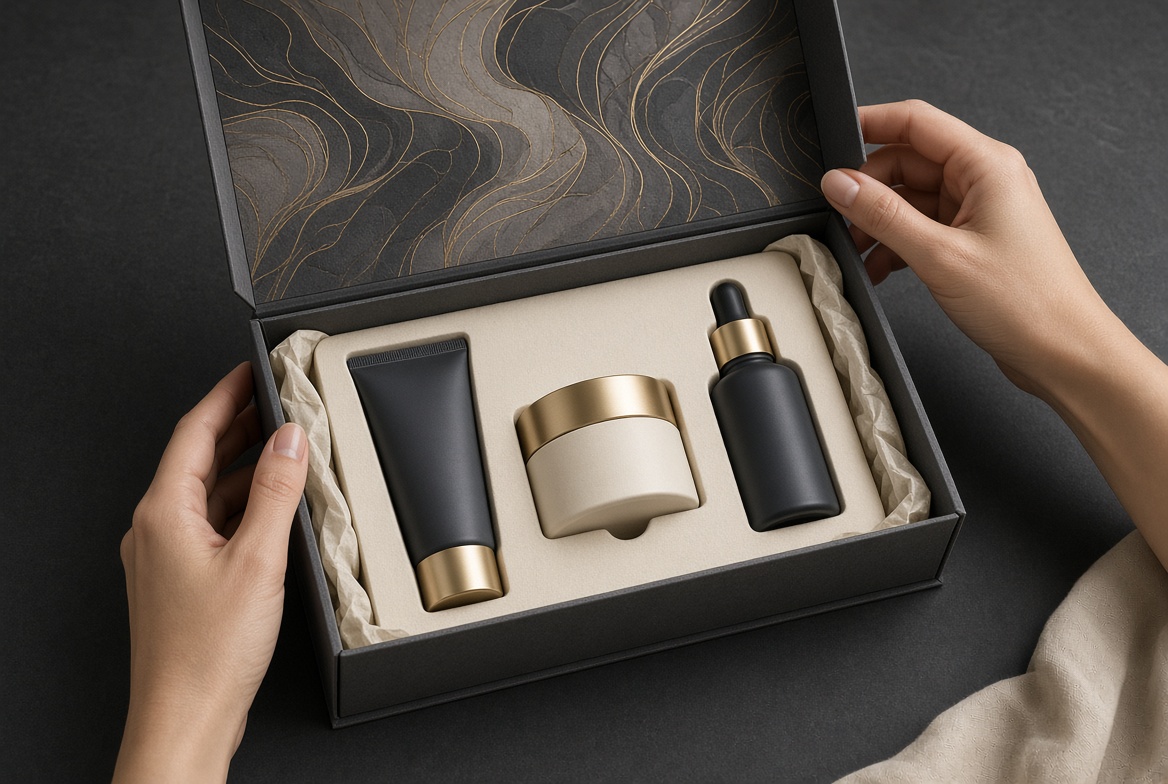
A book style box feels slower and more deliberate. It encourages the customer to pause, open the cover, read the inside message, and explore the product arrangement.
This format works well when the brand message is:
- "Discover our story"
- "This product is collectible"
- "This is a special occasion"
- "The details matter"
- "The presentation is part of the product"
For example, a luxury tea brand could create a book style rigid box with an illustrated cover, a foil-stamped spine, tea-origin information printed inside the cover, and six tea compartments in the inner tray.
Choose flip top magnetic boxes for fast premium access. Choose book style boxes for a richer reveal sequence.
Both formats offer strong customization options, but the available branding surfaces differ.
A custom flip top magnetic box commonly offers:
- Logo printing on the lid
- Front flap foil stamping
- Embossed or debossed branding
- Spot UV logos or patterns
- Soft-touch lamination
- Matte, gloss, anti-scratch, or textured finishes
- Printed inner lid message
- Ribbon pull tab
- Custom molded insert
- Metallic paper or specialty paper wrap
- Edge painting or colored paperboard details
The front flap can become a powerful visual feature because it is the point where the user interacts with the package. A subtle foil line, debossed logo, or patterned flap can make the opening gesture feel more intentional.
A book style box creates more storytelling space, including:
- Outer cover artwork
- Printed spine branding
- Interior cover text
- Product instruction panels
- Brand timeline or origin story
- Multi-language product information
- Illustrated product guides
- Hidden message panels
- Printed inner tray
- Custom compartments and dividers
The spine can be particularly useful for collectible packaging. When stored on a shelf, a book style box can resemble a premium publication or archive case. This feature can encourage customers to keep the packaging rather than discard it.
Many buyers assume a book style box always costs more than a flip top magnetic box. In reality, the final cost depends on the full specification.
The main factors include:
- Box dimensions
- Greyboard thickness
- Printed paper material
- Quantity ordered
- Magnet count and size
- Whether the box is rigid or collapsible
- Surface finishing requirements
- Insert material and complexity
- Manual assembly requirements
- Packaging and shipping method
- Testing and sampling needs
A simple book style box without magnets may cost less than a heavily finished magnetic box with multiple magnets, a custom EVA insert, foil stamping, embossing, and a specialty paper wrap.
On the other hand, a sophisticated book style box with a multi-panel cover, magnetic closure, layered insert, ribbon pull, and extensive inside printing may require more material and labor than a standard flip top structure.
When requesting a quotation, provide these details:
1. Product dimensions, weight, and shape
2. Desired box inner dimensions
3. Estimated order quantity
4. Target material and finish
5. Required insert type
6. Closure preference
7. Artwork files or branding direction
8. Whether the box must ship flat or assembled
9. Destination market and shipping requirements
10. Target launch date
The more specific the brief, the more accurate the quotation and sample development process will be.
One important decision for magnetic packaging is whether to use a fully assembled rigid box or a collapsible magnetic box.
A standard rigid magnetic box arrives assembled and maintains its final form. It provides excellent presentation quality but occupies more shipping and storage space.
A collapsible magnetic box can fold flat before use. It is often selected by e-commerce brands, retailers, and fulfillment operations that need to reduce warehouse volume. Magnetic closure boxes are available in both collapsible and non-collapsible formats.
Choose a collapsible design when:
- Warehouse space is limited
- The box must be shipped in large quantities
- Staff can easily assemble the box
- The product does not require a fully fixed display structure
- Lower freight volume is a major priority
Choose a fixed rigid construction when:
- Maximum structural stability is required
- The product is heavy or fragile
- The box needs precise inserts
- Shelf presentation is a major consideration
- The brand wants the most premium finished appearance
Book style boxes are more commonly produced as fixed rigid structures because their cover and tray relationship is central to the design. However, selected book-style formats can also be engineered for more efficient transport depending on the construction.
Luxury packaging should not only look refined; it should also be designed with realistic end-of-life considerations.
Rigid paper boxes are often based on paperboard and wrapping paper, but magnetic boxes include non-paper components. Magnets, foam, plastic film laminations, ribbon, and decorative hardware can make recycling more complicated.
For paper recycling, clean fiber-based materials are generally easier to process. However, magnets and other non-fiber components should be separated where local recycling systems require it. Reuse is often the preferred first option for high-quality magnetic gift boxes, followed by removal of magnets and non-paper components before recycling the paperboard where accepted locally.
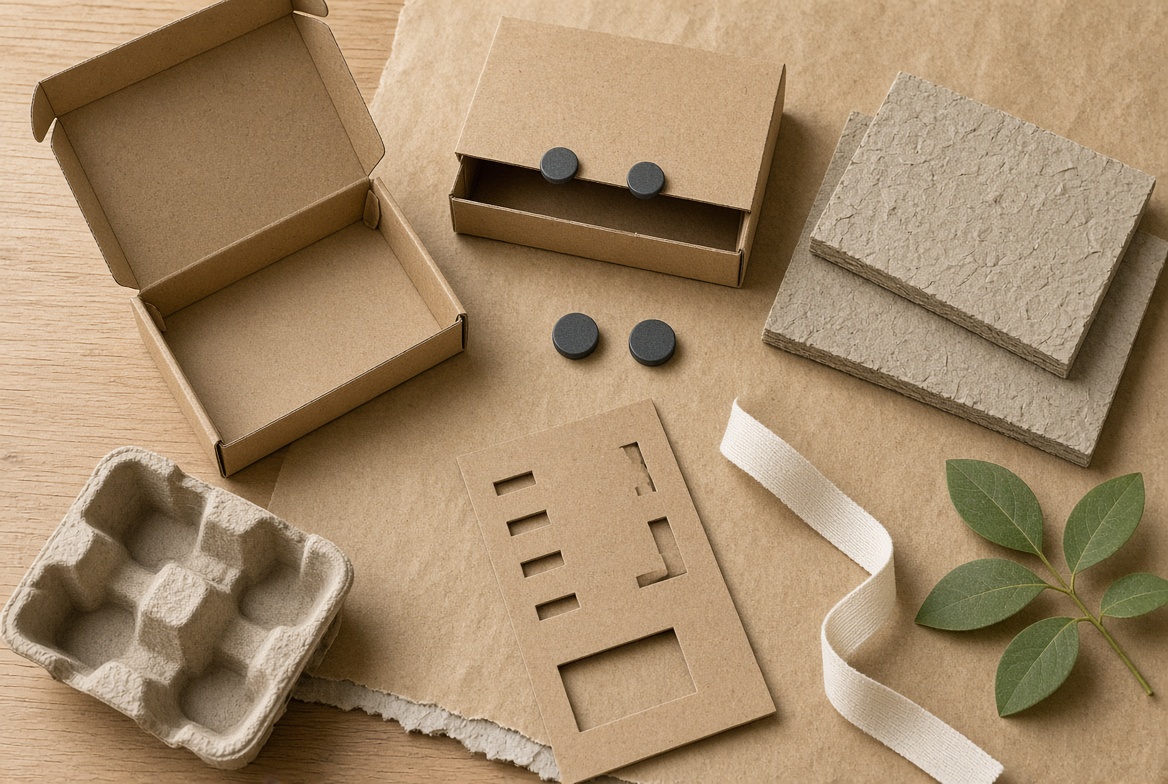
Consider these practical approaches:
- Use FSC-certified paper where appropriate
- Choose recycled-content paperboard or wrapping paper
- Minimize plastic windows and foam where possible
- Use paperboard inserts instead of mixed-material inserts
- Avoid unnecessary lamination for short-life packaging
- Design boxes for secondary storage and reuse
- Add simple disposal instructions when relevant
- Use water-based coatings where suitable for the desired finish
- Choose a removable sleeve instead of permanent decorative elements
- Avoid over-packaging products that already have protective inner packaging
A reusable book style box may become a storage case for letters, photographs, cards, accessories, or documents. A reusable flip top magnetic box may become a wardrobe organizer, desk storage box, or gift box for another occasion. The longer the box remains useful, the more value it can deliver beyond the first purchase.
Use this decision framework before selecting a custom rigid packaging structure.
- A fast and intuitive opening motion
- A visible magnetic closure
- A clean, modern luxury appearance
- Strong reusability for customers
- Gift-ready packaging for e-commerce
- An efficient structure for apparel, cosmetics, and product kits
- A collapsible option for storage and shipping efficiency
- Immediate product visibility after opening
- A hardcover-book-inspired presentation
- A larger surface for storytelling and instructions
- A dramatic reveal sequence
- A visible spine or cover design
- A premium collector's feel
- Multiple products displayed in a planned layout
- A format suitable for cards, documents, invitations, or keepsakes
- A packaging experience that feels ceremonial and memorable
The most effective solution is sometimes a hybrid.
For example, a book style rigid box can use hidden magnets for closure. The outside presents a cover-and-spine format, while the magnetic closure keeps the package neat and secure. This design is ideal for premium gift sets, luxury accessories, high-end beauty kits, and corporate presentation boxes.
A hybrid structure can deliver:
- The storytelling space of a book style box
- The tactile satisfaction of a magnetic closure
- Better product protection
- A more polished shelf appearance
- A memorable unboxing journey
Before finalizing a magnetic box or book style box design, review these questions with your packaging manufacturer.
1. Does the box protect the product during normal transport and handling?
2. Is the opening motion easy for the intended customer?
3. Does the closure strength match the product weight and box size?
4. Is the inner insert designed to prevent movement?
5. Are the logo, colors, and finishes consistent with the brand identity?
6. Does the box provide enough space for mandatory product information?
7. Can the packaging be assembled efficiently by your team or fulfillment partner?
8. Is the box suitable for e-commerce shipping, retail display, gifting, or all three?
9. Are the materials aligned with your reuse and disposal goals?
10. Has the final design been tested with the actual product before mass production?
A digital mockup is useful, but a physical sample remains essential. Paper texture, magnet strength, lid alignment, insert fit, foil position, and opening resistance can only be fully evaluated in a real sample.
The difference between flip top magnetic boxes and book style boxes comes down to how your customer should experience the first opening moment.
A flip top magnetic box is practical, polished, and easy to use. It is an excellent choice for brands that want secure closure, instant product visibility, and a clean luxury presentation.
A book style box is more expressive and narrative-driven. It is ideal for products that benefit from a staged reveal, interior messaging, collectible appeal, or a larger presentation area.
At Maituohong Packaging, we help brands turn packaging ideas into workable rigid-box structures. Whether you need a custom flip top magnetic box, a book style rigid box, or a hybrid magnetic presentation box, our team can support the process from structural design and material selection to sampling, printing, inserts, and mass production.
Contact Maituohong Packaging today to discuss your product dimensions, branding goals, order quantity, and preferred unboxing experience. We can help you develop a custom rigid packaging solution that protects your product and makes your brand more memorable.
Not always. A flip top magnetic box is defined mainly by its hinged lid and magnetic closure. A book style box is defined by its book-like cover and spine structure. A book style box can include magnets, but it can also use ribbons, sleeves, or other closure methods.
Both can work well. Choose a flip top magnetic box for an easy, premium opening experience. Choose a book style box when you want a more dramatic reveal, interior storytelling, or a collector-style presentation.
Yes. Many magnetic boxes can be designed as collapsible boxes that fold flat before assembly. This can reduce storage and transport volume compared with fully assembled rigid boxes.
Yes. Book style boxes are suitable for cosmetic gift sets, skincare collections, perfume kits, and beauty subscription packages, especially when multiple items need to be displayed in a custom insert.
The best insert depends on the product. EVA foam works well for luxury protection and precise product positioning. Paperboard inserts are a more fiber-focused option. Molded pulp, corrugated inserts, flocked trays, and satin-lined platforms may also be considered depending on the product and brand direction.
Yes. A book style rigid box can include concealed magnets in the cover and tray. This is a popular hybrid option for premium gift sets, luxury accessories, and branded presentation kits.
The paperboard portions may be recyclable depending on local facilities and the box's coatings and components. However, magnets, foam, ribbons, films, and other non-paper materials may need to be removed or handled separately. Reusing the box first is often the most practical approach.
Provide the product size, product weight, desired box dimensions, order quantity, material preference, insert requirements, printing method, finish requirements, closure preference, shipping destination, and target delivery date.
- [Gentlever — An Ultimate Guide to Magnetic Closure Boxes]
- [Khang Thanh — Magnetic Closure Rigid Boxes: Industry Uses and Custom Ideas]
- [Kylin Machines — Complete Buyer's Guide for Rigid Box Manufacturers]
- [PakFactory — Custom Magnetic Rigid Boxes]
- [Teal Packaging — Custom Flip Top Boxes with Magnetic Closure]
- [Custom Rigid Boxes — Book Style Boxes vs. Magnetic Boxes]


