
Views: 248 Author: Maituohong Packaging Publish Time: 2026-08-06 Origin: Site


Content Menu
● Foldable Boxes vs Setup Boxes: Core Structural Differences
● Why Structural Integrity Matters for Product Positioning
● How the Packaging Market Is Shifting
● A Practical Decision Framework: Choosing the Right Box for Your Product
● What 18 Years in Custom Packaging Reveals
● Sustainability Considerations for Both Formats
● Which Format Should Your Brand Choose?
Choosing between foldable boxes and setup boxes shapes everything from unboxing experience to shipping cost, and getting this decision wrong can quietly erode a brand's margins and market perception. This guide breaks down the structural, material, and commercial differences between these two packaging formats so brand owners and procurement teams can make a confident, informed choice.
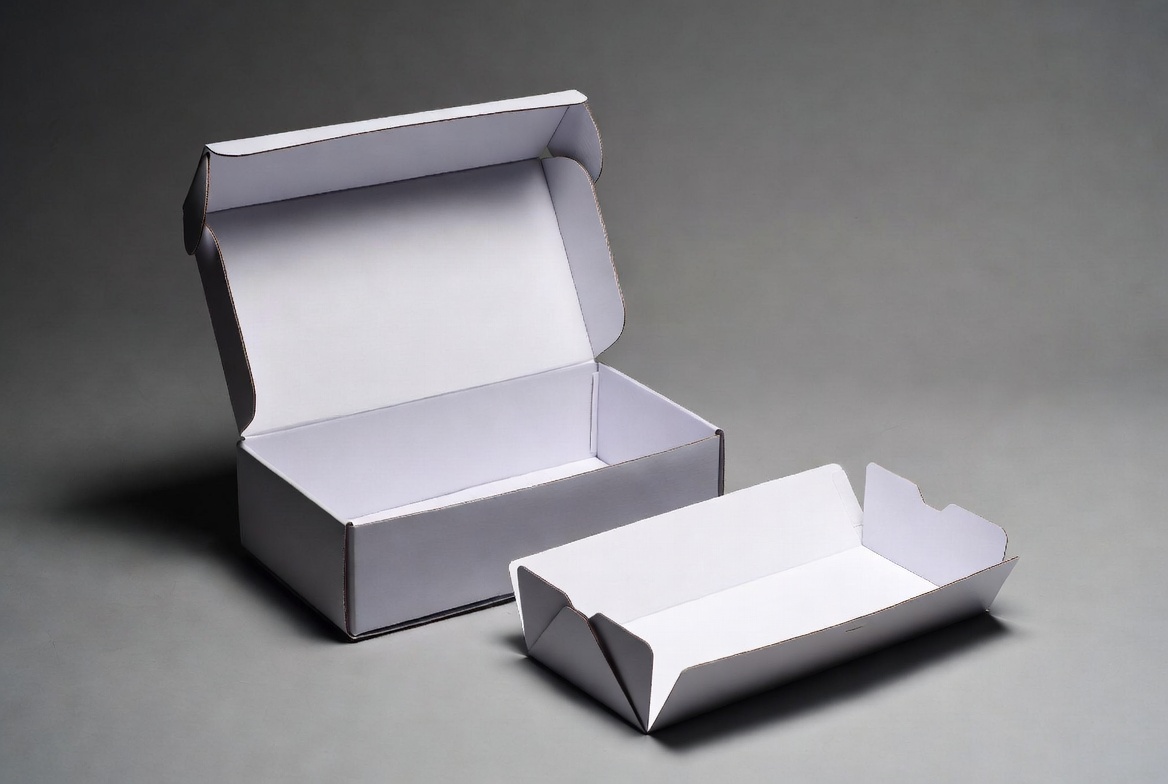
Foldable boxes, also called folding cartons, are made from lightweight paperboard that is die-cut, scored, and printed flat before being folded into shape at the point of use. They ship flat and are assembled either by the manufacturer, the retailer, or the end user, which makes them highly efficient for logistics.
This format dominates high-volume retail packaging because it balances print quality, structural efficiency, and cost in a single package. Cosmetics boxes, food cartons, and electronics packaging frequently rely on this structure.
Setup boxes, more commonly known in Asia and Europe as rigid boxes, are pre-assembled at the factory and permanently hold their shape. They are built from thick paperboard, typically 1.5mm to 3mm or more, wrapped in printed or textured paper, and never collapse for shipping or storage.
The terms "rigid box" and "set-up box" are used interchangeably across the packaging industry, with rigid box more common in Asia-Pacific markets and set-up box favored in North America. The weight in the hand, the resistance felt when lifting the lid, and the crisp precision of the corners all communicate quality before a customer even sees the product inside.
The fundamental distinction comes down to how each box is built and how it behaves during shipping and storage.
| Feature | Foldable Box (Folding Carton) | Setup Box (Rigid Box) |
|---|---|---|
| Material thickness | Thin paperboard (0.3mm–0.6mm) | Thick paperboard (1.5mm–3mm+) |
| Assembly | Ships flat, folded on demand | Pre-assembled, permanent shape |
| Shipping efficiency | Very high, compact flat-pack | Low, bulky and space-consuming |
| Structural strength | Low to moderate | Very high, does not collapse |
| Printability | Excellent, direct offset printing | Excellent, wrap or emboss finishing |
| Unit cost | Lower per unit | Higher per unit |
| Typical use case | Mass retail, food, electronics | Luxury goods, gifting, premium retail |
A box's rigidity directly signals product value to the customer's brain before a single word is read. Because setup boxes do not flex or dent, brands use them when the packaging itself needs to reinforce a premium price point. Foldable boxes, by contrast, prioritize efficient distribution over tactile weight, which suits products where shelf visibility and cost control matter more than a luxury unboxing moment.
Manufacturers report that the choice between the two often hinges on three factors: product fragility, target retail price, and shipping volume. A heavier, higher-margin item, such as a fragrance set or an electronics flagship product, generally justifies the added cost of a setup box.

Recent market research shows meaningful momentum on both sides of this comparison, and the numbers help explain why so many brands are re-evaluating their packaging strategy in 2026.
- The global folding carton packaging market is valued at approximately USD 220.9 billion in 2026, with projections reaching USD 290.9 billion by 2031, growing at a CAGR of 6.1%.
- The global rigid packaging market is estimated at USD 250.22 billion in 2026, expected to climb to USD 352.08 billion by 2033 at a CAGR of 5.0%.
- Major converters such as WestRock, Graphic Packaging, and Smurfit Kappa collectively command billions in folding carton revenue, reflecting continued industrial-scale demand for this format.
These figures confirm that neither structure is losing relevance; instead, brands are becoming more deliberate about matching format to product category and market positioning.
Rather than defaulting to habit or competitor packaging, brand owners benefit from a structured evaluation. Consider these five questions before finalizing a packaging format:
1. What is the retail price point? Products above a premium price threshold typically warrant the tactile weight of a setup box.
2. How fragile is the contents? Rigid structures protect delicate items like glass bottles or ceramics better than thin paperboard.
3. What is the shipping volume? High-volume SKUs benefit from the flat-pack efficiency of foldable boxes to control freight costs.
4. Is unboxing part of the brand experience? Gifting, cosmetics, and luxury electronics brands often see higher perceived value from setup boxes.
5. What is the sustainability target? Foldable cartons generally use less material per unit and are easier to recycle at scale.
After nearly two decades producing both folding gift boxes and rigid boxes for international clients, a few patterns consistently hold true across industries. Clients launching new luxury SKUs almost always request rigid boxes for their first production run, then later introduce foldable versions for secondary or promotional lines once volume scales up. This hybrid approach lets brands protect premium positioning on flagship products while controlling costs on higher-volume companion items.
Tooling and die investment also differs significantly between the two formats. Setup boxes require wrapping equipment and precision corner assembly, which raises minimum order quantities and lead times compared to the simpler die-cutting process behind folding cartons. Brands entering export markets should factor this into their production timeline planning, particularly when coordinating with overseas manufacturing partners across different shipping seasons.
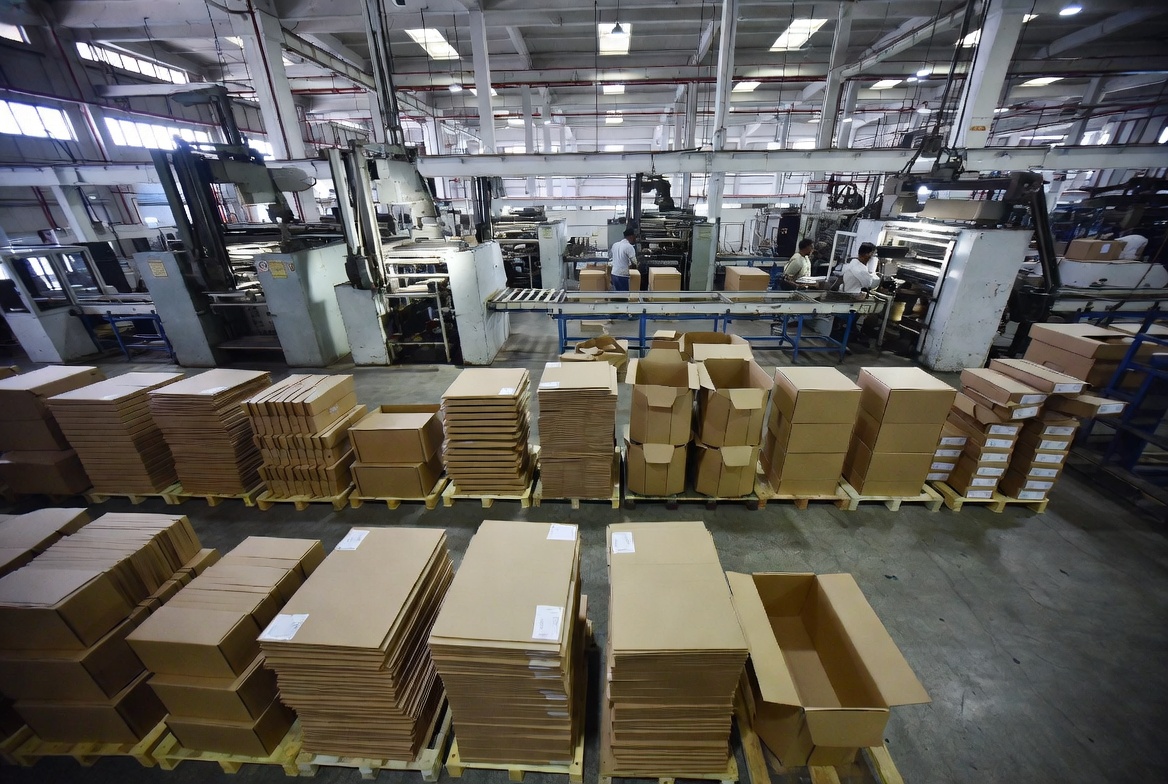
Material efficiency separates these two structures in the sustainability conversation. Foldable boxes typically use significantly less raw paperboard per unit and ship flat, reducing transportation emissions. Setup boxes, while heavier and more resource-intensive, often last longer as reusable containers, which some brands leverage as a secondary sustainability argument tied to product longevity rather than material volume.
Ready to determine the right packaging structure for your next product launch? Whether your priority is shelf-ready efficiency or a premium unboxing experience, working with a manufacturer experienced in both folding gift box and rigid box production ensures your packaging aligns with both budget and brand goals. Reach out to a custom packaging specialist to request material samples and a cost comparison tailored to your specific product dimensions and order volume.
1. Are setup boxes and rigid boxes the same thing?
Yes. "Setup box" is the North American term, while "rigid box" is more commonly used in Asia-Pacific and European markets, but they refer to the identical pre-assembled, non-collapsible packaging structure.
2. Which box type is more cost-effective for large order volumes?
Foldable boxes are generally more cost-effective at scale because they ship flat, reducing freight costs, and use thinner material that lowers per-unit production expenses.
3. Can foldable boxes still look premium?
Yes. With high-quality offset printing, foil stamping, and embossing, foldable boxes can achieve a polished look, though they cannot replicate the weight and permanence of a rigid structure.
4. How long does it take to produce custom rigid boxes versus folding cartons?
Rigid boxes generally require longer lead times due to wrapping and corner-assembly processes, while folding cartons benefit from faster, simpler die-cutting production cycles.
5. Which format is better for eco-conscious brands?
Folding cartons generally have a lighter material footprint and are easier to recycle, making them a common choice for brands prioritizing sustainability metrics.
6. Do setup boxes require a higher minimum order quantity?
Typically yes, because the specialized tooling, wrapping equipment, and precision assembly involved in rigid box production make small-batch runs less cost-efficient than folding cartons.
- Rigid box terminology and set-up box comparison — https://www.rigidboxfactory.com (referenced via search result on rigid box vs set-up box terminology) [rigid-box]
- Folding carton, corrugated box, and rigid box structural comparison — Gentlever Packaging Blog [gentlever]
- 17+ Types of Boxes: Styles, Structures, and Packaging Guide [gentlever]
- Zenpack Custom Rigid Box Packaging Guide (Taiwan) [zenpack]
- Rigid Packaging Market Size, Share and Forecast, 2026–2033 [coherentmarketinsights]
- Folding Carton Packaging Market Size & Share, 2026–2035 [gminsights]
- Folding Carton Packaging Market In-Depth Analysis, 14.3% CAGR Projection, 2026–2033 [linkedin]


