
Views: 210 Author: Maituohong Packaging Publish Time: 2026-09-29 Origin: Site


Content Menu
● What Are Luxury Packaging Boxes?
● What Are Paper Shopping Bags?
● Luxury Packaging Boxes vs. Shopping Bags
● Differences in Product Protection
● Differences in Brand Perception
● Materials and Construction Differences
● Unboxing Experience vs. Carrying Experience
● Cost Differences and Budget Planning
● Sustainability Considerations
● How to Choose the Right Format
● Practical Packaging Strategy for Premium Brands
● Work With a Custom Packaging Manufacturer
● FAQ
>> 1. What is the main difference between a luxury packaging box and a shopping bag?
>> 2. Are rigid boxes better than paper shopping bags for luxury products?
>> 3. Can paper shopping bags look luxurious?
>> 4. Which packaging is better for jewelry and cosmetics?
>> 5. Are paper shopping bags reusable?
>> 6. How can brands make luxury packaging more responsible?
>> 7. What information should I provide when requesting custom packaging?
Luxury packaging boxes and shopping bags are both essential brand touchpoints, but they serve very different commercial, functional, and emotional purposes. Luxury packaging boxes protect and present the product, while paper shopping bags carry the purchase and extend brand visibility beyond the store.
For premium brands, the best choice is rarely "boxes or bags." It is usually a coordinated packaging system: a rigid box creates the unboxing experience, and a custom paper shopping bag carries that experience into the customer's daily life. At Maituohong Packaging, we have spent more than 18 years producing custom rigid boxes, high-end cardboard gift boxes, and paper shopping bags. In practical production work, we see that brands get better results when they define the role of each format before discussing paper, printing, finishes, or cost.
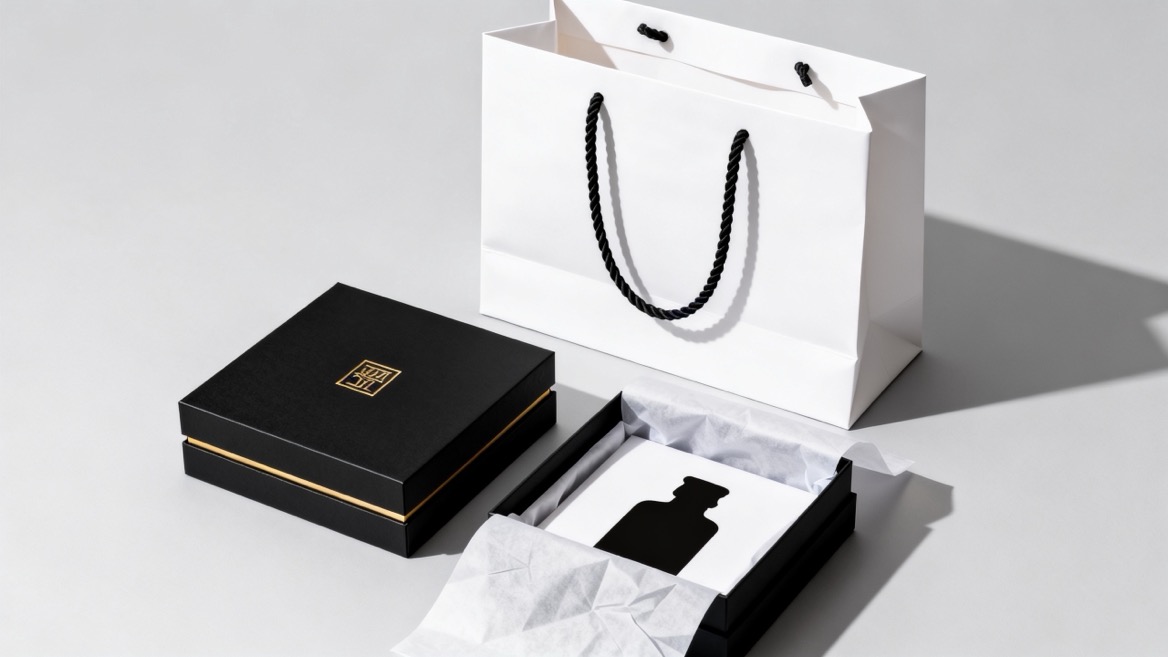
Luxury packaging boxes are premium product containers designed to protect, display, and elevate an item. They are commonly made from rigid greyboard or chipboard wrapped with specialty paper, coated paper, textured paper, art paper, or other decorative materials.
Unlike folding cartons, rigid boxes keep their shape because their board structure is thick and non-collapsible. This construction gives customers an immediate sense of weight, durability, and value.
Common luxury packaging box styles include:
- Magnetic closure rigid boxes
- Lid-and-base gift boxes
- Drawer boxes
- Shoulder-and-neck boxes
- Book-style boxes
- Collapsible rigid boxes
- Round rigid boxes
- Custom presentation boxes with inserts
These boxes are widely used for jewelry, cosmetics, perfumes, candles, premium apparel, electronics, wine, confectionery, corporate gifts, and high-value promotional products.
A luxury box is not only a protective container. It is part of the product presentation. It can communicate a brand's price position before the customer even sees the item inside.
Paper shopping bags are branded carrier bags used to transport purchased products from a retail store, showroom, event, or distribution point. They are generally produced from kraft paper, white kraft paper, coated art paper, recycled paper, or specialty paper.
A custom paper shopping bag is usually designed around practical carrying capacity. Its main components include the bag body, bottom board, side gussets, top reinforcement, handles, and printed branding.
Common paper shopping bag options include:
- Kraft paper shopping bags
- White paper retail bags
- Luxury paper bags with ribbon handles
- Twisted paper handle bags
- Cotton rope handle bags
- Die-cut handle paper bags
- Laminated paper shopping bags
- Recycled paper carrier bags
- Boutique gift bags
Shopping bags are particularly important for fashion, cosmetics, jewelry, footwear, department stores, gift retailers, exhibitions, food and beverage businesses, and promotional events.
The key difference is simple: a shopping bag is usually the outer carrying package, while a luxury box is often the primary presentation package around the product itself.
The following comparison helps explain the core differences between luxury packaging boxes and paper shopping bags.
| Comparison Factor | Luxury Packaging Boxes | Paper Shopping Bags |
|---|---|---|
| Primary purpose | Protect, present, and elevate the product | Carry products and promote the brand outside the store |
| Structure | Rigid, thick, stable, and often non-collapsible | Flexible, lightweight, and foldable |
| Typical material | Greyboard, chipboard, wrapping paper, specialty paper, fabric, foam inserts | Kraft paper, coated paper, recycled paper, art paper, rope or ribbon handles |
| Customer experience | Creates a premium unboxing moment | Creates a branded carrying and retail experience |
| Product protection | High, especially with inserts and rigid construction | Moderate; mainly protects products during short-distance transport |
| Branding space | Detailed interior and exterior branding opportunities | Large exterior print area for visible brand exposure |
| Cost level | Generally higher due to materials, hand assembly, and finishing | Generally lower, although luxury retail bags can also be premium |
| Reusability | Often retained for storage, gifting, or display | Frequently reused for carrying, gifting, and daily errands |
| Best for | High-value items, gifts, premium launches, subscription kits | Retail purchases, events, boutique sales, and promotional distribution |
| Common finishing | Foil stamping, embossing, debossing, spot UV, textured paper, custom inserts | Foil stamping, UV printing, lamination, embossing, custom handles, reinforced bottoms |
The correct choice depends on your product value, sales channel, target customer, shipping method, and desired customer experience.
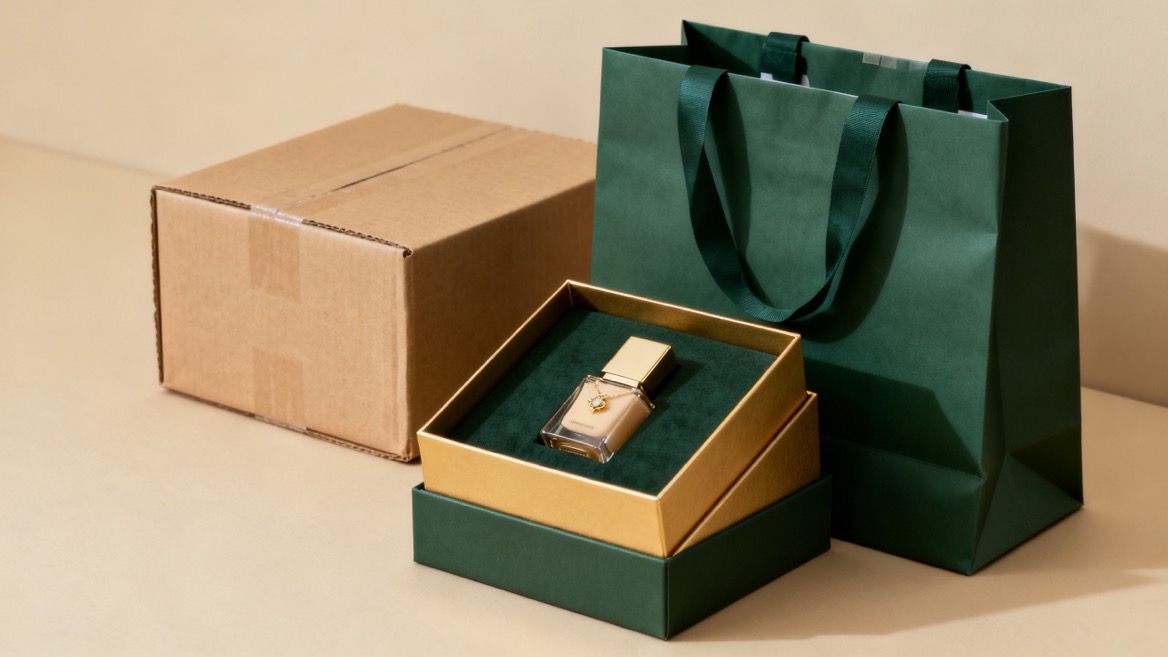
The strongest functional advantage of luxury packaging boxes is protection.
Rigid boxes can be engineered with thicker boards, fitted inserts, foam trays, paper pulp inserts, EVA inserts, satin linings, molded plastic trays, or cardboard dividers. These elements keep the product stable during handling, retail display, gifting, and delivery.
For example, a glass perfume bottle may require a custom insert that prevents movement. A paper shopping bag alone cannot provide this level of protection. It may carry the boxed perfume safely from the counter to the customer's car, but it should not be expected to protect the bottle independently.
Luxury packaging boxes are especially suitable when products are:
- Fragile
- High-value
- Premium-priced
- Gift-oriented
- Sensitive to scratches or impact
- Designed for shelf presentation
- Shipped through multiple handling stages
Shopping bags provide a different kind of protection. Their job is to keep multiple products together and make them convenient to carry. A well-designed paper bag can include a reinforced bottom, folded top edge, strong handles, and higher paper weight to improve load-bearing performance. However, it is still not a substitute for an internal product box.
A luxury packaging box often shapes the first emotional impression of a product. The material, surface texture, opening mechanism, color consistency, logo placement, and interior presentation can all influence how customers perceive the brand.
Research into packaging design has found that visual elements such as color, graphics, logos, and layout can influence purchase intention through brand experience. This means packaging is not simply decorative. It can help customers form an opinion about quality, credibility, and desirability before they use the product.
For luxury brands, customers often expect the box to feel intentional. A thin or poorly finished package can create a mismatch between the product price and the product experience. By contrast, a carefully produced rigid box may support a perception of craftsmanship and exclusivity.
Paper shopping bags create a different type of brand value. They turn a customer into a moving brand ambassador.
When a customer leaves a boutique carrying a recognizable shopping bag, the bag becomes public-facing brand communication. This visibility is particularly valuable in:
- Shopping malls
- Airports
- Fashion districts
- Trade shows
- Gift stores
- Pop-up events
- Hotel and resort retail settings
A branded shopping bag is usually seen by more people than the product box. Therefore, its design should prioritize immediate recognition. A clear logo, strong color identity, balanced typography, and durable handles often matter more than excessive graphic detail.
Luxury packaging boxes require a multi-layer construction process. In a typical rigid box, greyboard provides the structural core, while printed paper or specialty paper wraps the board externally. The interior can include a printed lining, soft-touch paper, satin fabric, ribbon pull, magnetic closure, or customized insert.
This construction creates a premium result, but it also requires more manual processes, material coordination, quality checks, and production time.
Typical rigid box materials include:
- 1.5 mm to 3 mm greyboard
- C1S coated paper
- Uncoated art paper
- Black core paper
- Specialty textured paper
- Metallic paper
- Recycled paper
- Fabric wraps
- Velvet, satin, or microfiber linings
Paper shopping bags are structurally simpler, though premium versions can still involve sophisticated manufacturing. A standard paper bag may use kraft paper with twisted handles, while a luxury retail bag may use coated paper, matte lamination, ribbon handles, reinforced top cards, and bottom boards.
Typical shopping bag materials include:
- Brown kraft paper
- White kraft paper
- Coated art paper
- Recycled paper
- FSC-certified paper, where applicable
- Matte-laminated paper
- Gloss-laminated paper
- Cotton rope, PP rope, paper rope, or ribbon handles
In our production experience, many brands underestimate the importance of handle selection. A beautiful bag can fail if its handle does not match the expected product weight. Handle strength, attachment method, knot position, and reinforcement cards should be reviewed before mass production.
Luxury packaging boxes are designed for unboxing. They create anticipation and reveal the product in stages.
A magnetic closure box may open with gentle resistance. A drawer box may use a ribbon pull. A lid-and-base box may reveal tissue paper, a branded card, and a carefully positioned product insert. These details make the customer slow down and engage with the brand.
Shopping bags are designed for carrying. Their success depends on whether they feel comfortable, durable, attractive, and easy to reuse.
The two experiences are complementary:
- The rigid box creates a private, close-up brand moment.
- The shopping bag creates a public, visible brand moment.
- The box protects the product and supports gifting.
- The bag makes retail transport convenient and expands brand exposure.
A premium jewelry brand, for example, may place earrings inside a small rigid box with a velvet insert. That box may then go inside a medium-sized paper shopping bag with a ribbon handle. The box protects and presents the jewelry; the bag completes the retail experience.
Luxury packaging boxes generally cost more than shopping bags because of their thicker raw materials, complex structural processes, hand assembly requirements, inserts, and premium finishes.
The cost of a custom rigid box can change significantly based on:
- Box size and board thickness
- Paper type
- Quantity ordered
- Structural complexity
- Magnetic closures
- Custom inserts
- Foil stamping
- Embossing or debossing
- Spot UV
- Lamination
- Hand assembly requirements
- Packaging and shipping method
Paper shopping bags are usually more economical per unit, especially when produced in higher volumes with simple printing and standard handles. However, luxury shopping bags can become a significant investment if they use thick coated paper, full-color printing, soft-touch lamination, ribbon handles, foil-stamped logos, and reinforced structures.
The right question is not simply, "Which option is cheaper?" A better question is:
Which packaging format produces the right level of protection, brand impact, and customer experience for the product's selling price?
For a low-cost retail accessory, an elaborate rigid box may not be commercially justified. For a premium gift set, a basic paper bag may not communicate enough value on its own.
Sustainability now affects packaging decisions across luxury and mainstream retail. Customers increasingly notice material choices, unnecessary layers, recyclability, reusable formats, and environmental claims.
A 2025 global consumer survey found that recyclability was the most important sustainability characteristic considered by consumers across the surveyed markets. Paper and glass also ranked among the top three materials perceived as sustainable in every country included in the research.
This does not mean every paper package is automatically responsible. Material sourcing, coatings, adhesives, inks, product protection, transport efficiency, and end-of-life recovery all matter.
For rigid boxes, brands can reduce environmental impact by:
- Choosing recycled-content board or paper
- Reducing unnecessary box depth and empty space
- Avoiding difficult-to-separate mixed materials
- Using paper-based inserts where product protection allows
- Designing boxes customers will reuse
- Selecting durable, timeless designs instead of disposable seasonal formats
For paper shopping bags, practical improvements include:
- Using recycled kraft paper
- Avoiding unnecessary plastic lamination
- Printing clear recycling guidance when appropriate
- Matching paper thickness to actual carrying weight
- Designing a bag attractive enough to be reused
- Reducing oversized bag dimensions
Luxury does not need to mean excessive material use. In fact, a well-proportioned rigid box with a useful secondary purpose can feel more premium than an oversized package filled with unnecessary inserts.
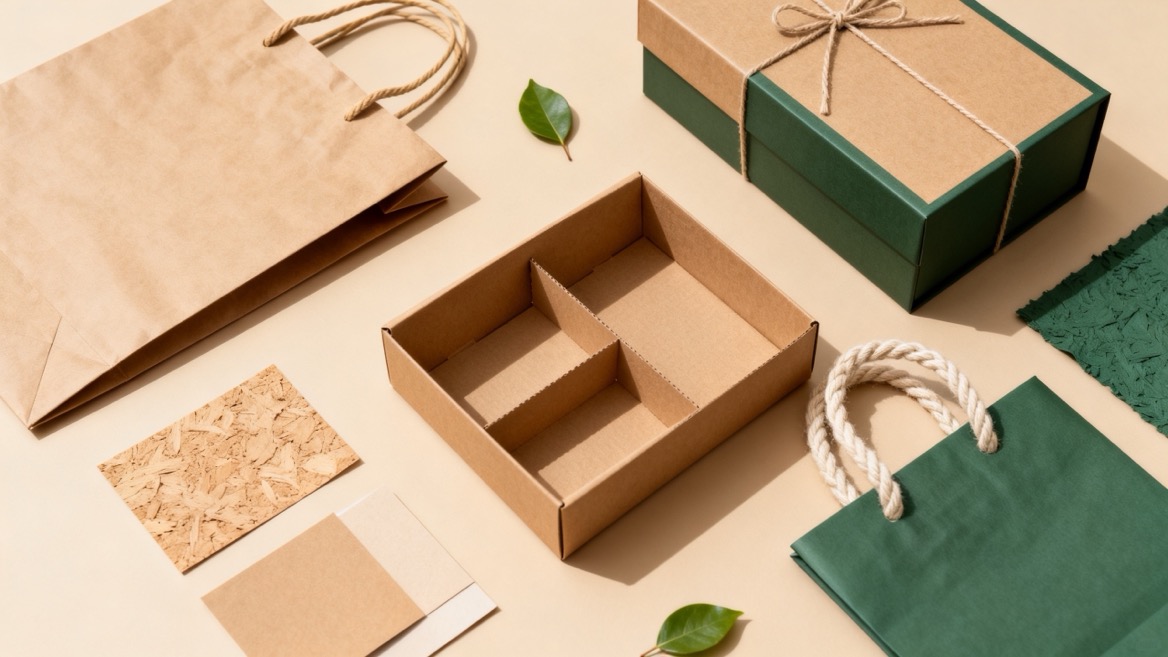
Use this decision process when choosing between custom luxury packaging boxes and shopping bags.
1. Assess product value.
High-value, fragile, giftable, or premium products usually benefit from rigid boxes.
2. Define the customer journey.
Consider whether the product is sold in stores, online, at exhibitions, through distributors, or as a corporate gift.
3. Identify protection needs.
Choose rigid boxes and custom inserts when the product needs stability, shock resistance, or a secure presentation.
4. Consider retail visibility.
Use paper shopping bags when customers will carry the purchase in public spaces and brand exposure matters.
5. Set the packaging hierarchy.
Decide what sits closest to the product, what carries it, and what is used for shipping.
6. Review reuse potential.
A box may become storage packaging. A shopping bag may be reused for gifts or daily carrying. Design both with a second life in mind.
7. Request physical samples.
Never approve premium packaging from a digital artwork file alone. Check color, paper texture, folding quality, handle strength, logo placement, and insert fit using real samples.
For many premium retail brands, the most effective solution is a three-layer system:
| Packaging Layer | Recommended Format | Main Role |
|---|---|---|
| Product layer | Luxury rigid box | Protect and present the item |
| Retail carrying layer | Custom paper shopping bag | Carry the purchase and display the brand |
| Transit layer | Corrugated shipping carton | Protect the retail packaging during delivery |
This approach prevents a common mistake: using a decorative shopping bag as if it were shipping packaging. A luxury shopping bag should generally remain clean, structured, and customer-facing. It should not be exposed to unnecessary damage during freight transport.
A well-planned packaging system also reduces product damage, improves customer satisfaction, and creates consistency between online and offline brand experiences.
Luxury packaging boxes and paper shopping bags do not compete with each other. They perform different roles in a complete brand experience.
Choose a rigid box when the priority is protection, unboxing, gifting, product presentation, and perceived value. Choose a custom paper shopping bag when the priority is retail transport, public brand visibility, convenience, and reusable carrying value.
For the strongest result, coordinate both formats through the same visual system: matching colors, logo treatment, paper finishes, typography, and sustainability goals.
Maituohong Packaging brings more than 18 years of experience in custom rigid boxes, premium cardboard gift boxes, and paper shopping bags. We help brands turn packaging requirements into practical production solutions, from structural development and material selection to sampling, printing, finishing, and bulk manufacturing.
Contact Maituohong Packaging to develop custom luxury packaging boxes and paper shopping bags that protect your product, strengthen your brand image, and create a memorable customer experience.
A luxury packaging box is designed mainly to protect and present a product. A shopping bag is designed mainly to carry purchased goods and display the brand during retail transport. Many premium brands use both together.
Rigid boxes are better when products need premium presentation, strong protection, or a memorable unboxing experience. Paper shopping bags are still important because they make purchases easier to carry and extend brand visibility outside the store.
Yes. Luxury paper shopping bags can use thick coated paper, matte or soft-touch finishes, foil-stamped logos, embossed details, ribbon handles, cotton rope handles, reinforced bottoms, and carefully controlled brand colors.
For jewelry and premium cosmetics, a rigid box with a custom insert is usually the best primary package because it protects the item and supports a high-end presentation. A branded paper shopping bag can be added as the outer retail carrier.
Many paper shopping bags can be reused when they are made with durable paper, reinforced bottoms, and strong handles. Reusability improves when the design is attractive enough for customers to carry again or use for gifting.
Brands can reduce unnecessary package size, use recycled-content materials, choose paper-based inserts when practical, reduce mixed-material constructions, design boxes for reuse, and ensure the packaging protects the product well enough to prevent waste from damage.
Provide the product dimensions, product weight, desired box or bag style, quantity, target market, logo files, artwork, preferred materials, finishing requirements, insert needs, and expected delivery date. Physical product samples are especially useful for designing accurate inserts and confirming fit.
1. Khwanrat, C., & Sahachaisaeree, N. "Purchasers' Perception on Packaging Formal Design: A Comparative Case Study on Luxury Goods Merchandizing." [ScienceDirect]
2. "The Impact of Visual Elements of Packaging Design on Purchase Intention." [PubMed Central]
3. McKinsey & Company. "Sustainable Packaging: 2025 Global Consumer Views." [McKinsey]
4. Bain & Company. "Luxury Packaging: Resolving the Tension Between Creativity and Impact." [Bain & Company]
5. Shorr Packaging. "The 2025 Sustainable Packaging Consumer Report." [Shorr Packaging]
6. WhatTheyThink. "Understanding the Consumer: How Luxury Brands Use Psychology in Packaging." [WhatTheyThink]


