
Views: 248 Author: Maituohong Packaging Publish Time: 2026-07-30 Origin: Site


Content Menu
● Core Differences At A Glance
● Structural Design Differences
● Branding And Customer Experience
● Cost And Operational Efficiency
● FAQs
Mailer boxes and shipping boxes may look similar at first glance, but they serve different goals in packaging. Mailer boxes are better for presentation and branding, while shipping boxes are built primarily for protection, stacking strength, and transit performance.
Choosing the wrong box can affect damage rates, shipping cost, customer experience, and brand perception. For a packaging manufacturer like Maituohong Packaging, this is not just a design decision; it is a business decision that affects how well a product survives transport and how well it represents the brand on arrival.
In direct-to-customer and retail-driven packaging, the box often becomes part of the product experience. In heavier or more demanding logistics flows, the box becomes a functional shield first and a brand surface second.
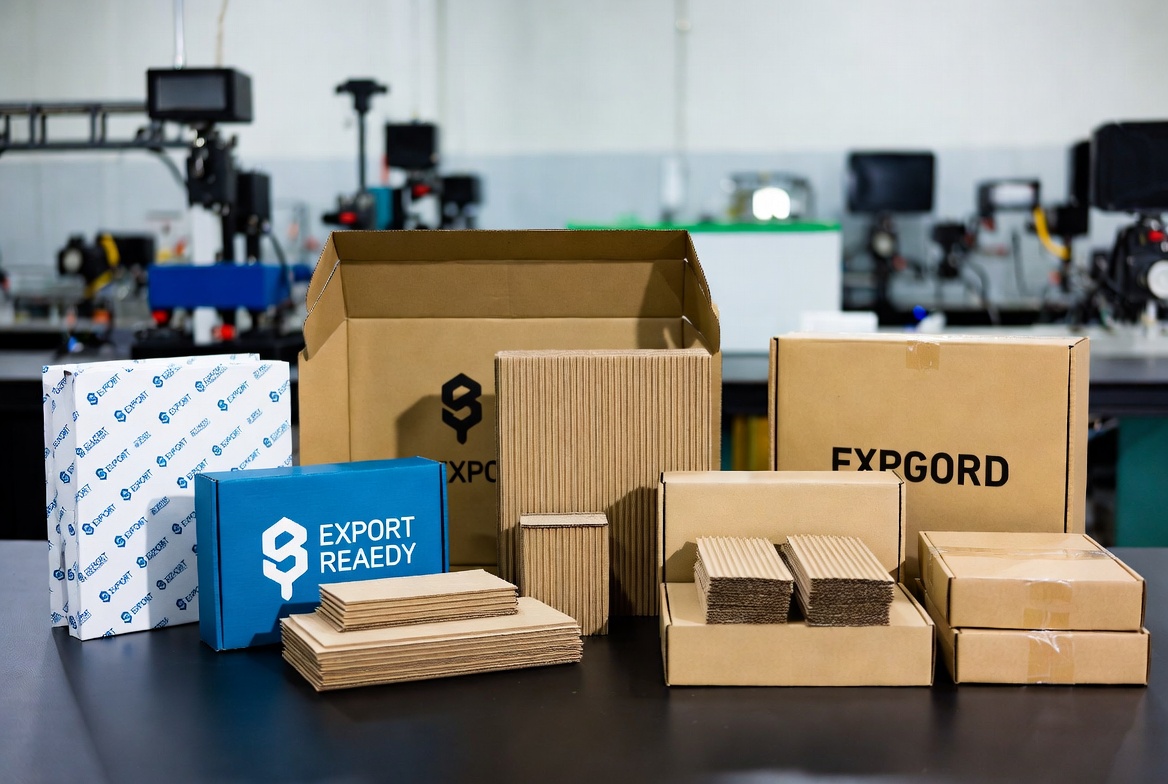
A mailer box is usually a corrugated cardboard box with a self-locking structure and a clean, compact shape. It is designed to open neatly, look premium, and create a strong unboxing experience without needing much tape or extra sealing.
Mailer boxes are often used for subscription products, cosmetics, sample kits, gifts, apparel, and small consumer goods because they combine protection with presentation. Their structure also makes them easier to customize with print, inserts, and branded finishes, which is why they are popular for marketing-led packaging.
A shipping box is mainly designed to protect products during transport, especially when parcels must travel long distances or face rough handling. These boxes usually prioritize structural strength, load-bearing performance, and compatibility with protective fillers or internal cushioning.
Shipping boxes are commonly used for bulk goods, industrial items, fragile products, and heavy products that need stronger board construction and more reliable compression resistance. They may still be printed, but the core purpose is performance rather than presentation.
| Factor | Mailer Boxes | Shipping Boxes |
|---|---|---|
| Main purpose | Presentation and branding | Protection and transit strength |
| Structure | Self-locking, compact, neat | More rugged, often tape-sealed |
| Brand experience | Strong unboxing appeal | Functional, less presentation-focused |
| Product types | Small, premium, curated items | Heavy, bulky, fragile, or bulk items |
| Protection level | Good for moderate shipping needs | Better for demanding shipping conditions |
| Typical use | E-commerce, gifts, subscription kits | Logistics, industrial shipping, bulk transport |
This table shows the practical rule: mailer boxes sell the brand, shipping boxes protect the shipment.
Mailer boxes usually feature a more refined fold-and-lock design that makes assembly quick and visually clean. That structure supports premium printing, inserts, and a tidy opening experience, which is useful when the box itself is part of the customer journey.
Shipping boxes tend to use a more utilitarian structure built for strength and packing efficiency. They are commonly paired with tape, cushioning materials, and tighter protective packing methods because the box is expected to withstand more stress in transit.
From a production standpoint, this means the two box types are not interchangeable in practice. The board specification, flute selection, die-cut design, and final conversion process should match the product weight, route distance, and desired presentation level.
Mailer boxes are the better choice when the unboxing moment matters. Their structure allows for cleaner printing, stronger shelf appeal, and a more memorable opening experience, which is especially valuable for e-commerce brands and promotional packaging.
Shipping boxes can still be branded, but they are usually optimized for logistics first. If a brand wants a premium look and also needs transit strength, it may choose a hybrid strategy: a stronger outer shipping box with a branded inner mailer-style presentation layer.
In my experience as a packaging strategist, this layered approach often works best for premium consumer products. It preserves brand storytelling while still keeping the shipment safe across warehouses, carriers, and final-mile delivery.
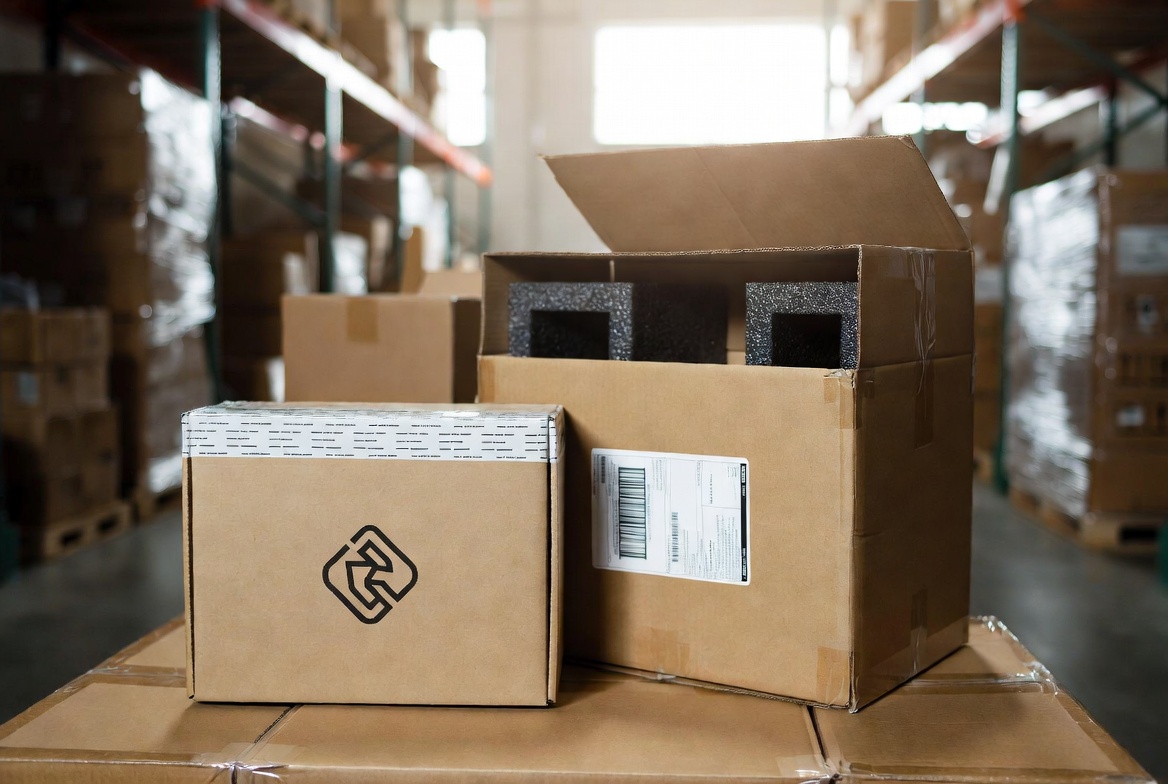
Shipping boxes generally perform better when products are heavier, more fragile, or likely to be stacked during transportation. Their larger material allowance and more rugged construction make them a safer option for international shipping, bulk orders, and items that may face vibration, compression, or impact.
Mailer boxes still provide solid protection for many products, but they are usually selected when the product weight is moderate and the brand wants a cleaner look. They are especially effective when used with inserts that hold items in place and reduce movement inside the box.
A useful rule is simple: if the product can be damaged by pressure, drop impact, or stacking, start with a shipping box; if it needs presentation and moderate protection, start with a mailer box.
Mailer boxes can improve operational efficiency because they often require less sealing material and are quicker to assemble. Some self-sealing corrugated mailer designs are specifically built to reduce setup time and simplify packing workflows.
Shipping boxes may be more cost-effective for heavy-duty shipping because they are engineered for protection and can reduce damage-related losses. The true cost should always include not only the box price, but also packing time, damage risk, returns, and customer satisfaction.
For exporters and B2B manufacturers, this is especially important. A slightly higher packaging cost can still be the better investment if it lowers claims, protects product reputation, and supports repeat business.
Current packaging trends are moving toward minimalism, accessibility, circularity, and lightweight luxury. That means brands want packaging that feels premium but uses materials more intelligently and supports easier recycling or reuse.
This trend helps mailer boxes in premium DTC markets, because their structure naturally supports elegant design and controlled material use. At the same time, shipping boxes are also evolving, with brands demanding stronger performance, better paper efficiency, and more consistent board quality from manufacturers.
For a manufacturer with long production experience, the real opportunity is to combine structural reliability, visual appeal, and material efficiency in one packaging system.
Use this quick process to decide:
1. Define the product weight and fragility.
2. Map the shipping route and handling risk.
3. Decide whether the unboxing moment is part of the brand promise.
4. Check whether inserts, dividers, or cushioning are needed.
5. Choose the box type that balances protection, cost, and brand impact.
If the order is a gift set, sample kit, or subscription product, a mailer box is often the stronger choice. If the order is a heavy industrial item, export carton, or fragile bulk shipment, a shipping box is usually the safer choice.
From a production standpoint, the best box is the one that matches both the product and the route. A good packaging partner does not just print a box; it evaluates board strength, size tolerance, folding accuracy, and final use conditions before recommending a structure.
That is where experience matters. With more than 18 years in custom paper packaging, Maituohong Packaging can help brands choose between mailer boxes and shipping boxes based on product protection, brand positioning, and export requirements, not just appearance.
Mailer boxes and shipping boxes are both corrugated packaging solutions, but they are built for different outcomes. Mailer boxes focus on presentation, while shipping boxes focus on protection.
If your goal is to create a better customer experience, improve brand perception, and support premium unboxing, a mailer box may be the right fit. If your goal is to reduce damage and protect products through demanding logistics, a shipping box is usually the better choice.
If you are planning custom packaging for a new product line, Maituohong Packaging can help you choose the right box structure, board specification, and print finish for your market. Contact our team to discuss a tailored solution for mailer boxes, shipping boxes, or a hybrid packaging system.
1. Are mailer boxes and shipping boxes made from the same material?
Yes. Both are usually made from corrugated cardboard, but they differ in structure, thickness, and intended use.
2. Can a mailer box be used for shipping?
Yes, but only when the product weight and shipping conditions are moderate. For heavier or more fragile items, a shipping box is safer.
3. Which box is better for branding?
Mailer boxes are generally better for branding because they offer a cleaner surface and a more premium unboxing experience.
4. Which box is better for protection?
Shipping boxes are better for protection because they are designed for stronger transit performance and heavier loads.
5. Can both box types be customized?
Yes. Both mailer boxes and shipping boxes can be customized with sizes, printing, inserts, and surface finishes.
1. [PrintPlace — Mailer Boxes vs. Shipping Boxes]
2. [Pregis — Mailer Box | Self Sealing Corrugated Mailer]
3. [Arvco — The Benefits of Working with Experienced Corrugated Box Manufacturers]
4. [Vikas Packaging — Quality Control in Corrugated Box Manufacturing]
5. [Jingou Pack — Key Quality Control Steps in Corrugated Box Manufacturing]


