
Views: 283 Author: Maituohong Packaging Publish Time: 2026-07-24 Origin: Site


Content Menu
>> Discreet Packaging vs. Branded Packaging
● Why Businesses Use Discreet Packaging
● What Makes Packaging Truly Discreet?
>> Labeling
● Best Materials for Discreet Shipping
● How To Design a Discreet Package
>> 1. Start With the Right Box Size
>> 5. Add Security Layers Where Needed
● Discreet Packaging and Compliance
● 2026 Trends That Affect Discreet Packaging
>> Medical and Wellness Products
>> B2B Spare Parts and Industrial Products
● What Customers Actually Want
● FAQ
>> 1. What is discreet packaging?
>> 2. Why do brands use discreet packaging?
>> 3. Is discreet packaging only for sensitive products?
>> 4. What materials are best for discreet shipping boxes?
>> 5. Can discreet packaging still look premium?
>> 6. Does discreet packaging affect compliance?
Discreet packaging has become much more than a privacy feature. It is now a smart shipping method for brands that want to protect customer confidentiality, reduce package theft exposure, and create a more professional delivery experience.
For manufacturers and ecommerce brands, especially those shipping high-value, sensitive, or gift-related products, the right discreet packaging solution can protect both the product and the customer relationship.
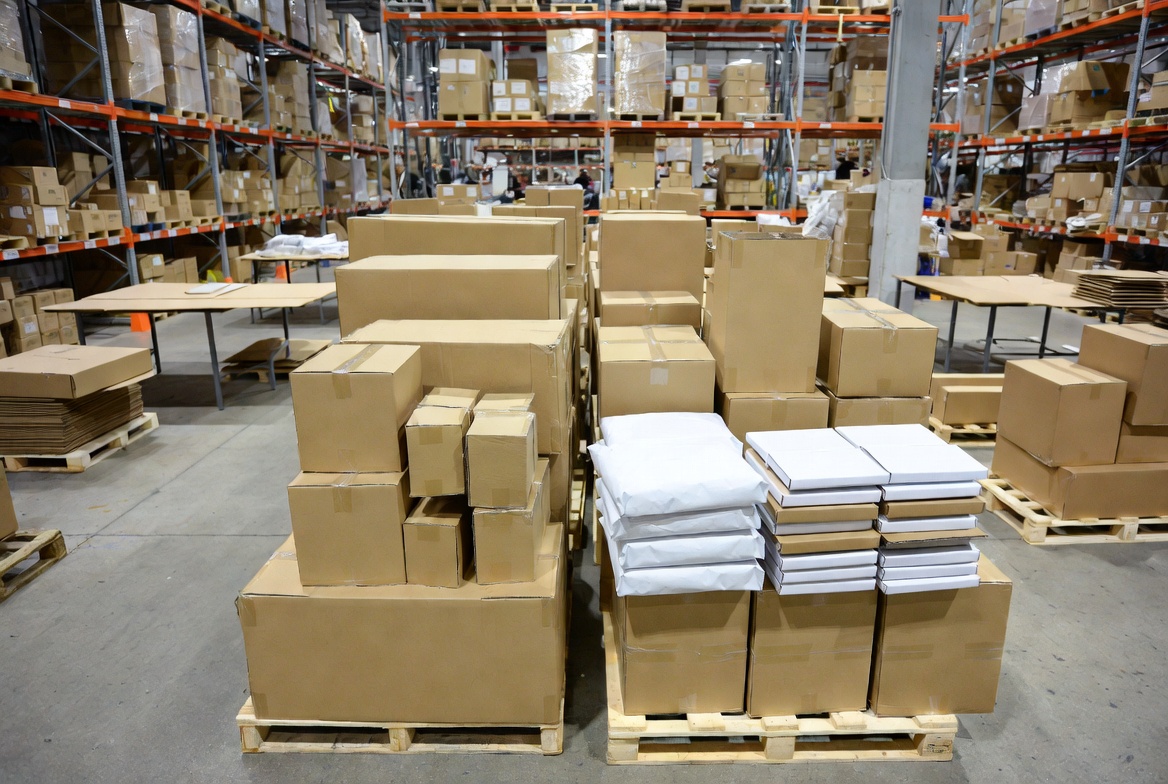
Discreet packaging refers to plain, unbranded, or minimally marked packaging that does not reveal what is inside the parcel or who the seller is.
In simple terms, the outside of the package should look ordinary. That means no product photos, no bold branding, no category-specific wording, and no details that could attract attention or create embarrassment for the recipient.
Branded packaging is designed to create recognition and excitement. Discreet packaging is designed to create privacy, reduce visibility, and make the shipment look neutral.
Both have value, but they serve different goals. If the main priority is privacy, security, and low-profile shipping, discreet packaging is usually the better choice.
Businesses choose discreet packaging for more than one reason. In most cases, the decision is tied to customer privacy, product sensitivity, or loss prevention.
Here are the most common use cases:
- High-value goods, such as electronics, jewelry, or luxury accessories.
- Sensitive products, such as wellness, medical, or intimate items.
- Gift orders, where the sender does not want to spoil the surprise.
- B2B shipments, where a neutral parcel reduces handling attention in transit.
- Cost-conscious operations, where plain boxes and generic mailers simplify procurement.
For brands that sell products online, discreet shipping also supports trust. Customers are more likely to buy when they know their order will arrive privately and safely.
Discreet packaging delivers value at both the brand and customer level. It is not only about hiding what is inside; it is also about improving the shipping system itself.
Discreet packaging keeps the contents of a shipment private from neighbors, couriers, office staff, and anyone else who might see the parcel.
Package theft remains a major shipping issue. Public oversight data reported at least 58 million stolen packages in 2024, and discreet packaging is one of the practical ways to lower visibility during transit.
Many customers value a calm, professional delivery experience. Neutral packaging avoids unwanted attention and creates a sense of care and discretion.
Plain corrugated boxes and generic mailers are often easier to standardize than custom-branded packaging, which can reduce operational complexity and inventory overhead.
A package is only truly discreet when several elements work together. The box itself matters, but so do labels, documentation, and packing method.
The outer layer should be plain and unbranded. Brown corrugated shipping boxes are the most common choice, but opaque mailers and plain cartons also work well depending on product weight and fragility.
Keep labels minimal. Use only the information required for delivery. Avoid product descriptions, brand names, slogans, or other content that can reveal what the parcel contains.
A discreet package still needs to protect the product. This is where packaging engineering matters. Double boxing, kraft paper wrap, molded pulp, custom foam inserts, and void fill all help reduce movement and conceal the item's shape.
Security tape and tamper-evident seals improve confidence and help detect interference during transit.
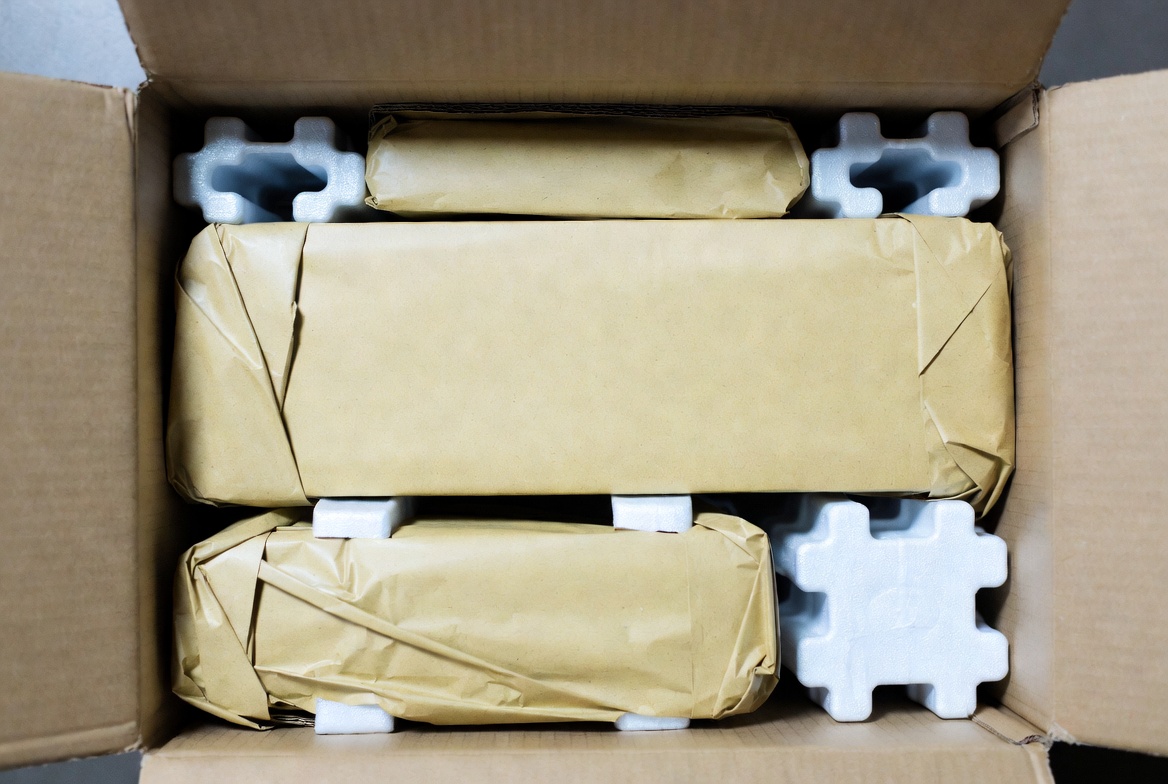
Choosing the right material depends on the product type, shipping distance, and protection needs. For a manufacturer like Maituohong Packaging, this is where custom structure and board strength become key advantages.
| Material | Best For | Key Advantage |
|---|---|---|
| Corrugated shipping box | General ecommerce, B2B shipping, fragile products | Strong, recyclable, economical |
| Rigid box with outer shipper | Premium products, luxury items, gifts | High-end feel with better protection |
| Opaque poly mailer | Soft goods, apparel, light accessories | Lightweight and low-cost |
| Kraft paper wrap | Re-boxing branded items | Conceals logos and reduces visibility |
| Foam or pulp inserts | Fragile or high-value products | Reduces impact and movement |
For premium paper packaging, corrugated mailer boxes and custom shipping boxes are often the best fit because they balance strength, branding control, and sustainability.
A good discreet package should feel ordinary, but still perform like a premium shipping system. That balance is what separates professional packaging from a low-effort plain box.
Avoid oversized cartons. Large empty spaces can make a parcel look suspicious, while a box that is too small may damage the contents.
If the item shape is easy to guess from the outside, wrap it or double-box it. The goal is to make the package look neutral and proportional.
Eliminate branding, vivid colors, model names, and product photography. If a branded inner carton must be used, place it inside a plain outer carton.
Packing slips, invoices, and product references should not be placed on the outside of the box. Exterior documents can immediately reveal the contents.
For high-value shipments, use tamper-evident tape, tracking, and signature confirmation.
Discreet does not mean deceptive. Shipping documents still need to be accurate and legally compliant, especially for international parcels.
That matters more in 2026 because packaging regulation is becoming stricter in major markets. The UK packaging EPR guidance remains active and updated, while the EU's Packaging and Packaging Waste Regulation is set to apply from 12 August 2026 with new rules on traceability, EPR, and packaging identification.
For exporters, this means the outside of the package can stay plain, but customs declarations, product classification, and compliance records must remain truthful.
Discreet packaging is evolving alongside the wider packaging industry. Sustainability, regulation, automation, and waste reduction are shaping how brands design shipping solutions in 2026.
Three trends matter most:
- Sustainability-first materials. Brands are moving toward recyclable paper-based formats and better material efficiency.
- Regulatory pressure. EPR and packaging traceability rules are increasing documentation and design discipline.
- Minimalist industrial design. Neutral, clean packaging aligns well with discreet shipping and modern premium presentation.
For manufacturers, this creates an opportunity. The best discreet packaging now combines privacy, recyclability, and supply-chain efficiency in one structure.
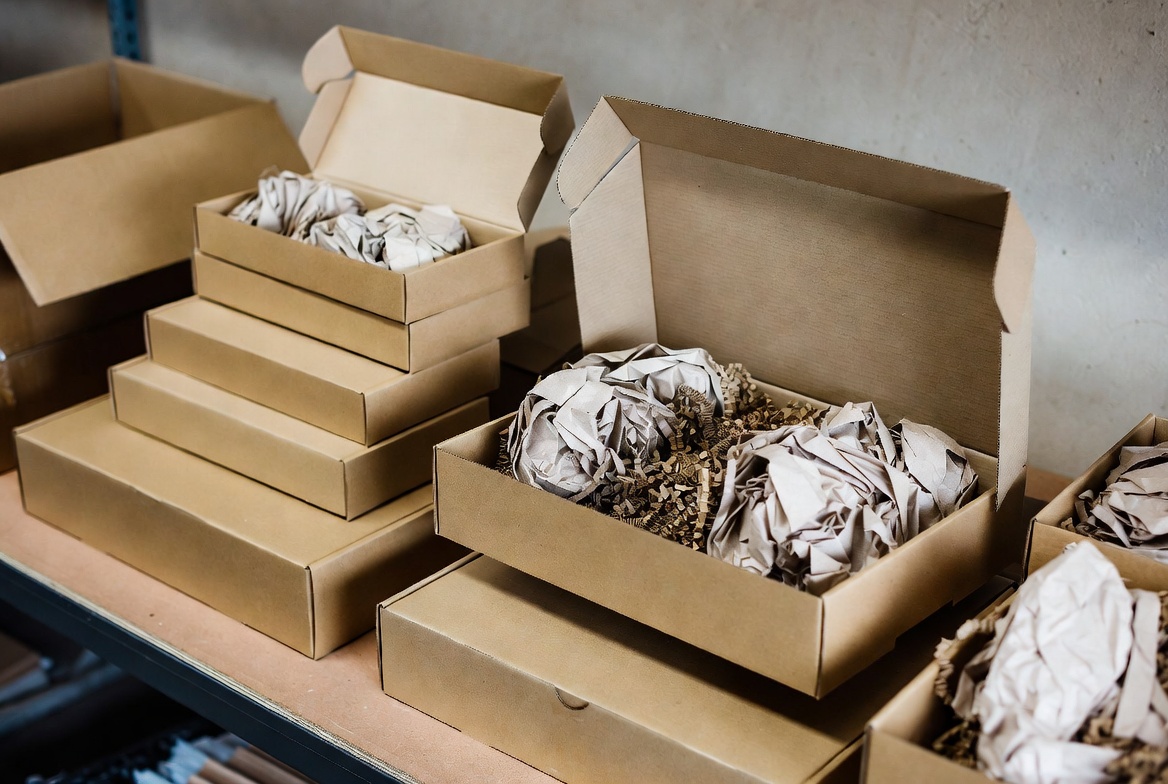
Discreet packaging is widely used across sectors. The most successful implementations are usually simple, repeatable, and aligned with the product category.
High-value products are natural candidates because discreet packaging reduces attention during transit and delivery.
Customers often prefer privacy for health-related orders. Neutral packaging helps avoid embarrassment and builds trust.
Plain shipping helps preserve the surprise, especially for birthday, holiday, or anniversary purchases.
In industrial shipping, discreet packaging can help reduce unnecessary attention while keeping cartons standardized across different SKUs. This is especially useful when shipping to warehouses, resellers, or field teams.
A discreet packaging system works best when the whole process is standardized. That means the packaging team, fulfillment process, and shipping rules should all support the same goal.
1. Create standard box SKUs for different product sizes.
2. Use plain labels and remove unnecessary brand references.
3. Train staff to pack consistently.
4. Photograph packed shipments for quality control.
5. Use carrier services with tracking and proof of delivery.
6. Offer signature confirmation for high-value orders.
These steps improve consistency and lower the risk of packaging errors that could expose contents or damage products.
Many customers do not ask for luxury presentation first. They ask for privacy, reliability, and safe delivery.
That is why discreet packaging often performs well in product reviews. When customers feel their order was handled carefully and delivered without unwanted attention, it strengthens trust in the brand.
For a packaging manufacturer, this is an important UX lesson: the best shipping experience is not always the flashiest one. Sometimes, the best experience is the one that no one notices.
Discreet packaging is one of the simplest ways to improve privacy, reduce theft exposure, and create a more professional delivery experience. When done correctly, it supports customer trust, operational consistency, and regulatory compliance at the same time.
If your brand ships premium, sensitive, or high-value products, a custom plain shipping box or mailer box can be the right solution. Maituohong Packaging can help you develop discreet, durable, and recyclable packaging structures tailored to your product and distribution needs.
Discreet packaging is plain, unbranded packaging that does not reveal the contents or sender details of a shipment.
Brands use it to protect customer privacy, reduce theft risk, and deliver products in a more neutral and professional way.
No. It is also used for luxury goods, gifts, high-value items, B2B shipments, and any order where privacy matters.
Corrugated boxes, rigid outer shippers, opaque mailers, kraft paper wrap, and custom inserts are common choices depending on the product.
Yes. A package can be plain on the outside and still feel premium through clean structure, strong board quality, precise fit, and well-designed internal protection.
It should not. Shipping documents and customs declarations must still be accurate and lawful, even when the outer packaging is neutral.
1. Shopify. "Discreet Packaging: Benefits and Best Practices for Ecommerce." [https://www.shopify.com/blog/discreet-packaging] [shopify]
2. Shopify. "What is discreet shipping? When and how to use it." [https://www.shopify.com/blog/discreet-shipping] [goshippo]
3. ShipBob. "Ecommerce Guide to Discreet Packaging & Shipping Solutions." [https://www.shipbob.com/blog/discreet-shipping/] [shipbob]
4. Pitney Bowes. "Discreet Shipping & Packaging Explained." [https://www.pitneybowes.com/us/blog/discreet-shipping-guide.html] [pitneybowes]
5. U.S. Postal Service Office of Inspector General. "Package Theft in the United States." [https://www.uspsoig.gov/reports/white-papers/package-theft-united-states] [uspsoig]
6. UK Government. "Extended producer responsibility for packaging." [https://www.gov.uk/government/collections/extended-producer-responsibility-for-packaging] [gov]
7. Intertek. "Get ready for the EU's packaging regulation: PPWR Requirements effective from August." [https://www.intertek.com/products-retail/insight-bulletins/2026/1536-eu-ppwr-requirements-effective-from-august/] [intertek]
8. Packaging Dive. "5 packaging industry trends to watch in 2026." [https://www.packagingdive.com/news/packaging-industry-trends-2026-epr-labeling-containerboard-automation/809071/] [packagingdive]
9. Sustainable Packaging Coalition. "2026 Sustainable Packaging Trends Report." [https://sustainablepackaging.org/2026-sustainable-packaging-trends-report/] [sustainablepackaging]
10. VistaPrint. "10 Notable Packaging Trends For 2026." [https://www.vistaprint.com/hub/packaging-design-trends] [vistaprint]
11. Racklify. "Discreet Packaging and Customer Trust - Racklify." [https://racklify.com/encyclopedia/how-discreet-packaging-enhances-customer-trust-in-e-commerce-logistics/] [racklify]
12. Tycoon Packaging. "Everything You Need To Know About Discreet Packaging." [https://tycoonpackaging.com/everything-you-need-to-know-about-discreet-packaging/] [queleparece]


