
Views: 272 Author: Maituohong Packaging Publish Time: 2026-07-22 Origin: Site


Content Menu
● Why Electronic Packaging Matters
● Electronic Packaging Trends in 2026
>> Sustainable Materials Are Becoming Standard
>> Minimal Designs Feel More Premium
>> Right-Sized Boxes Improve Efficiency
>> Interactive Details Add Value
>> Design for the Full Unboxing Journey
>> Use Inserts to Improve Safety
● What Strong Packaging Should Achieve
● Why Work With Maituohong Packaging
● FAQ
>> 1. What is electronic packaging?
>> 2. What materials are best for electronic packaging?
>> 3. Why is right-sizing important?
>> 4. How can packaging make electronics feel more premium?
>> 5. Should packaging be tested before mass production?
Electronic packaging is no longer just a protective shell. In 2026, it is part of the product experience, the shipping strategy, and the brand story. For electronics brands, the right box can reduce damage, improve unboxing, and make the product feel more valuable before it is even opened.
Today's buyers notice more than print quality. They notice whether the packaging feels clean, secure, easy to open, and aligned with modern expectations for lower-waste materials. That is why the best packaging design now combines structure, sustainability, and presentation in one system.
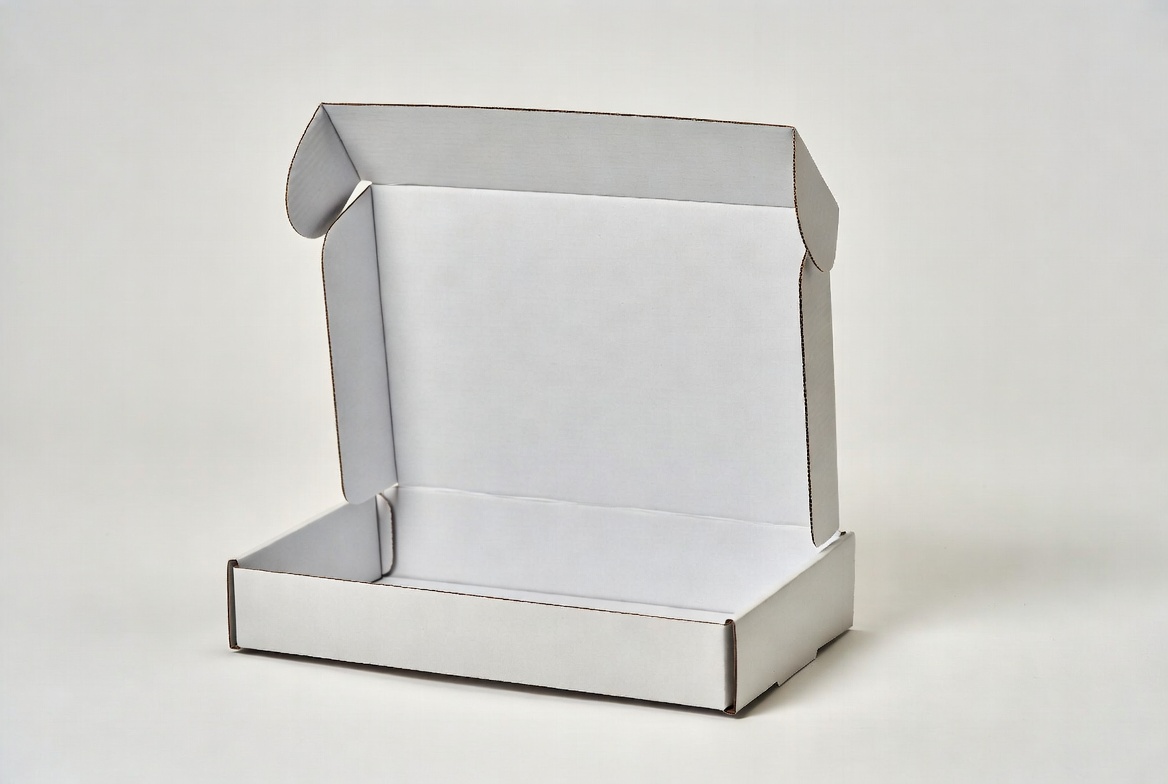
Packaging affects more than appearance. It influences shipping cost, warehouse efficiency, product safety, and customer satisfaction. A box that is too large can raise dimensional shipping charges, while a box that is too weak can lead to returns and complaints.
For electronics, this matters even more because many products are fragile, sensitive to movement, or shipped with accessories that must stay organized. Good packaging protects the product during transit and supports a smooth first impression when the customer opens the box.
Recycled cardboard, molded fiber, and other paper-based materials are increasingly important in electronics packaging. These materials help brands reduce plastic use while still maintaining a professional look and reliable performance.
Consumers are also paying closer attention to packaging waste. That means brands using recyclable, paper-based, or lower-impact materials can strengthen trust while supporting environmental goals.
Clean packaging continues to work well for electronics because it creates a modern and organized appearance. Simple layouts, controlled color use, and sharp typography often make a product feel more refined than busy graphics.
Minimal design also gives brands more room to include labels, barcodes, handling information, and product details without crowding the surface. This makes the box easier to use in both retail and shipping environments.
A box should fit the product as closely as possible while still leaving enough room for protection. Right-sizing reduces wasted space, lowers fill material use, and can help control shipping costs.
It also improves the unboxing experience. When a product does not shift around inside the box, it feels more secure and polished. That small difference can shape how customers judge the brand.
Small interactive touches can make a packaging experience more memorable. A QR code, interior print, or short support message inside the box can turn packaging into a useful brand touchpoint.
For electronics, this can also be practical. QR codes can link to setup guides, warranty registration, or support pages, helping customers get started faster and reducing confusion after delivery.
| Box Type | Best For | Main Benefit |
|---|---|---|
| Tab-locking mailer | Small electronics, accessories, branded kits | Clean presentation and easy opening |
| RSC shipping box | Heavier electronics and bulk shipments | Strong and cost-effective |
| Literature mailer | Flat kits, inserts, manuals | Organized product layout |
| Corrugated insert box | Fragile devices and multi-part sets | Better product stability |
| Rigid paperboard box | Premium electronics and gift-style products | High perceived value |
The right structure depends on product weight, fragility, and how the box will be shipped. A premium structure may be ideal for retail presentation, while a stronger corrugated shipper may be better for direct-to-customer logistics.
The most effective packaging starts with the item itself. Measure the product carefully, then consider its weight, shape, accessories, and sensitivity to impact.
From there, choose the board grade, insert style, and closure method that match the product's real shipping conditions. This avoids unnecessary material use while improving protection where it matters most.
A strong unboxing experience should feel smooth from the first touch. Easy-open tabs, well-placed prints, and organized internal compartments help the package feel intentional and easy to use.
This does not mean the design needs to be complex. Often, the most effective solution is a clean exterior with a thoughtful interior that reveals the product in a neat and controlled way.
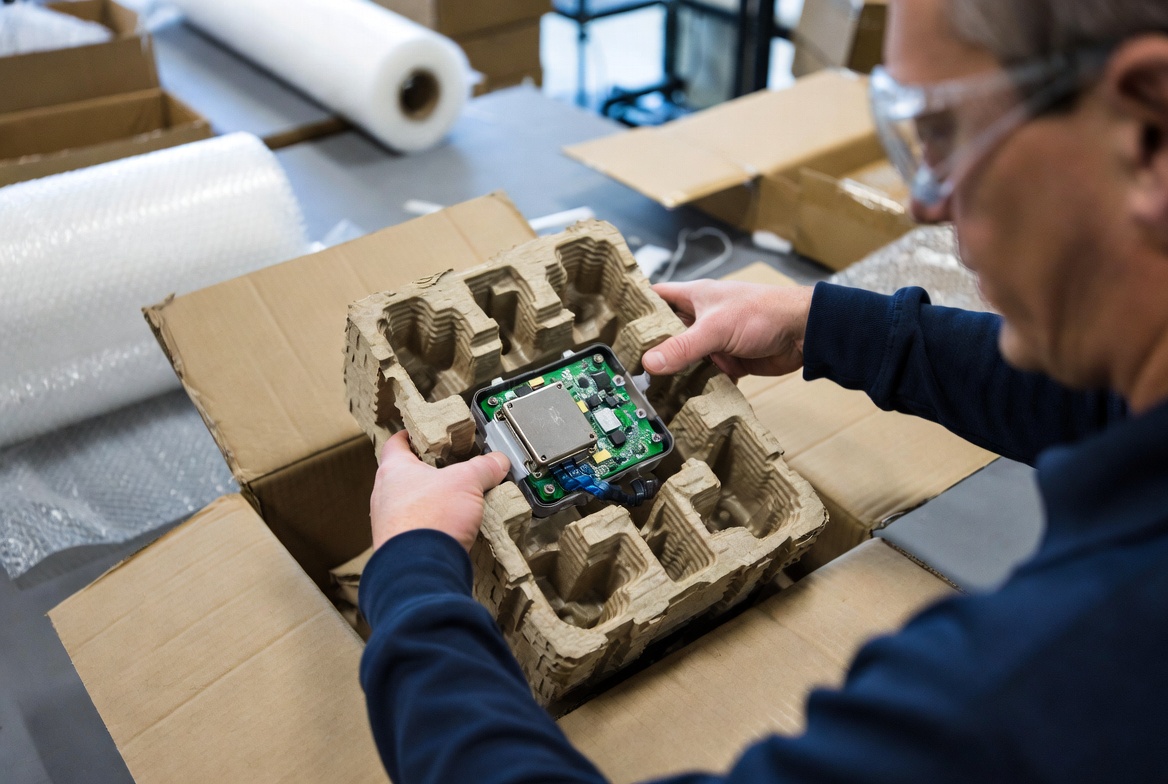
Inserts help keep electronics stable during transit. Corrugated inserts, molded fiber trays, and paper-based supports can all reduce movement and improve consistency during packing.
This is especially important for products with multiple pieces, removable cables, or delicate finishes. Once the item is locked in place, the risk of scuffing and impact damage drops significantly.
A packaging design should always be checked before a full run. Even a strong-looking box can fail if the product moves too much or the structure cannot handle real shipping conditions.
A simple testing process can include:
1. Packing sample units with final inserts.
2. Dropping the package from different sides and corners.
3. Checking for crush, scuffing, and movement.
4. Testing tape, closures, and label adhesion.
5. Refining the structure before mass production.
This step protects both product quality and brand reputation. It is far more cost-effective to adjust a prototype than to deal with damage after launch.
Good electronic packaging should do three things at once:
- Protect the product during shipping.
- Present the brand clearly and professionally.
- Reduce waste and unnecessary cost.
When all three are balanced properly, packaging becomes more than a container. It becomes part of the product value itself.
Maituohong Packaging has more than 18 years of experience in custom paper packaging, including mailer boxes, shipping boxes, rigid gift boxes, and tailored paper packaging solutions. That experience is especially valuable for electronics brands that need packaging to look premium while still performing reliably in transit.
Whether you need a custom mailer box, a durable shipping box, or a full paper packaging solution, the goal is the same: create packaging that supports the product, strengthens the brand, and improves the customer experience.
The best electronic packaging in 2026 is simple, practical, and well-built. It protects the product, respects the customer, and reflects a modern brand identity. If your packaging can do those three things well, it is already doing the job better than most.
If you are looking to improve your electronic packaging, now is the right time to review your structure, material choice, and unboxing experience. Maituohong Packaging can help you develop custom packaging that fits your product and your brand goals.
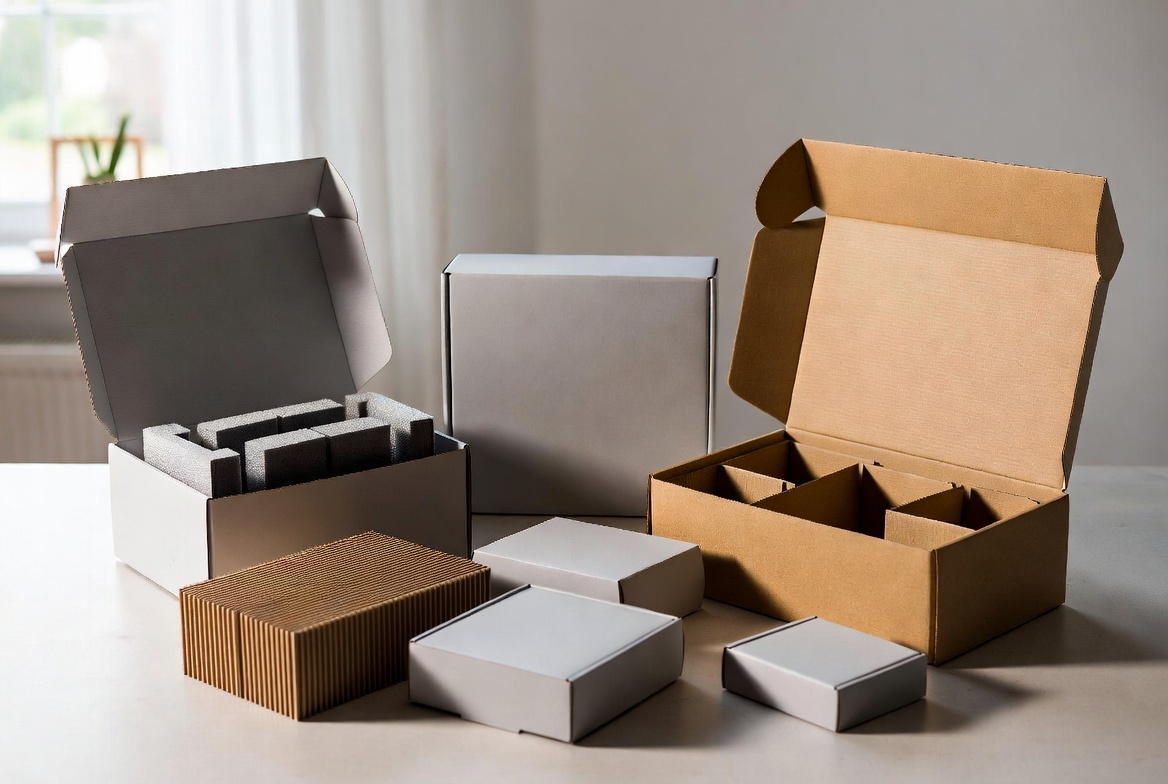
Electronic packaging is the box or container used to protect and present electronic products during storage, shipping, and delivery. It often includes inserts, closures, and branding elements.
Common choices include corrugated cardboard, recycled cardboard, molded fiber, and rigid paperboard. The best option depends on product weight, fragility, and presentation goals.
Right-sizing reduces wasted space, helps control shipping costs, and keeps the product from moving too much inside the box. It also improves the overall presentation.
A clean layout, strong structure, neat inserts, and a smooth opening experience can make electronics feel more premium and more carefully made.
Yes. Testing helps check whether the structure can handle real shipping conditions and prevents damage, returns, and rework after launch.
- [Electronic Packaging Designs In 2024 That Takes The Lead]
- [Tips for Designing Custom Shipping Boxes That Impress Customers]
- [Greener Gadget Packaging: Eco-Friendly Solutions for Electronics Manufacturers]
- [Eco-Friendly Packaging Options for the Electronics Industry]
- [Packaging Design Trends 2026: The Ultimate Guide]
- [Packaging Trends Shaping Consumer Electronics Brands in 2026]


