
Views: 259 Author: Maituohong Packaging Publish Time: 2026-07-19 Origin: Site


Content Menu
● Why packaging material matters
● Main types of packaging materials
>> Paperboard
>> Rigid board
>> Kraft paper
>> Metal, foil, and specialty materials
● How to choose the right material
● Sustainability and 2026 trends
● Practical packaging selection table
● Expert packaging recommendations
● Why custom paper packaging wins
● Working with the right manufacturer
● FAQ
>> 1. What is the best packaging material for mailer boxes?
>> 2. What is the best material for luxury packaging?
>> 3. Is kraft paper good for eco-friendly packaging?
>> 4. How do I choose between paperboard and corrugated cardboard?
>> 5. Are paper-based packaging materials sustainable?
>> 6. Can custom packaging improve sales?
Choosing the right packaging material is no longer just a production decision. It affects product protection, shipping cost, brand perception, sustainability performance, and customer experience. For brands that use mailer boxes, shipping boxes, rigid boxes, or other custom paper packaging, the material you choose can determine whether your packaging feels premium, survives transit, and supports long-term growth.
At Maituohong Packaging, we have seen one clear pattern across industries: the best packaging material is rarely the cheapest or the strongest alone. It is the material that balances function, print quality, structural performance, and market expectations. This guide explains the main types of packaging materials, where each one works best, and how modern brands can make smarter packaging decisions in 2026 and beyond.
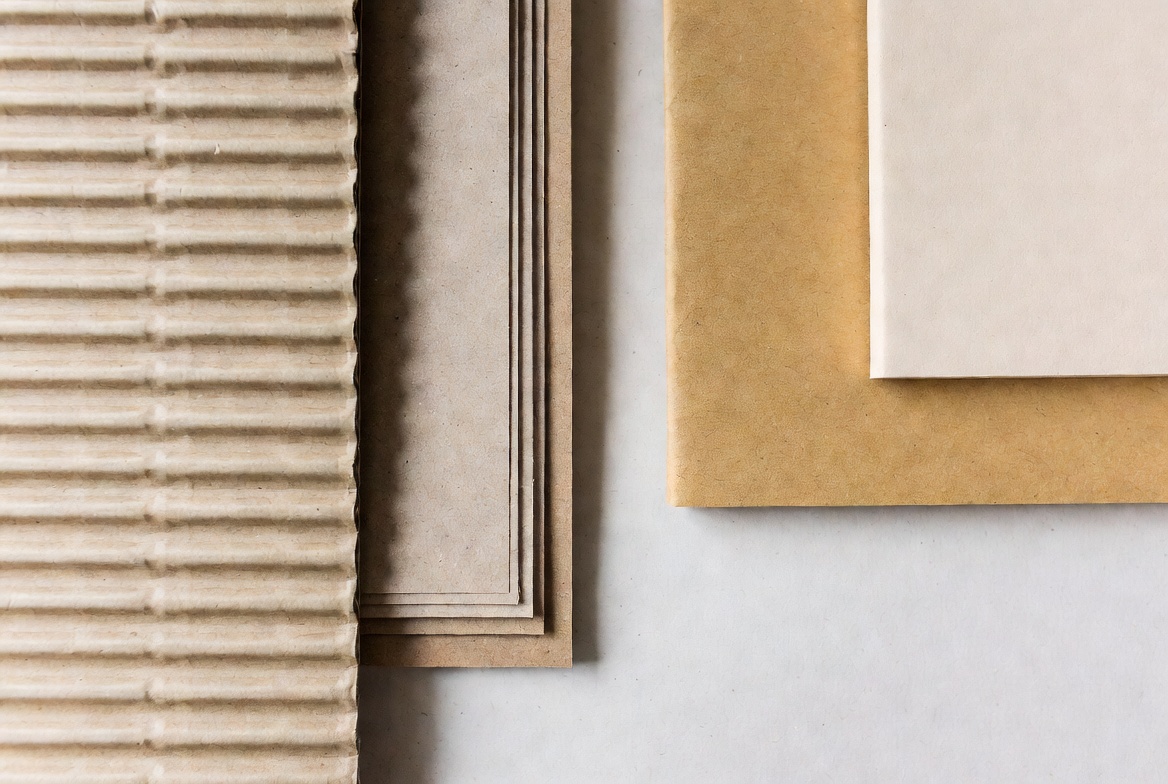
Packaging is the first physical touchpoint between your brand and the customer. Before a product is opened, the material already communicates value, care, and positioning. A sturdy corrugated shipping box suggests reliability, while a well-finished rigid box signals premium quality and attention to detail.
Packaging material also affects operational performance. Lightweight paper-based structures can reduce freight burden, while stronger board grades improve damage resistance in transit. For export-focused brands, this balance is especially important because packaging must survive warehouse handling, international shipping, and final-mile delivery without damaging the product inside.
Paperboard is one of the most widely used materials for printed packaging because it is lightweight, versatile, and highly printable. It is often used for product cartons, cosmetic boxes, food packaging, and gift packaging where appearance matters as much as protection.
For brands that prioritize visual presentation, paperboard offers a smooth surface for offset printing, digital printing, foil stamping, embossing, and specialty coatings. It is also a strong choice when the packaging needs to feel refined without becoming too heavy or expensive.
Corrugated cardboard is the backbone of shipping packaging. Its fluted middle layer gives it strength, cushioning, and compression resistance, which makes it ideal for mailer boxes and shipping boxes used in e-commerce, wholesale distribution, and cross-border logistics.
This material is especially valuable when products need protection from impact, stacking pressure, and rough handling. It is also widely chosen because it supports branding while remaining efficient for bulk production and transport.
Rigid board is used for premium packaging where structure and presentation are equally important. It is commonly selected for luxury gift boxes, electronics, jewelry, cosmetics, and high-value retail packaging.
Compared with folding cartons, rigid boxes provide a more substantial unboxing experience. They are also more durable and less prone to deformation, which makes them a strong option when brands want packaging that feels collectible or gift-worthy.
Kraft paper is popular because of its natural look, recyclability, and strong brand association with eco-friendly packaging. It works well for minimalist packaging, inner wrapping, void fill, sleeves, and certain mailer box applications.
Many brands use kraft when they want a more authentic, earthy, and sustainability-focused identity. It is especially useful for businesses that want packaging to feel simple, responsible, and modern at the same time.
Plastic remains relevant in certain packaging categories because it offers moisture resistance, flexibility, and barrier protection. It is often used for food preservation, protective wrapping, and specialty applications where paper alone cannot meet the technical requirement.
However, the industry is moving toward recyclable, lighter, and more circular formats because regulators and customers are pushing brands away from excessive single-use plastic. In practice, many brands now reserve plastic for only the parts of the package that truly need it.
Metalized or foil-based materials are usually selected when barrier performance or visual premiumization is a priority. These materials can improve shelf appeal and add protection against light or moisture in specific use cases.
They are not the default choice for shipping boxes or mailer boxes, but they can play a supporting role in inserts, inner wraps, and branded accents. For premium packaging programs, they can be effective when used sparingly and strategically.
The best material depends on your product, your shipping route, and your brand goals. A fragile product moving internationally needs a very different structure from a lightweight retail item sold locally.
Use the following decision framework:
1. Start with the product weight and fragility. Heavier or fragile products need stronger board grades and better cushioning.
2. Consider the shipping environment. Long-distance or export shipments need more structural protection than local delivery.
3. Match the material to the brand image. Luxury products need packaging that looks and feels premium, while eco-focused brands may prefer kraft or mono-material paper structures.
4. Check print and finishing requirements. If branding is central, choose a material that supports your visual system well.
5. Evaluate sustainability goals. Recyclable and fiber-based materials are becoming more important as circular packaging and recyclable design gain momentum.
Mailer boxes and shipping boxes are often grouped together, but they serve different priorities. Mailer boxes usually emphasize brand presentation, easy folding, and a neat unboxing experience, while shipping boxes are built more for protection, stacking strength, and logistics efficiency.
For DTC brands, a mailer box can do both jobs if the board grade and structure are properly engineered. For heavier or more fragile products, a shipping box with a stronger corrugated specification may be the better choice. The right answer depends on how much abuse the package must survive before it reaches the customer.
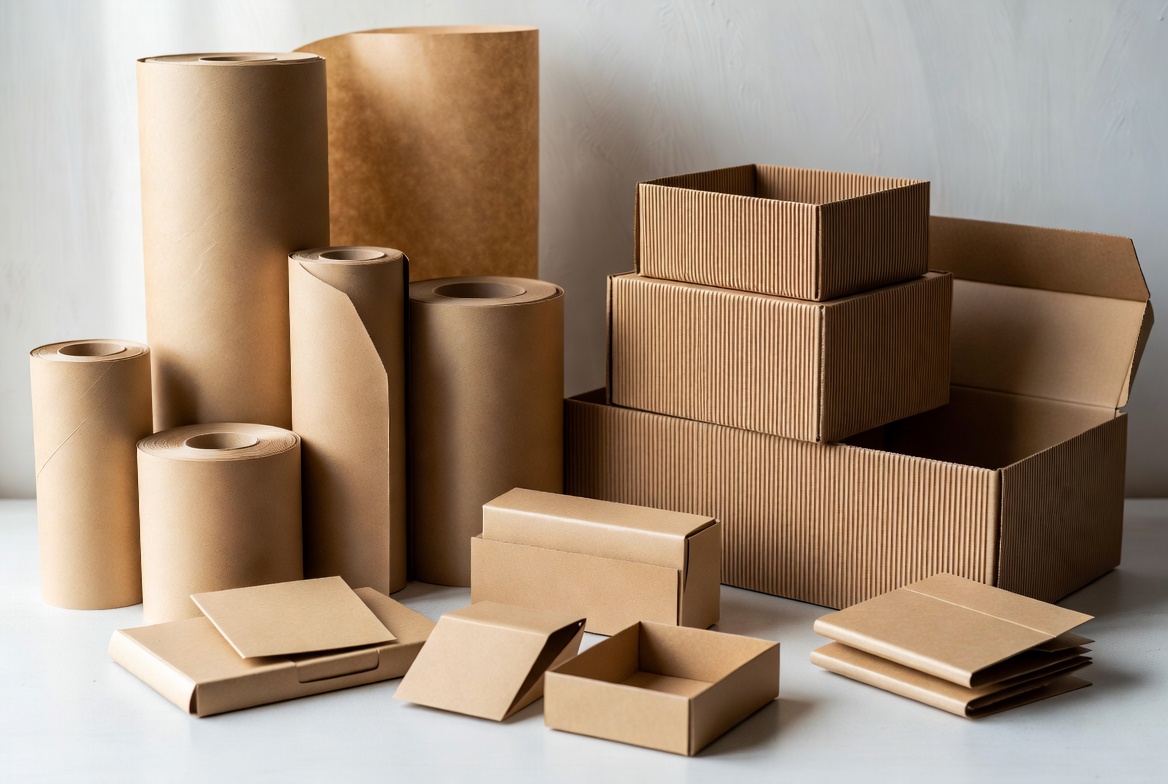
Packaging material selection is increasingly influenced by sustainability expectations and regulatory pressure. Industry reporting in 2026 shows stronger demand for recyclable materials, circular packaging systems, and reduced material waste.
Several trends are shaping packaging decisions right now:
- Recyclable and mono-material structures are becoming more important because they simplify end-of-life processing.
- Lightweighting helps reduce shipping costs and emissions by using less material without sacrificing performance.
- Reusable and refillable systems are gaining ground in sectors that want to reduce single-use waste.
- Smart packaging is expanding through QR codes and digital information that improves traceability and disposal guidance.
For paper packaging manufacturers, this creates a strong opportunity. Brands want packaging that looks premium, protects well, and aligns with circular design principles. That is exactly where well-engineered paperboard, corrugated cardboard, and kraft-based solutions perform best.
| Packaging material | Best use case | Strengths | Limitations |
|---|---|---|---|
| Paperboard | Retail cartons, printed product boxes | High print quality, lightweight, versatile | Less protective for heavy shipping |
| Corrugated cardboard | Mailer boxes, shipping boxes | Strong, cushioning, cost-efficient | Bulkier than folding cartons |
| Rigid board | Luxury boxes, premium gifting | Excellent structure and presentation | Higher cost and weight |
| Kraft paper | Eco-style packaging, wraps, sleeves | Recyclable look, natural branding | Lower premium feel unless designed well |
| Plastic-based materials | Barrier and moisture-sensitive uses | Flexible, protective, moisture-resistant | Less aligned with circular packaging trends |
| Metalized/foil materials | Special finishes and barrier needs | Premium appearance, added protection | Not ideal for every packaging format |
From a manufacturer's perspective, the most effective packaging programs usually follow one rule: design from the product outward. That means starting with protection requirements, then moving into structure, then print, then finishing.
For example, a lightweight skincare brand might use a rigid outer box for perceived value, while protecting the product itself with a corrugated shipper. A subscription brand may use a branded mailer box with a corrugated structure and kraft-style visual language to keep costs and sustainability aligned.
This approach helps avoid overpackaging, underpackaging, and inconsistent customer experience. It also makes scaling easier because the packaging system is built on logic rather than aesthetics alone.
For many modern brands, custom paper packaging offers the best balance of performance, branding, and sustainability. It supports rich printing, clean structural design, and broad customization across mailer boxes, shipping boxes, rigid boxes, inserts, and sleeves.
It also fits the direction the market is moving in 2026: less waste, more recyclability, and more thoughtful packaging systems. When engineered properly, paper-based packaging can look premium, protect effectively, and support a better customer experience from warehouse to doorstep.
A good packaging supplier does more than produce boxes. It helps you choose the right materials, optimize dimensions, reduce unnecessary cost, and align the packaging with your brand and logistics needs. That is especially important for companies shipping internationally or launching new product lines.
At Maituohong Packaging, we focus on custom mailer boxes, shipping boxes, rigid gift boxes, and other paper packaging solutions designed for real-world performance. The right packaging partner should help you turn packaging into a strategic business asset, not just a container.
The best packaging material is the one that fits your product, brand, and shipping conditions at the same time. For most mailer boxes and shipping boxes, corrugated cardboard, paperboard, kraft paper, and rigid board remain the most practical choices because they balance structure, printability, and market expectations.
If you are building a packaging system for export, e-commerce, or premium retail, now is the right time to review your material strategy and upgrade it for sustainability, durability, and brand value.
Corrugated cardboard is usually the best option because it offers strong protection, good printability, and efficient shipping performance.
Rigid board is usually the best choice for luxury packaging because it provides excellent structure, premium presentation, and a high-end unboxing feel.
Yes. Kraft paper is widely used for eco-friendly packaging because it supports a natural look and fits recyclable, fiber-based packaging strategies.
Choose paperboard for lighter retail packaging and corrugated cardboard for shipping boxes or products that need stronger protection.
They can be, especially when sourced responsibly and designed for recyclability. Current industry trends strongly favor recyclable, mono-material, and fiber-based packaging systems.
Yes. Packaging influences first impressions, perceived value, and unboxing experience, all of which can affect conversion and repeat purchase behavior.
1. [Comprehensive Guide To The Different Types of Packaging Materials]
2. [Packaging trends shaping 2026 and beyond]
3. [2026 Sustainable Packaging Trends Report]
4. [Packaging materials: a guide to help you find your product's perfect match]
5. [Sustainable Packaging Trends: Insights You Must Know in 2026]


