
Views: 208 Author: Maituohong Packaging Publish Time: 2026-07-17 Origin: Site


Content Menu
● Why Packaging Matters for Baked Goods
● Choose Packaging by Product Type
● Shipping Setup That Prevents Damage
● Better Presentation, Better Perceived Value
● Sustainability and Brand Fit
● FAQ
>> What is the best box for shipping baked goods?
>> How do you keep baked goods fresh during shipping?
>> Should cookies be shipped in paper or plastic packaging?
>> How do you ship cupcakes without ruining the frosting?
>> Why do some baked goods need insulated packaging?
>> Is paper packaging good for bakery products?
Shipping baked goods successfully takes more than a sturdy box. It requires the right mix of freshness protection, product support, and presentation so your items arrive looking and tasting the way they should. [creativeretailpackaging]
For bakeries, home bakers, and direct-to-consumer food brands, packaging is part of the product experience. The right mailer box or shipping box can reduce breakage, control moisture, improve shelf life, and help customers remember your brand for the right reasons. [mrtakeoutbags]
Baked goods are delicate by nature. They can lose moisture, absorb moisture, stale, crack, or smudge quickly if the packaging is not matched to the product. [creativeretailpackaging]
Packaging also affects perceived quality. A neat, well-fitted box signals care and professionalism, while a loose or flimsy package can make even a great product feel less premium. [mrtakeoutbags]
The main goals are simple:
- Protect the product from crushing and movement.
- Reduce moisture transfer and grease migration.
- Preserve texture and flavor for as long as possible.
- Create a clean unboxing experience. [creativeretailpackaging]
Not every baked item should be packed the same way. Cookies, cupcakes, bread, pastries, and frosted cakes have different needs, so your packaging should follow the product instead of using one universal box. [impack]
| Baked good | Better packaging choice | Why it works |
|---|---|---|
| Cookies | Resealable bag, glassine pouch, or rigid mailer box | Helps reduce breakage and keeps texture stable (impack) |
| Cupcakes | Box with insert | Keeps frosting from touching the lid and prevents shifting (impack) |
| Brownies and bars | Paper wrap or grease-resistant liner inside a shipping box | Limits oil transfer and keeps the pack clean (impack) |
| Loaves and bread | Breathable paper bag or box | Helps avoid sogginess while preserving structure (impack) |
| Pastries | Snug paper-based box or padded mailer-style carton | Protects delicate shapes during delivery (impack) |
| Cakes | Strong bakery box with insert and outer shipper | Supports weight and reduces edge damage (mrtakeoutbags) |
The key idea is fit. If the package is too large, items slide around. If it is too tight, decorations get crushed. [mrtakeoutbags]
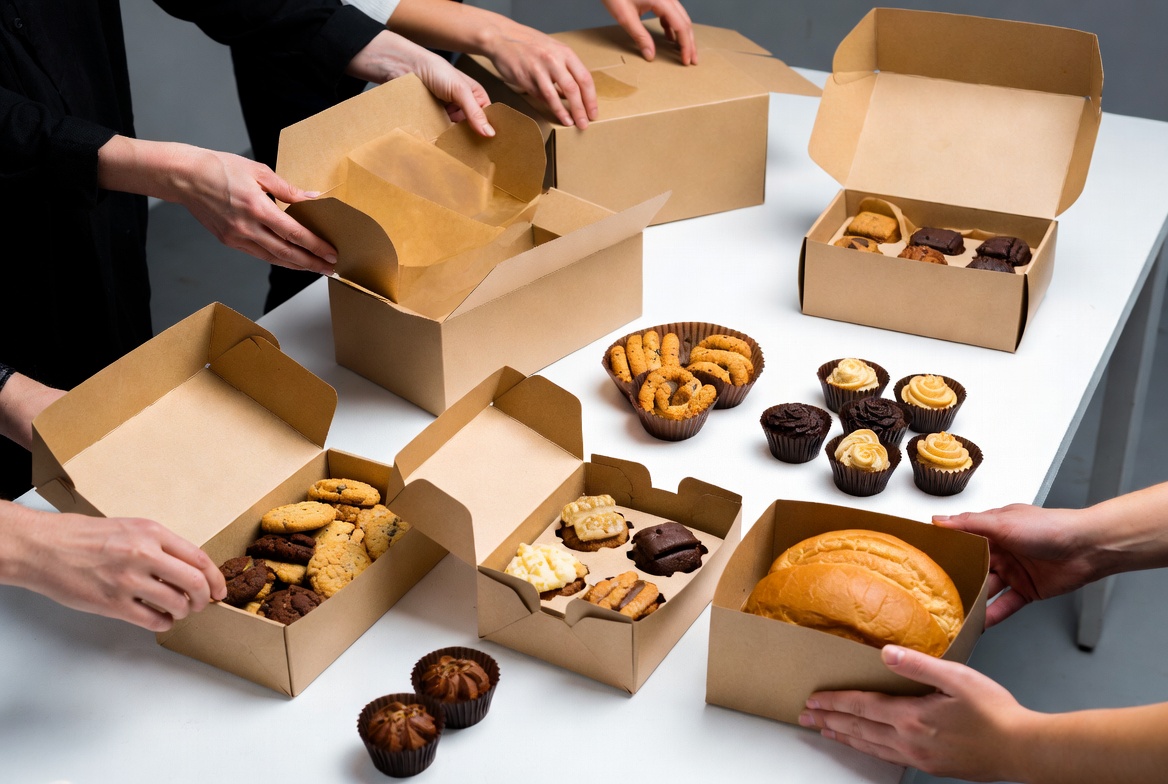
For many baked goods, paper-based packaging is the most practical choice because it can combine structure, printability, and a cleaner presentation. Corrugated shipping cartons, kraft mailers, paperboard bakery boxes, and grease-resistant liners each solve a different problem. [creativeretailpackaging]
Useful materials include:
- Corrugated outer boxes for transit protection.
- Paperboard boxes for retail-style presentation.
- Glassine or greaseproof paper for oily or buttery items.
- Parchment paper for separating layers.
- Inserts and dividers for cupcakes, slices, and delicate pastries. [impack]
When frozen storage or longer distribution is involved, packaging also needs to perform under temperature change. Food packaging experts note that bakery products deteriorate from staling, water loss, oxidation, and microbial growth, so barrier performance and temperature compatibility matter more than appearance alone. [creativeretailpackaging]
Freshness is one of the biggest reasons customers reorder. Baked goods can lose quality fast if moisture escapes or gets trapped in the wrong place, especially for products with crisp tops, creamy fillings, or delicate frostings. [creativeretailpackaging]
For shipping, use packaging that matches the product's moisture behavior:
- Use breathable paper solutions for products that soften easily.
- Use grease-resistant wraps for buttery or oily items.
- Use high-barrier or insulated packaging for temperature-sensitive desserts.
- Keep air exposure low when the product is prone to drying out. [creativeretailpackaging]
A practical rule is to let items cool completely before packing. Warm goods create condensation inside the package, and condensation leads to soggy surfaces, sticky frosting, and a shorter shelf life. [mrtakeoutbags]
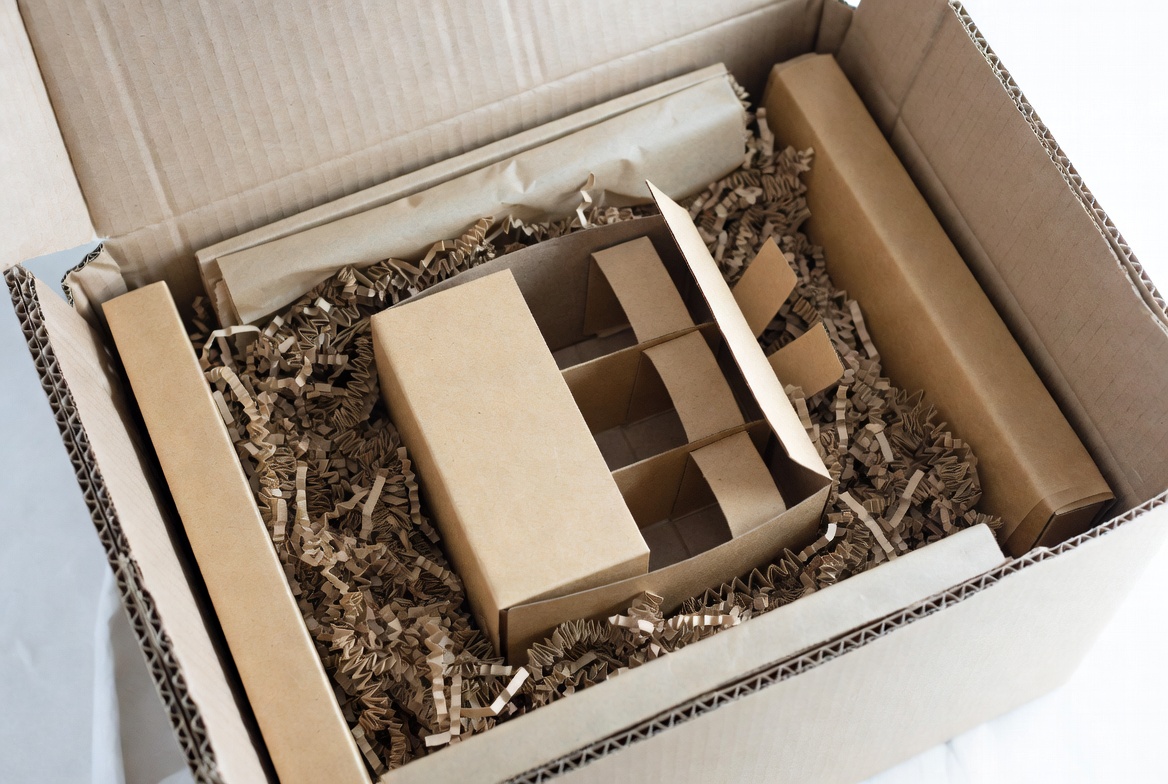
A good shipping setup starts with internal stabilization. The product should not move inside the box, and the box should not move inside the shipper. [mrtakeoutbags]
Use this packing sequence:
1. Cool the product fully.
2. Wrap or separate layers with food-safe paper.
3. Place the baked goods in a product-fit box or tray.
4. Add inserts, dividers, or cushioning where needed.
5. Put the inner box into a corrugated shipping carton.
6. Fill gaps so the contents cannot shift in transit. [mrtakeoutbags]
For fragile items like cakes and cupcakes, the inner fit matters most. A custom insert is often the difference between a perfect arrival and a damaged one. [impack]
Customers notice packaging before they taste anything. That means the box, closure, label, and internal arrangement all influence how premium the product feels. [mrtakeoutbags]
Small upgrades can make a large difference:
- Branded stickers create a finished look.
- Printed sleeves improve recognition.
- Window cutouts help display the product without opening the box.
- Tissue or parchment adds a neat, gift-ready impression. [celesteyum]
This is especially important for gift orders, subscription boxes, and online bakery brands. When the packaging feels thoughtful, the product often feels more valuable too. [creativeretailpackaging]
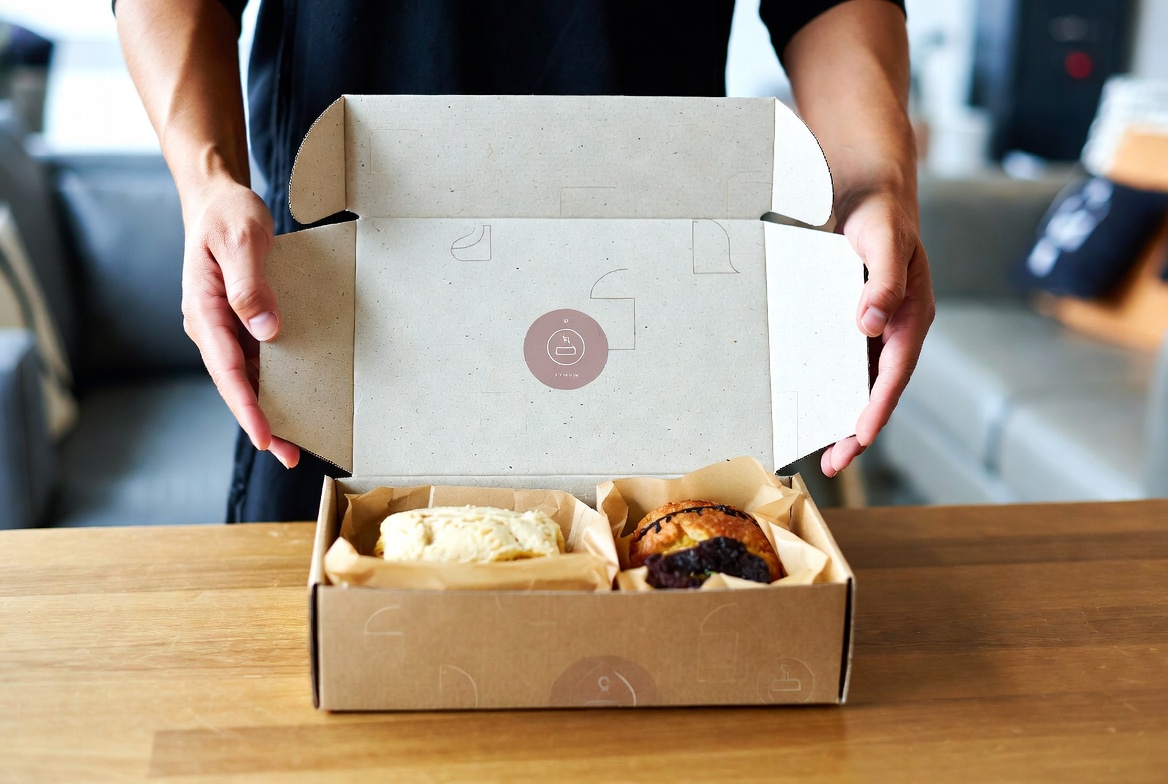
More bakery buyers now expect packaging that looks good and uses less material waste. Paper-based cartons, kraft boxes, and recyclable mailers are often a strong fit because they support both protection and a cleaner brand image. [impack]
That does not mean sustainability should replace function. A box that is recyclable but fails in transit still creates waste. The best solution is the one that balances durability, shelf appeal, and responsible material choice. [mrtakeoutbags]
For many food brands, custom paper packaging offers a practical middle ground: it is lightweight, printable, and adaptable to a wide range of product sizes. [studocu]
Many shipping problems come from a few avoidable errors. These mistakes are common, but they are also easy to fix with better packaging planning. [creativeretailpackaging]
Avoid the following:
- Packing warm items too early.
- Leaving too much empty space inside the box.
- Using packaging that is too thin for the item weight.
- Skipping inserts for stacked or decorated products.
- Choosing packaging based only on cost instead of product fit. [mrtakeoutbags]
Another mistake is treating all baked goods as short-distance products. A cookie for local pickup and a cheesecake for overnight shipping need very different packaging systems. [creativeretailpackaging]
Experienced bakery operators usually judge packaging on four points:
- Product protection.
- Freshness control.
- Ease of packing.
- Customer presentation. [mrtakeoutbags]
If one of those four fails, the whole package feels weaker. That is why custom packaging often outperforms generic stock boxes for growing bakery businesses. The structure can be matched to the product, and the branding can be built into the same piece. [wecustomboxes]
A small cookie brand shipping nationwide could use a resealable inner pouch, a fitted paperboard box for grouping, and a corrugated outer mailer for transit. That setup helps protect texture, reduces breakage, and creates a more polished unboxing moment. [creativeretailpackaging]
A cupcake seller, by contrast, would likely need a box with inserts plus an outer shipper to stop top damage and movement. The best package is always the one built around the product's weak point. [impack]
The best box depends on the product, but a sturdy corrugated outer box combined with a product-fit inner box is the safest option for most shipped baked goods. [mrtakeoutbags]
Cool the product completely, use the right liner or wrap, minimize empty space, and choose packaging that matches the product's moisture and temperature needs. [creativeretailpackaging]
Cookies often ship well in grease-resistant paper packaging, but a sealed inner pouch can help if the goal is to preserve softness or reduce moisture loss. [impack]
Use a cupcake box with inserts, keep the cupcakes from touching the lid, and place that box inside a larger shipping carton with gap filling for stability. [impack]
Temperature-sensitive items can lose quality quickly in transit, so insulation helps slow temperature change and protect texture, filling, and shelf life. [creativeretailpackaging]
Yes. Paper-based packaging is widely used because it is printable, practical, and adaptable for many bakery formats, especially when combined with liners, inserts, or corrugated protection. [impack]
- [Paper Mart – The Paper Mart Guide to Packaging and Shipping Baked Goods] [mrtakeoutbags]
- [Institute of Food Technologists – Packaging Solutions for Baked Goods] [creativeretailpackaging]
- [IMPack – A Guide To Bakery Packaging for Small Businesses] [impack]
- [Splash Packaging – How to Package Baked Goods to Maximize Freshness & Presentation] [splashpackaging]
- [Custom Box Makers – How to Ship Baked Goods Without Ruining Their Texture] [customboxmakers]
- [Custom Mailer Boxes – Benefits of Custom Mailer Boxes] [wecustomboxes]


