
Views: 202 Author: Maituohong Packaging Publish Time: 2026-07-18 Origin: Site


Content Menu
● Rigid Boxes vs Corrugated Boxes: Main Differences
● Which Box Is Better for Shipping?
● Which Box Is Better for Branding?
● Best Applications by Industry
● Sustainability Considerations
● FAQ
>> 1. Are rigid boxes stronger than corrugated boxes?
>> 2. Why are rigid boxes more expensive?
>> 3. Which box is better for e-commerce?
>> 4. Can rigid boxes be recycled?
>> 5. Can I use both rigid and corrugated boxes together?
Packaging is more than a container. It affects how a product is protected, perceived, shipped, stored, and remembered.
When brands compare rigid boxes and corrugated boxes, they are really comparing two different packaging philosophies. One is designed to create a luxury impression. The other is designed to perform in logistics. Choosing the wrong one can increase costs, weaken branding, or create unnecessary damage during transit.
Rigid boxes, sometimes called set-up boxes, are made from thick paperboard that does not fold flat. They have a firm, solid structure and are usually wrapped in printed or specialty paper to create a refined appearance.
These boxes are often used for products where presentation matters as much as protection. Common examples include luxury cosmetics, jewelry, watches, electronics, gift sets, and high-value promotional packaging.
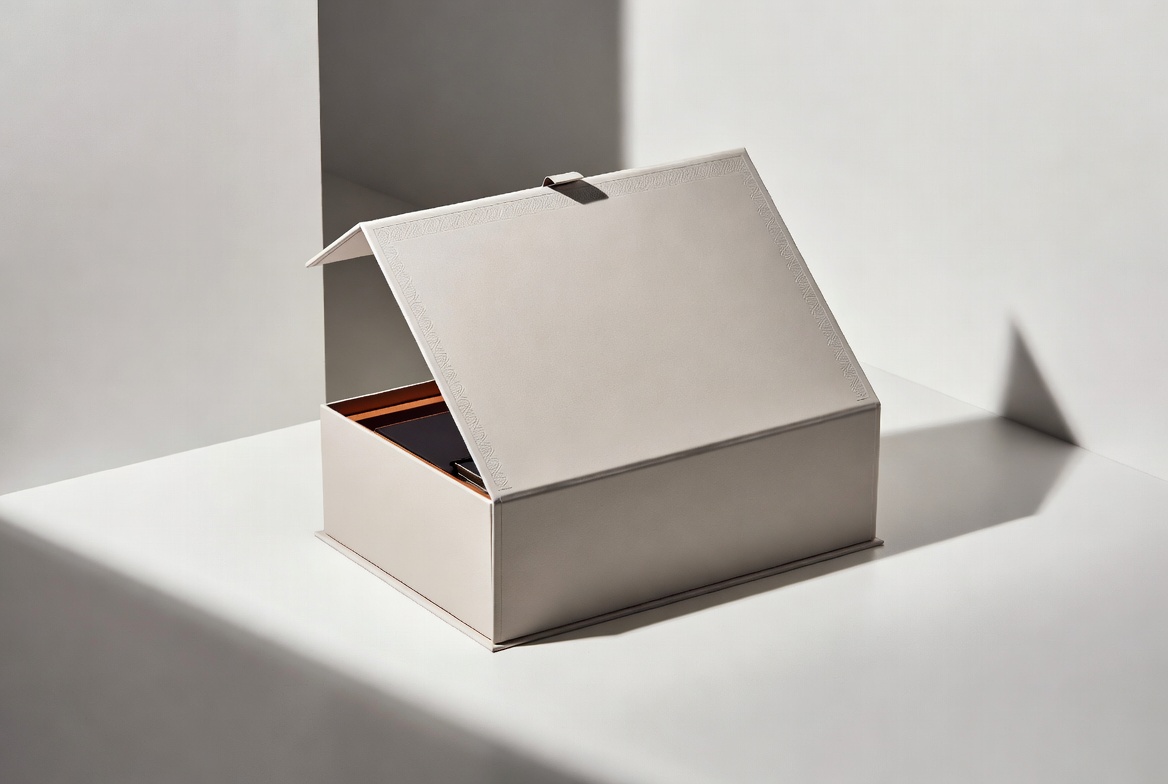
Corrugated boxes are made from a fluted inner layer sandwiched between linerboards. This structure gives them excellent cushioning, compression resistance, and overall shipping durability.
They are the standard choice for shipping cartons, e-commerce orders, subscription packaging, industrial transport, and bulk distribution. Because they can be shipped flat and assembled later, they are also highly efficient for storage and fulfillment.

Although both are paper-based packaging formats, their construction and performance are very different.
| Feature | Rigid Boxes | Corrugated Boxes |
|---|---|---|
| Structure | Dense, non-collapsible board | Fluted board with liners |
| Appearance | Premium, luxury, high-end | Practical, functional, versatile |
| Shipping | Usually needs outer protection | Designed for direct shipping |
| Storage | Takes more warehouse space | Ships flat for efficient storage |
| Cost | Higher | Lower |
| Best use | Presentation packaging | Transport and distribution |
Rigid boxes focus on feel, structure, and brand image. Corrugated boxes focus on protection, logistics, and operational efficiency.
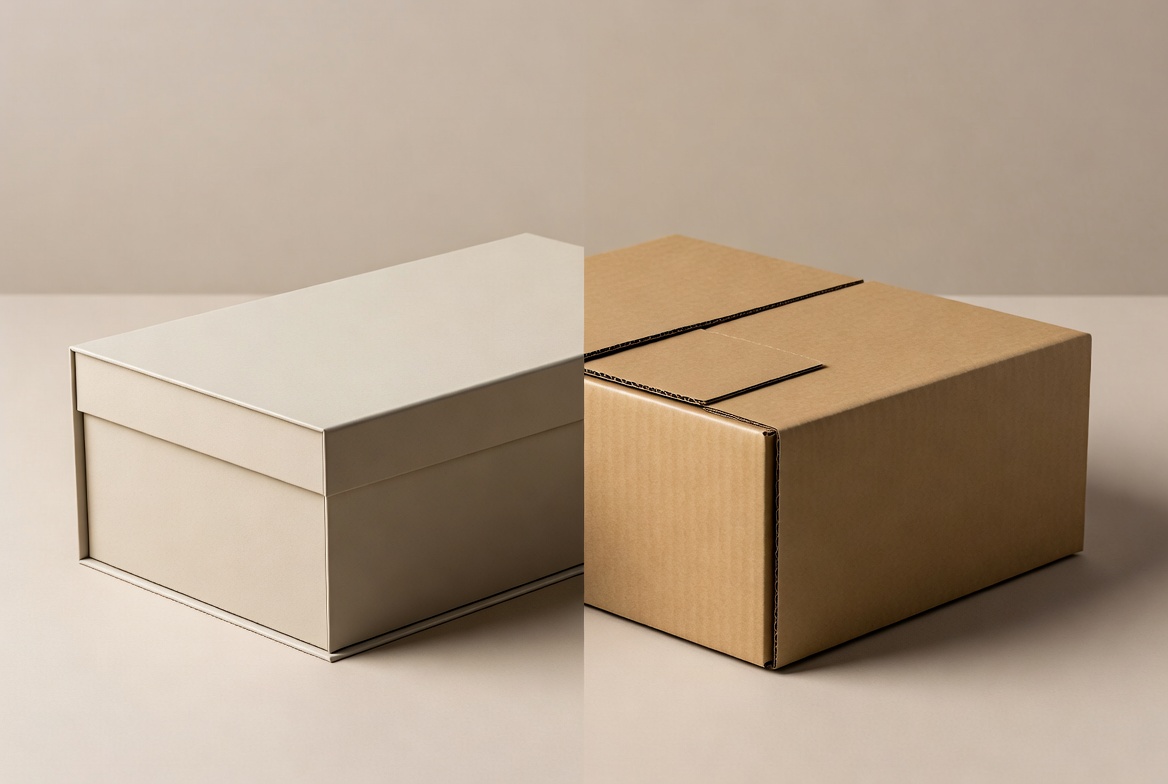
Cost is one of the biggest reasons brands choose corrugated boxes over rigid boxes.
Rigid boxes usually cost more because they require more materials, more assembly steps, and more finishing work. They may also include premium features such as magnetic closures, specialty wraps, foil stamping, embossing, or inserts. These details improve presentation, but they also raise production cost.
Corrugated boxes are generally more economical because they are easier to manufacture at scale, easier to stack, and cheaper to transport before use. For brands with high order volume, this difference can have a major effect on total packaging cost.
For direct shipping, corrugated boxes are usually the stronger choice.
Their fluted structure helps absorb shock, resist compression, and protect products during handling and delivery. They are especially suitable for e-commerce, cross-border shipments, and warehouse-to-customer delivery.
Rigid boxes can be used for shipping, but they are often placed inside another corrugated carton to prevent scuffing, crushing, or surface damage. In other words, rigid boxes are often best as inner presentation packaging rather than the main shipping carton.
If the goal is to create a premium first impression, rigid boxes usually win.
They feel substantial in the hand, open more elegantly, and create a stronger sense of value. This makes them ideal for luxury products, gift packaging, and retail items where the unboxing moment is part of the purchase experience.
Corrugated boxes can also be branded effectively. With quality printing, custom shapes, and thoughtful design, they can still look professional and attractive. However, they usually feel more functional than luxurious.
The right box depends on what the product needs to do.
Rigid boxes are best for:
- Luxury cosmetics.
- Jewelry and watches.
- High-end electronics.
- Gift boxes.
- Limited-edition product launches.
- Premium retail packaging.
Corrugated boxes are best for:
- E-commerce shipping.
- Subscription boxes.
- Industrial products.
- Bulk distribution.
- Export logistics.
- Fragile goods that need outer protection.
Corrugated boxes have a strong advantage in recycling and material recovery. They are widely used in established recycling systems and are generally easy to collect, sort, and reprocess.
Rigid boxes can also be designed responsibly, especially when they avoid difficult-to-recycle elements such as foam, magnets, and heavy laminations. However, their recyclability depends more heavily on the materials and finishes used.
For brands that prioritize circular packaging, corrugated is often the safer and simpler option. For brands that need a premium experience, rigid boxes can still be made in more sustainable formats with careful design choices.
A practical decision process helps avoid overpaying or underperforming.
1. Define the product's value and positioning.
2. Decide whether the box is for shipping or presentation.
3. Estimate the shipping risk and handling conditions.
4. Review warehouse space and fulfillment requirements.
5. Compare total packaging cost, not just unit price.
6. Consider whether the box must create a luxury experience.
If the packaging must protect the product during transit and keep costs low, corrugated is usually the better choice. If the packaging must elevate the product and create a premium customer experience, rigid is usually the better choice.
From a manufacturing perspective, many buyers make the same mistake: they choose packaging based only on appearance.
That approach can be expensive. A rigid box may look impressive, but if the product is shipped in bulk or handled frequently, the extra cost may not add enough value. On the other hand, a corrugated box may be too plain for a high-ticket product where presentation is part of the brand promise.
The smartest solution is often a layered system. A corrugated outer box handles shipping and protection, while a rigid inner box creates a premium reveal. This structure works especially well for cosmetics, electronics, gift sets, and export-oriented retail products.
Many packaging decisions fail because of avoidable mistakes.
- Choosing rigid boxes for everyday shipping orders.
- Using corrugated boxes for luxury products without any brand enhancement.
- Ignoring storage space when ordering non-collapsible packaging.
- Focusing only on per-unit price instead of total packaging cost.
- Overdesigning the box when a simpler structure would work better.
A good packaging decision should balance function, cost, and customer experience.
Rigid boxes and corrugated boxes are both valuable, but they are not interchangeable.
Rigid boxes are best when the goal is premium presentation, shelf impact, and a memorable unboxing experience. Corrugated boxes are best when the goal is shipping durability, storage efficiency, and lower operating cost.
For brands like Maituohong Packaging, the ideal choice depends on the product, market, and commercial objective. In many cases, the most effective solution is not choosing one over the other, but using both in the right way.
Rigid boxes feel stronger and more solid, but corrugated boxes are usually better for shipping because their fluted structure absorbs impact and compression more effectively.
Rigid boxes cost more because they use thicker board, require more assembly, and often include premium finishing work such as special wraps, inserts, or decorative effects.
Corrugated boxes are usually better for e-commerce because they are lightweight, flat-packed, easy to store, and built for transit protection.
Yes, many rigid boxes can be recycled, but it depends on the materials used. Boxes with magnets, foam, or heavy coatings are harder to recycle than simple paper-based designs.
Yes. A common solution is to use a corrugated outer box for shipping and a rigid inner box for presentation and branding.
- [Rigid vs Corrugated Boxes: Complete Comparison Guide 2026]
- [Rigid Boxes vs. Corrugated Boxes: A Cost and Performance Guide]
- [The Rigid Box vs. Corrugated Shipping Boxes]
- [Containers and Packaging: Product-Specific Data]


