
Views: 229 Author: Maituohong Packaging Publish Time: 2026-07-26 Origin: Site


Content Menu
● Why Box Shape Matters in Buying Behavior
● The Psychology Behind Shape Perception
>> Tall Shapes Can Feel Larger
>> Shape Can Signal Product Positioning
● Which Box Shapes Influence Perception
● What Current Packaging Trends Add
>> Premium Luxury Is Becoming More Subtle
>> Accessibility Matters More Than Before
>> Sustainability Now Shapes Design Choices
● How to Choose the Right Box Shape
● How Shape Supports Gift Box Sales
● Practical Lessons for Brands
● Why Maituohong Packaging Is a Strong Fit
● FAQ
In packaging, box shape is not just a design choice. It shapes first impressions, signals quality, changes perceived value, and can directly influence purchase decisions.
When shoppers see a product for the first time, they make fast judgments based on visual cues. Shape is one of the strongest cues because the brain links structure with stability, weight, and trust.
A stable-looking box often feels more substantial. A taller or slimmer shape can suggest elegance, lightness, or health positioning, while a wider, sturdier shape may imply richness, generosity, or premium value.
For gift packaging, that visual message is even more important. Buyers are not only evaluating the product inside; they are also judging whether the package feels worthy of giving, keeping, or sharing.

Consumers do not assess packaging only with logic. They rely on mental shortcuts that help them make quick decisions in stores and online.
Research shows that people often judge stable-looking containers as heavier than unstable ones, even when the actual contents are the same. This matters because weight is often linked with quality, volume, and value.
Taller packaging may appear to hold more than short packaging of the same volume. That makes shape a powerful tool when a brand wants to create a feeling of abundance or efficiency.
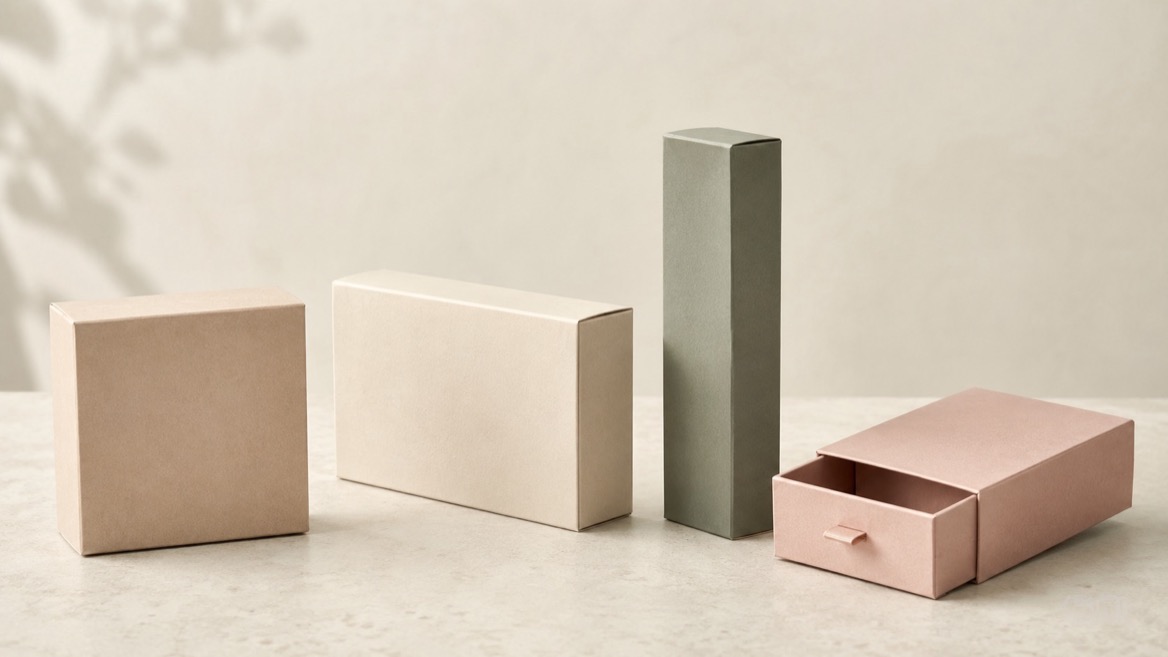
A box shape can quietly tell shoppers what to expect. A compact rigid box may communicate luxury and ceremony. A broader carton may signal practicality and value. A refined drawer box may suggest a premium unboxing experience.
Not every box shape sends the same message. The structure you choose should match the product category, brand personality, and customer expectation.
| Box shape | Common perception | Best for |
|---|---|---|
| Square or rectangular rigid box | Stable, trustworthy, premium | Gift sets, cosmetics, electronics, luxury items |
| Tall slim box | Elegant, modern, lightweight | Fragrance, bottles, skincare, health products |
| Wide low box | Substantial, generous, full-value | Food gifts, premium assortments, layered kits |
| Drawer-style box | Thoughtful, ceremonial, memorable | Jewelry, cosmetics, branded gifts |
| Triangle or unusual shape | Creative, distinctive, attention-grabbing | Niche campaigns, limited editions, novelty items |
This is why shape should never be treated as decoration alone. It is part of the product story and the shelf conversation.
Modern packaging design has moved beyond simple visual appeal. Brands now need packaging that feels premium, is easy to use, and supports sustainability expectations.
Current premium packaging trends favor refined materials, soft-touch finishes, embossing, foil accents, and clean layouts rather than heavy visual clutter. That means the box shape must work with the finish, not fight it.
A beautiful box is not enough if it is hard to open or awkward to handle. Packaging that opens smoothly and feels intuitive supports a better experience and reduces friction at the moment of purchase and unboxing.
Brands are increasingly choosing packaging systems that balance presentation with material efficiency. In many categories, right-sized rigid boxes, paper-based inserts, and optimized structures are becoming part of a more responsible premium strategy.
To choose the best box shape, start with the product and then think about the customer experience. The best shape is the one that supports both protection and perception.
1. Define the product's core message.
- Is it premium, practical, playful, healthy, or luxurious?
2. Match shape to positioning.
- Stable shapes support trust and value.
- Slim shapes support elegance and lightness.
- Drawer or lift-off lids support ceremony and gifting.
3. Check shelf impact.
- Ask whether the box stands out clearly without looking oversized or wasteful.
4. Test the unboxing flow.
- The lid, insert, and inner layout should feel natural and controlled.
5. Confirm shipping performance.
- A premium box must still arrive intact, square, and clean.
For gift packaging, shape affects emotion as much as perception. Customers often buy rigid gift boxes because they feel more special, more complete, and more ready to present.
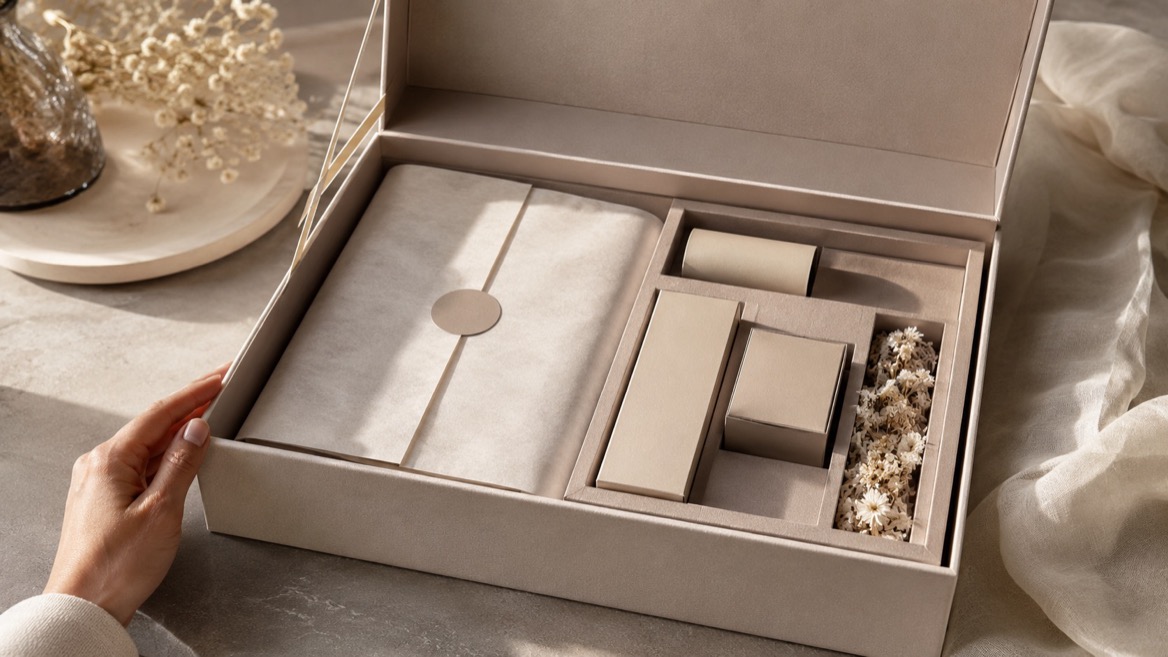
A rigid box with a clean structure can increase perceived value before the product is even opened. That is especially useful for brands selling festive sets, corporate gifts, cosmetics, tea, candles, and other products where presentation is part of the product promise.
A poorly designed box can do the opposite. If the walls look weak, the lid shifts, or the structure feels inconsistent, the box may look cheaper than the item inside.
Before finalizing a box shape, review these points carefully:
- Does the shape match the product's price point?
- Does the structure feel stable in the hand and on the shelf?
- Does the opening method feel smooth and intentional?
- Does the box create a premium first reveal?
- Does it protect the product during transit?
- Does the shape support brand recognition across channels?
This checklist helps brands avoid choosing a box that looks attractive in a mockup but performs poorly in real use.
The strongest packaging strategies combine psychology, structure, and brand storytelling. Shape should guide the customer's expectation before the box is even opened.
If your brand wants to look premium, use structure to create calm, stability, and precision. If your brand wants to feel innovative, use shape carefully so the design stands out without confusing the buyer.
For custom paper packaging, the best results usually come from aligning three things:
- product function,
- brand message,
- and customer experience.
When those three work together, packaging becomes a sales tool rather than just a container.
At Maituohong Packaging, we understand that rigid paper boxes and custom gift packaging must do more than hold a product. They must communicate quality, support the brand, and create a memorable unboxing experience.
With more than 18 years of experience in high-quality hard cardboard gift boxes and paper packaging solutions, our team helps brands build packaging that looks premium, performs reliably, and supports real commercial goals.
Box shape can influence purchase decisions because people read structure as a signal of value, stability, and intent. The right shape does not just protect the product; it helps sell it.
If your packaging needs to feel more premium, more trustworthy, or more gift-worthy, the structure should be part of the strategy from day one. For brands that want custom rigid boxes built for both presentation and performance, Maituohong Packaging can help turn shape into a competitive advantage.
1. How does box shape affect purchase decisions?
Box shape changes how shoppers perceive weight, quality, and value. Stable-looking shapes often feel more trustworthy and premium.
2. Are square boxes better than unusual shapes?
Not always. Square and rectangular boxes are usually easier to trust and display, while unusual shapes work better when the goal is attention or novelty.
3. Why do gift boxes often use rigid structures?
Rigid boxes usually feel more premium, protect products better, and create a stronger unboxing experience.
4. Does a taller box always sell better?
No. Taller shapes can look larger, but the best choice depends on the product and the message you want to communicate.
5. What box shape is best for premium branding?
There is no single best shape, but stable, well-proportioned rigid boxes often work well for premium positioning.
6. How can packaging improve the unboxing experience?
Use a clear opening flow, snug inserts, strong structure, and thoughtful details like compartments, cards, or layered reveals.
1. Shape Matters: How Packaging Can Influence Purchase Choices — [https://www.msi.org/article/shape-matters-how-packaging-can-influence-purchase-choices/] [msi]
2. How Does A Box Shape Influence Purchase Decisions? — [https://tycoonpackaging.com/how-does-a-box-shape-influence-purchase-decisions/] [tycoonpackaging]
3. Packaging Design Trends 2026: Accessibility, Circularity, and the ... — [https://www.zenpack.us/blog/packaging-trends/] [zenpack]
4. 6 Essential Elements Of Premium Gift Box Packaging — [https://zhibangpackaging.com/6-essential-elements-of-premium-gift-box-packaging/] [zhibangpackaging]
5. Packaging — [https://zh.westrock.com/blog/5-ways-to-elevate-the-unboxing-experience-through-smart-product-packaging-design] [zh.westrock]
6. Package design as a branding tool in the cosmetic industry — [https://pmc.ncbi.nlm.nih.gov/articles/PMC9123395/] [pmc.ncbi.nlm.nih]
7. Elevate Your Brand with Gift Box Packaging — [https://innorhino.com/blog/about-business/gift-box-packaging-strategy] [innorhino]


