
Views: 262 Author: Maituohong Packaging Publish Time: 2026-07-29 Origin: Site


Content Menu
● Why Packaging Choice Matters
● Step 1: Understand the Product First
● Step 2: Match Packaging to the Sales Channel
● Step 3: Choose the Right Structure
● Step 4: Select Materials That Fit the Product
● Step 5: Protect the Product Properly
● Step 6: Think About Brand Experience
● Step 7: Design for Compliance and Label Clarity
● Step 8: Test Before Mass Production
● Step 9: Reduce Cost Without Reducing Value
● What Modern Brands Are Doing Differently
● A Practical Selection Framework
● Why Custom Paper Packaging Works Well
● FAQ
>> 1. What is the first step in choosing packaging for a product?
>> 2. Is rigid packaging always better than folding cartons?
>> 3. How do I know if my packaging is the right size?
>> 4. Why is packaging testing important?
>> 5. What should be on the label?
>> 6. How can packaging improve branding?
Choosing the right packaging for your product is not just a design decision. It affects protection, shipping efficiency, shelf appeal, compliance, and how customers perceive your brand from the very first touch.
For brands that sell in competitive markets, packaging must do more than "look good." It should fit the product precisely, support the buying experience, reduce damage risk, and align with the channel where the product is sold.
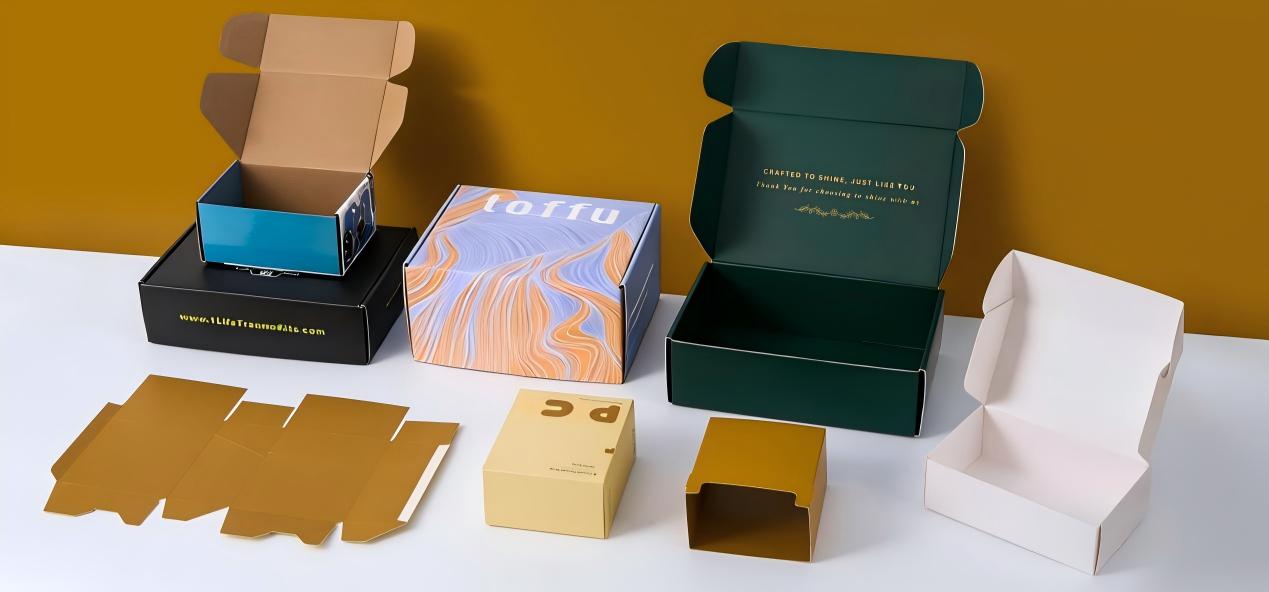
Packaging is the first physical message your brand sends. It communicates quality, care, and positioning before the product is even opened.
A weak packaging choice can lead to broken items, higher return rates, poor customer reviews, and unnecessary freight costs. A strong one helps protect the product, improves presentation, and supports a smoother supply chain.
The best packaging starts with the product itself. Before you choose a box, insert, or outer shipper, map the product's size, weight, fragility, surface sensitivity, and storage needs.
Ask these questions:
- How heavy is the product?
- Is it fragile, sharp, liquid, or pressure-sensitive?
- Does it need a premium presentation?
- Will it be shipped individually or in bulk?
- Does it need tamper resistance or extra cushioning?
If the product varies in size, use the largest version as your baseline. That reduces the chance of fit issues later.
Different sales channels require different packaging priorities. A retail shelf package must attract attention quickly, while e-commerce packaging must survive handling, movement, and impact during shipping.
A simple way to think about it:
| Channel | Main priority | Packaging focus |
|---|---|---|
| Retail | Visibility and brand appeal | Front-panel clarity, color, finish, structure |
| E-commerce | Protection and unboxing | Cushioning, fit, durability, shipping efficiency |
| Wholesale | Stackability and transit safety | Strength, compactness, pallet efficiency |
| Luxury gifting | Presentation and perceived value | Rigid structure, premium materials, refined finishing |
A good packaging structure should support the channel, not fight against it.
The structure determines how well packaging performs in real use. For paper-based solutions, common choices include folding cartons, rigid boxes, sleeves, inserts, and outer mailers.
Rigid boxes are often preferred for premium gifts, cosmetics, electronics, and high-value products because they create a stronger sense of quality and better hold their shape. Folding cartons are usually better when cost control, lightweight shipping, and mass production efficiency matter most.
When choosing a structure, balance three things:
- Product protection.
- Brand presentation.
- Total landed cost.
Material choice should follow function, not trend. Paperboard, cardboard, corrugated board, specialty papers, and coated finishes all serve different purposes depending on product weight, visual goals, and transit conditions.
For higher-end products, textured papers, embossing, foil accents, and matte or soft-touch finishes can create a more premium impression. For more practical products, a clean, durable, and recyclable structure may be the better choice.
Today's buyers also respond well to packaging that feels responsible and efficient. Lightweight, recyclable, and right-sized solutions are becoming a baseline expectation in many markets.
Protection is one of the most important packaging functions. A beautiful box is useless if the product arrives damaged.
Use inserts, trays, dividers, cushioning, or custom-fit supports when the product needs stabilization. Test how the product behaves inside the package during transport, especially if it has corners, fragile parts, or delicate surfaces.
A practical protection checklist:
1. Confirm internal dimensions, not only outer dimensions.
2. Check product movement inside the package.
3. Add padding only where needed.
4. Test corners, edges, and pressure points.
5. Recheck after sealing and shipping simulation.
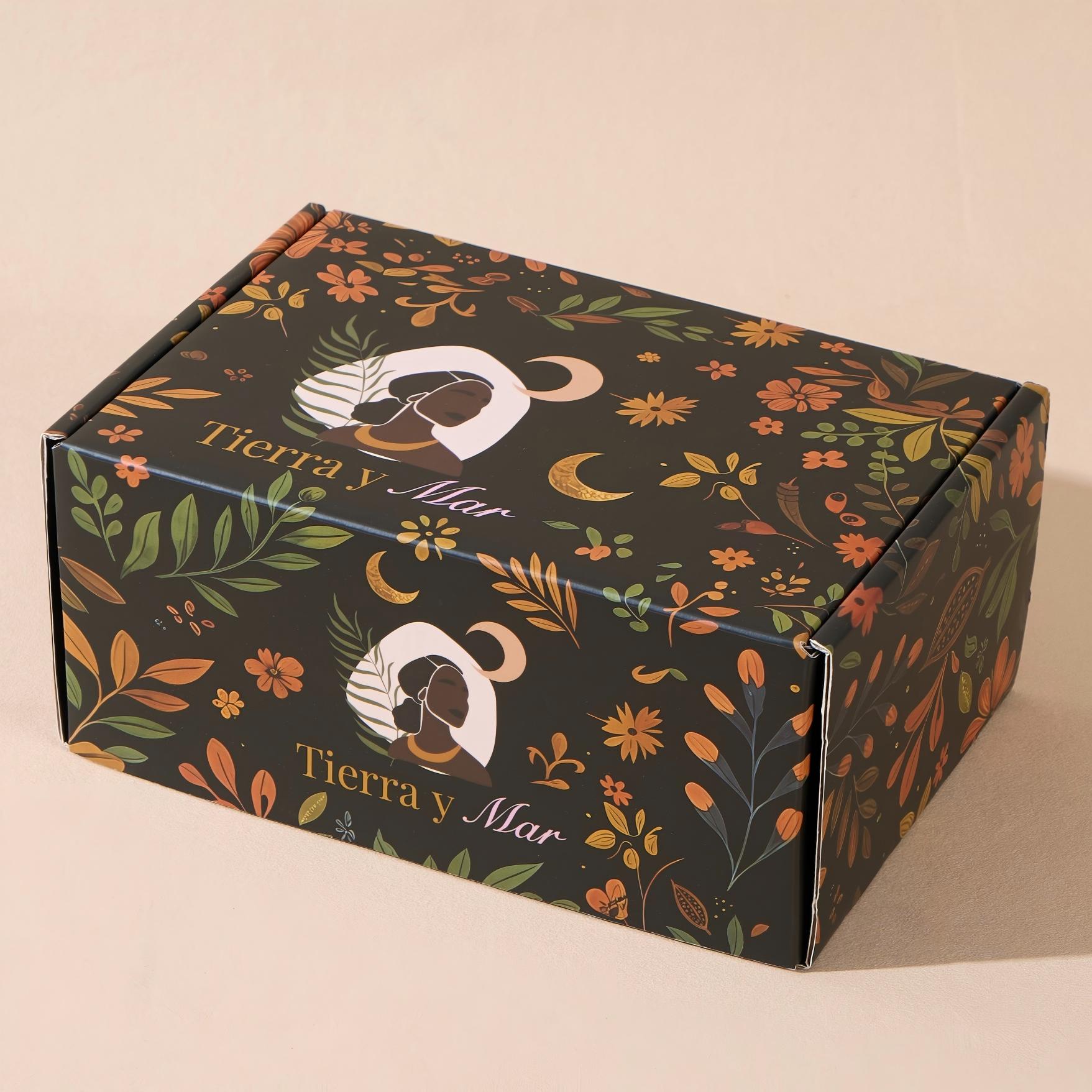
Packaging is not only about containment. It is part of the customer experience and can influence how people judge the value of the product itself.
Strong packaging design should reflect your brand's tone through structure, color, typography, finish, and opening experience. If your product is premium, the packaging should feel refined. If your brand is practical and functional, the packaging should feel clear and efficient.
One useful rule: the packaging should feel like a natural extension of the product, not an unrelated wrapper. That consistency builds trust.
Packaging also needs to carry the right information in the right place. Depending on the market and product type, labels may need to show identity, quantity, manufacturer details, and other product-specific details.
Clear labeling is not just a legal issue. It helps buyers understand the product quickly and reduces confusion at the point of sale. In regulated categories such as food, cosmetics, and household products, label accuracy is especially important.
Before final approval, confirm:
- Product name and variant.
- Net quantity or count.
- Manufacturer or distributor information.
- Required language and unit format.
- Country-specific requirements for the target market.
Prototype testing saves time and money. It helps catch fit problems, print issues, transit damage, and structural weaknesses before you place a full order.
At minimum, review the following:
- Fit test with the actual product.
- Drop or impact test.
- Scuff and surface test.
- Seal and closure check.
- Shelf or stacking test.
For premium packaging, also check whether the package still looks refined after handling. Many premium products fail not because the box breaks, but because it arrives visibly worn.
Good packaging does not always mean expensive packaging. In many cases, the smartest solution is the one that uses the least material while still protecting the product and supporting the brand.
To control cost, focus on:
- Right-sizing the package.
- Avoiding unnecessary layers.
- Using the simplest structure that still meets the brief.
- Matching finish level to the product's price point.
- Ordering samples before full production.
This approach helps reduce waste, shipping volume, and avoidable rework. It also makes the packaging easier to scale over time.
In 2026, packaging is becoming more practical, more transparent, and more efficiency-driven. Brands are paying closer attention to circularity, lightweight design, truthful claims, and packaging that can be recovered more easily after use.
Another important shift is the move toward premium packaging that still supports efficiency. In other words, brands want a refined look without overbuilding the box or adding unnecessary waste.
For manufacturers and exporters, this means packaging strategy should connect design, engineering, compliance, logistics, and customer experience from the start.
Use this simple process when deciding on packaging:
1. Define the product's risk profile.
2. Identify the main sales channel.
3. Choose the structure that fits the product.
4. Select materials based on protection and presentation.
5. Add inserts or cushioning only if needed.
6. Prototype and test.
7. Review label accuracy and market requirements.
8. Finalize the design for production.
This framework keeps the process clear and helps avoid packaging that looks good on paper but fails in practice.
Custom paper packaging is often the best fit for brands that want flexibility, premium presentation, and stronger alignment with their identity. It can be adapted for rigid gift boxes, folding cartons, sleeves, inserts, and other formats used across retail and gifting categories.
For manufacturers with deep experience in paper packaging, the real advantage is not just making a box. It is turning packaging into a stable, repeatable, brand-supporting system that performs in shipping, storage, and customer use.
The right packaging is the one that protects the product, fits the channel, supports the brand, and makes sense financially. When those four elements work together, packaging becomes a business asset rather than a cost center.
If you are developing custom paper packaging, the next step is to compare your product's needs with the right structure, material, and finishing options, then validate everything with a prototype before production.
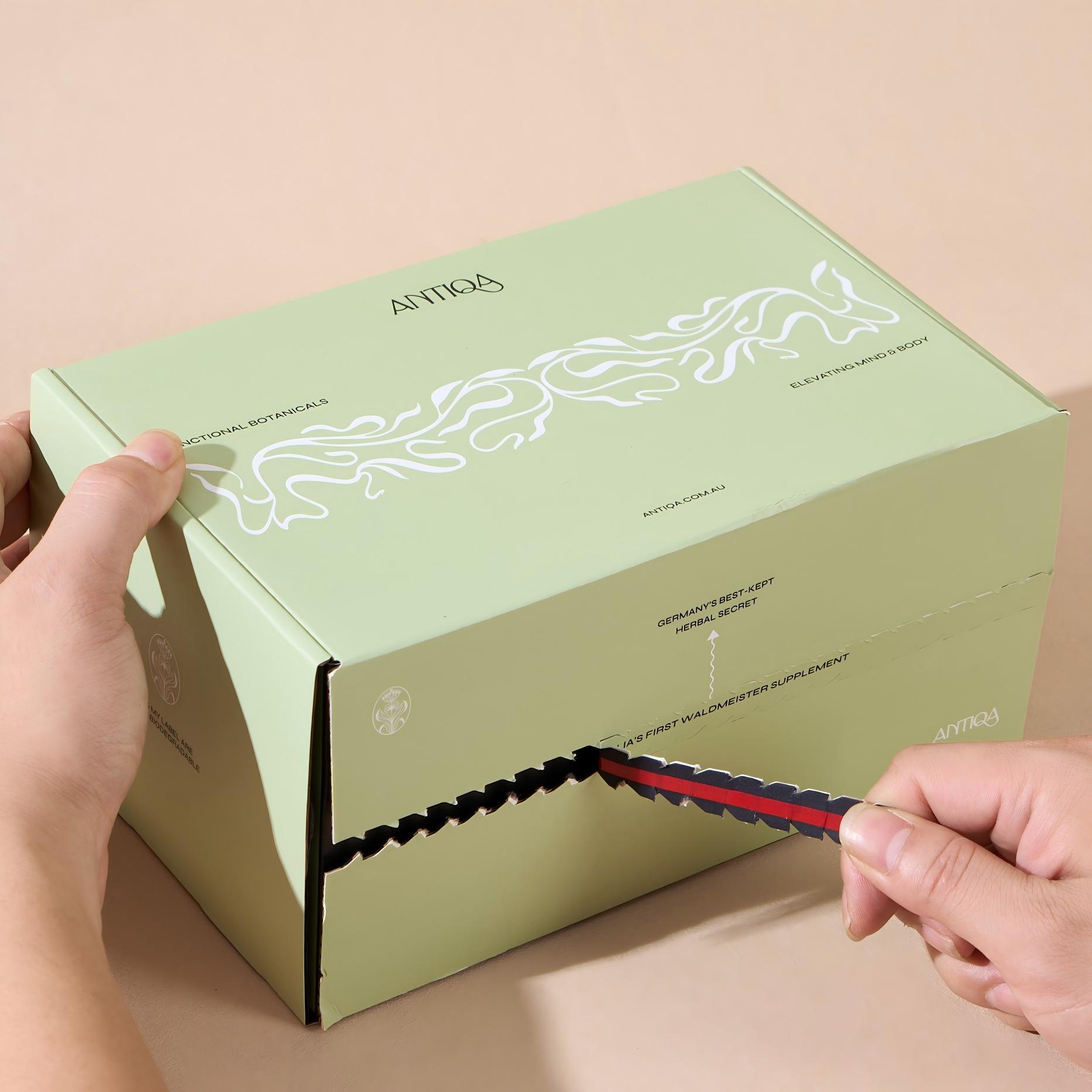
Start by identifying the product's size, weight, fragility, and sales channel so you can match the packaging structure to real needs.
No. Rigid boxes are often better for premium presentation and protection, but folding cartons can be more efficient for lightweight or high-volume products.
Measure the product carefully and test internal dimensions, not just the outer size. Leave only the space needed for protection and fit.
Testing helps catch fit problems, transit damage, and finish issues before mass production, reducing waste and customer complaints.
That depends on the market and product category, but many packages need identity, quantity, and manufacturer or distributor information.
Packaging improves branding through structure, color, finishing, and unboxing experience. It should reflect the product's value and the brand's personality.
- Shopify. [https://www.shopify.com/zh/blog/ecommerce-packaging] [shopify]
- Rich Packaging. "How to Choose the Right Packaging for Your Product." [https://richpkg.com/how-to-choose-the-right-packaging-for-your-product/] [richpkg]
- HDBiopak. "Custom Food Packaging in 2026: A Smarter One-Stop ..." [https://hdbiopak.com/blogs/news/why-custom-2026-new-year-packaging-matters-for-food-brands] [hdbiopak]
- Baili Paper Packaging. "8 Best Rigid Boxes Manufacturers You Need to Know in 2026." [https://bailipaperpackaging.com/best-rigid-boxes-manufacturers-you-need-to-know/] [bailipaperpackaging]
- Packaging Strategies. "How to Choose the Right Packaging for Your Business." [https://www.packagingstrategies.com/articles/96173-how-to-choose-the-right-packaging-for-your-business] [packagingstrategies]
- Zenpack. "Packaging Design Trends 2026: Accessibility, Circularity ..." [https://www.zenpack.us/blog/packaging-trends/] [zenpack]
- Custom Boxes Market. "Order Custom Luxury Rigid Boxes Wholesale Rate." [https://customboxesmarket.com/luxury-rigid-boxes/] [customboxesmarket]
- ePackageSupply. "How to Choose the Perfect Packaging Size for Any Product." [https://epackagesupply.com/blogs/packaging-guide/find-the-perfect-fit-how-to-choose-the-right-size-packaging] [epackagesupply]
- FTC. "Fair Packaging and Labeling Act: Regulations Under ..." [https://www.ftc.gov/legal-library/browse/rules/fair-packaging-labeling-act-regulations-under-section-4-fair-packaging-labeling-act] [ftc]
- Amazon Packaging. "Seller Self-Testing." [https://www.amazon-packaging.com/seller-self-testing] [amazon-packaging]
- EcoEnclose. "Sustainable Packaging Trends for 2026." [https://www.ecoenclose.com/blog/sustainable-packaging-trends-for-2026] [ecoenclose]
- Esko. "The 2026 Guide to FDA Cosmetic Labeling Requirements." [https://www.esko.com/en/blog/2026-guide-to-fda-cosmetic-labeling-requirements] [esko]
- Brown Packaging. "Understanding the Corrugated Box Drop Test." [https://brownpackaging.com/understanding-the-corrugated-box-drop-test/] [brownpackaging]
- SPC. "2026 Sustainable Packaging Trends Report." [https://sustainablepackaging.org/wp-content/uploads/2026/04/SPC_2026-Sustainable-Packaging-Trends-Report.pdf] [sustainablepackaging]
- Compliance Gate. "United States Product Labeling Requirements." [https://www.compliancegate.com/united-states-product-labeling-requirements/] [compliancegate]


