
Views: 222 Author: Maituohong Packaging Publish Time: 2026-05-25 Origin: Site


Designing a cereal box today is no longer just about "holding cereal"; it is about creating a mini billboard that protects the product, tells a regulatory‑compliant story, and quietly drives repeat sales from the supermarket shelf to the kitchen cabinet. Drawing on more than 18 years of working with custom paper packaging and folding gift boxes for global brands, I'll walk you through how each side of a cereal box can work harder for your brand—both visually and commercially. [custompackagingpro]
A modern cereal box succeeds when it does three things at once: protects the product, persuades the shopper, and communicates clearly across every side of the box. From a manufacturer's perspective, that means getting the structure, material spec, and print layout right before you ever launch a flavor or run a promotion. [meritideas]
In the food packaging industry, procurement managers increasingly expect packaging suppliers to provide technical guidance on board grades, recyclability, and compliance—not just print the artwork they receive. When you use each panel of the cereal box with intention, your packaging becomes a tangible proof of that expertise. [globalcustompackaging]
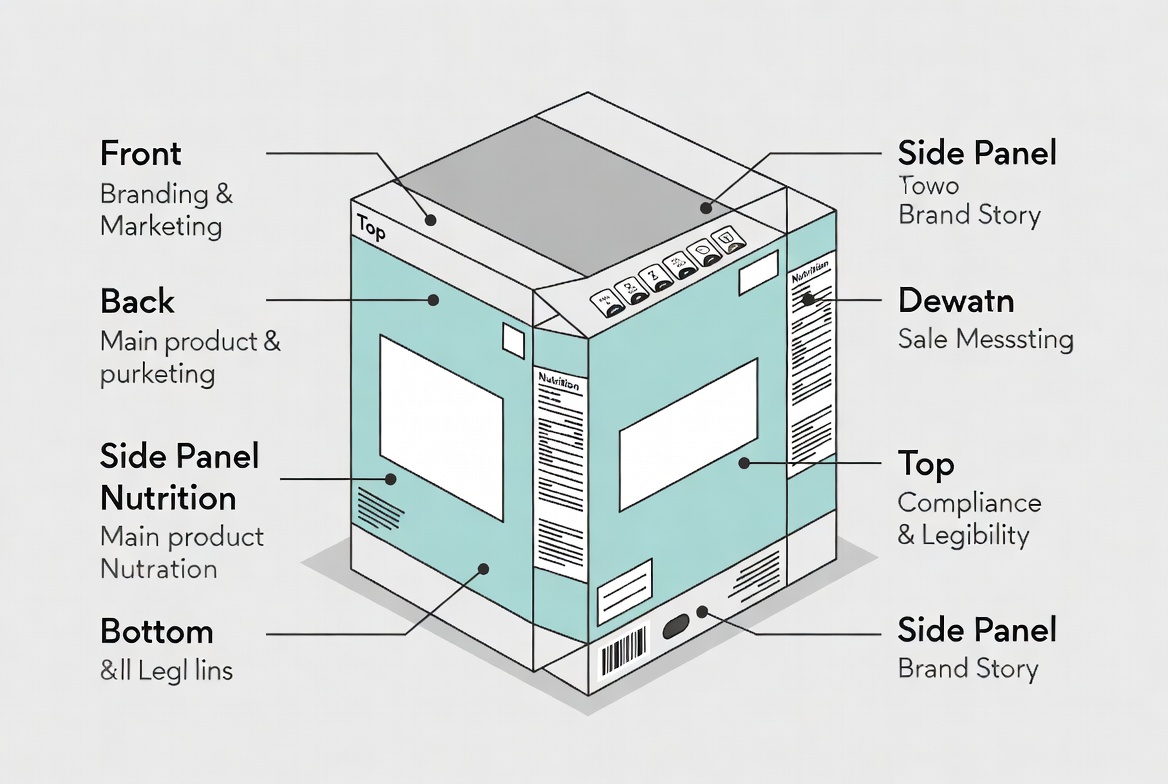
A standard cereal box is a paperboard folding carton with six main sides, each providing a different opportunity for branding, education, and engagement. The front and back panels are wider, while the two lateral panels are narrower; the top and bottom panels close the structure and carry technical and logistical information. [magetop]
From my experience in custom paper packaging, thinking in terms of "roles" rather than "sides" helps the design process: hero side, storytelling side, data side, brand‑purpose side, access side, and logistics side. [packaging-gateway]
The front side of the cereal box is your on‑shelf salesperson, usually facing the aisle and competing for attention in a matter of seconds. Successful brands use this panel to create an instant promise: what the product is, who it is for, and why it is exciting or better. [imhpackaging]
When I advise clients on front‑panel layout, I focus on four essential elements. [custompackagingpro]
- A clear product name and strong brand logo at eye level.
- A realistic or appetizing serving image that shows texture and flavor.
- A concise benefit statement (for example, "High‑fiber whole grains" or "Kid‑approved crunch").
- Visual cues that match the target segment (children, fitness‑focused adults, premium organic buyers, etc.).
For food packaging manufacturers, this panel is often where premium finishing—spot UV on the logo, embossing on the brand name, or a soft‑touch laminate—can be used strategically without inflating the entire cost of the box. [meritideas]
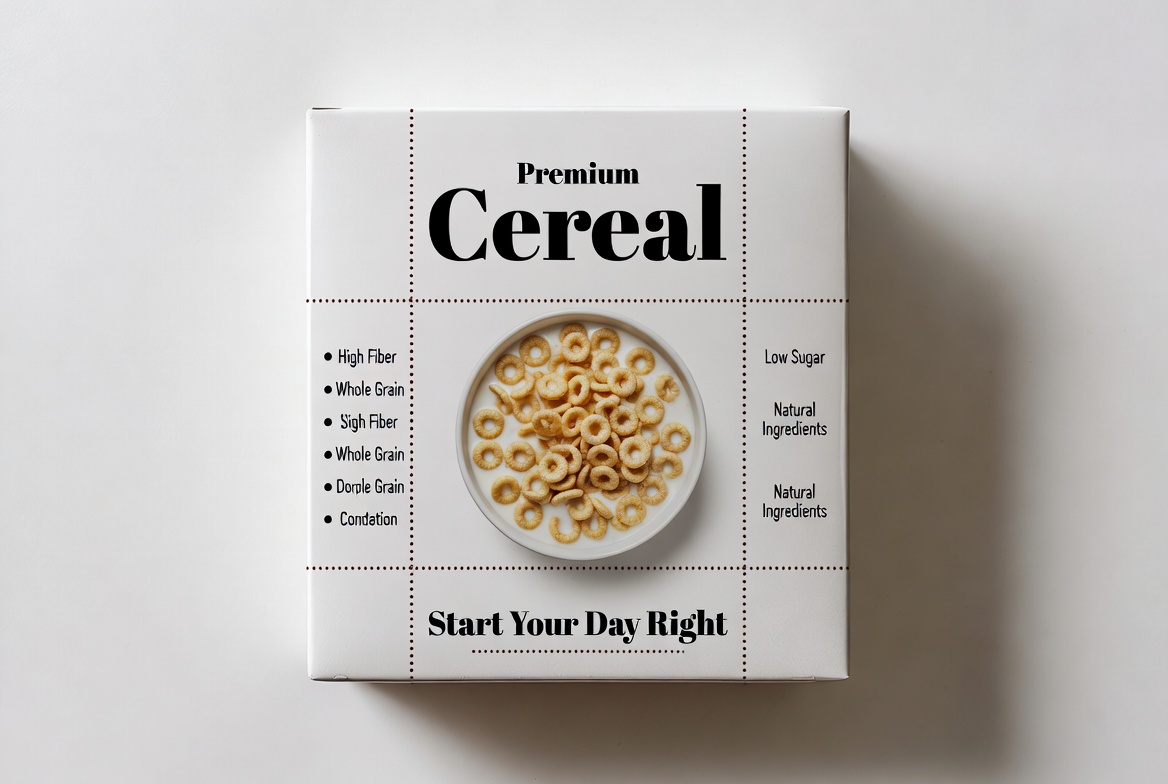
The back side of the cereal box has traditionally been used for games, puzzles, or simple stories that keep kids engaged at the breakfast table. While that still works, the brands I see winning today treat this panel as a storytelling canvas that deepens loyalty across age groups. [globalcustompackaging]
Here are three high‑performing approaches. [imhpackaging]
- Short brand origin stories that highlight craftsmanship, sustainability, or community impact.
- Interactive QR codes that link to mini‑games, recipe videos, or loyalty programs.
- Educational content (for example, whole‑grain benefits or climate‑friendly farming) written in simple language.
From a manufacturer's standpoint, remember that back‑panel content should not compromise print legibility; always validate small text in physical samples before mass production. [packaging-gateway]
One narrow side panel is typically dedicated to nutritional facts, ingredients, and allergen declarations. This is not just a design choice—it's a compliance and trust issue for every food brand and its packaging partners. [ranktracker]
On this panel, consumers expect to see. [magetop]
- A full nutrition facts table in line with local regulations.
- A complete ingredient list, with allergens clearly highlighted.
- Claims such as "low fat", "high fiber", or "no artificial colors" only when they are legally substantiated. [magetop]
From the perspective of a packaging manufacturer, your role is to ensure enough real estate, correct ink density, and print contrast so that small text remains readable on the final carton—not just on a high‑resolution digital proof. [ranktracker]
The opposite side of the box often works like a mini newsletter, where brands talk about their mission, certifications, and sustainability practices. As consumers become more conscious about environmental impact, this slim panel is a strategic place to highlight what your brand and your packaging supplier actually do—not generic green slogans. [quickcreator]
Brands and manufacturers can use this panel to communicate. [packaging-gateway]
- FSC or similar certified paperboard use.
- Reduced plastic content and recyclability of the box.
- Commitments to reduced food waste, ethical sourcing, or community support.
For a company specializing in folding gift boxes and paper packaging, showcasing real certifications and process standards here can differentiate you in B2B conversations with food producers and international buyers. [crownwinbox]
The top side of a cereal box is where the consumer frequently interacts to open and close the carton, so usability is critical. This panel commonly displays the brand name, opening instructions, and visible manufacturing and expiry dates that can be read even when boxes are stacked. [magetop]
When we develop structural designs for folding cartons, we test. [meritideas]
- How easy it is to open and reseal without tearing.
- Whether perforations and creases stay intact during transit.
- Whether date codes and batch information remain legible after filling and sealing.
A small, clear benefit line such as "First ingredient: whole grain" on the top panel can also reinforce trust whenever the consumer handles the box. [magetop]
The bottom side of a cereal box is mostly unseen by consumers, but it is essential for logistics, inventory management, and responsible disposal. Here you typically find the SKU or barcode, recycling symbols, and—in some creative designs—answers to games or hidden messages. [magetop]
As a packaging manufacturer, you should ensure. [meritideas]
- Barcodes scan reliably under varied lighting and at different angles.
- Substrate and coating are compatible with the coding technology used (inkjet, laser, etc.).
- Recycling and disposal icons meet the regulations of different export markets.
Well‑planned bottom‑panel information helps retailers and distributors manage stock more efficiently while giving consumers straightforward guidance on how to dispose of the box. [ranktracker]
Most cereal boxes are made from paperboard and are widely recyclable in modern recycling facilities. The key is to separate any inner plastic bag and ensure the carton is clean and dry before recycling. [custompackagingpro]
Some paperboard packaging can also be compostable, especially when it uses materials such as Kraft paper, which is made from wood pulp and designed to break down more easily in composting conditions. However, not every paperboard carton can withstand industrial composting processes, so clear labeling and honest claims are crucial. [quickcreator]
Historically, packaging focused on containment and protection, but digital commerce and social media have raised expectations dramatically. Today, cereal packaging must combine protection, marketing, usability, and sustainability while also performing well in e‑commerce thumbnails and "unboxing" moments. [globalcustompackaging]
In practice, that means a well‑designed cereal box should. [custompackagingpro]
- Protect cereal from moisture, oxygen, and physical damage.
- Communicate brand benefits at a glance, both on the shelf and online.
- Make opening, pouring, and storing easy, even for children or elderly users.
- Support sustainability goals and regulatory requirements.
For packaging manufacturers, this integrated view is where long‑term client relationships are built—by solving functional and branding challenges at the same time. [quickcreator]
Even when consumers overlook it, protection is still the first job of cereal packaging. The carton structure and internal bag must work together to keep the cereal crisp, safe, and compliant with food safety standards. [imhpackaging]
When specifying cereal enclosures, I recommend considering. [ranktracker]
- Board grade and thickness to resist crushing during shipping and stacking.
- Seal integrity of the inner bag to control moisture and oxygen.
- Compatibility of materials with regional food‑contact and migration regulations.
A carefully engineered enclosure not only reduces breakage and waste but also supports consistent shelf presence and premium brand perception. [custompackagingpro]
Customized cereal boxes have become a powerful way to differentiate in crowded breakfast aisles. Personalization can range from unique seasonal artwork and limited editions to fully customized gift packs that mirror the sophistication of high‑end folding gift boxes. [globalcustompackaging]
As a packaging partner, you can add value by. [packaging-gateway]
- Offering dieline consulting so that creative agencies design within structural realities.
- Providing white samples and color proofs before mass production.
- Suggesting finishes (foiling, embossing, spot UV, matte/gloss combinations) to match the brand's positioning and budget.
The more closely you connect structural engineering with creative design, the easier it becomes for cereal brands to launch collections, collaborations, and targeted SKUs without compromising manufacturability. [meritideas]
From a user‑experience perspective, a customer‑friendly cereal box simply makes daily life easier. It should be easy to pick up, open, pour from, reseal, and store neatly in kitchen cabinets. [imhpackaging]
Based on production‑floor observations and consumer feedback, here are practical design principles. [globalcustompackaging]
- Keep the overall shape simple and stackable; avoid overly odd silhouettes that waste space.
- Use clear opening instructions and tactile cues on the top flap.
- Ensure the pouring experience does not cause spillage or crumbs around the spout area.
- Match size and volume closely to the target consumption pattern to reduce staleness.
When cereal packaging feels intuitive and mess‑free, it quietly encourages repeat purchase and positive brand associations—long after the initial sale. [custompackagingpro]
Good cereal box design hinges on how you manage logo, images, typography, content hierarchy, and material choice. From the standpoint of a custom paper packaging manufacturer, each of these is also a production‑reality check: what looks great in design software must work on press and in real kitchens. [packaging-gateway]
Core design elements. [imhpackaging]
- Logo position and size: Place the logo where it is visible from a typical shelf height; ensure it remains recognizable at a distance.
- Images and illustrations: Use high‑resolution visuals that show real cereal and serving suggestions; avoid overly generic stock imagery.
- Typography: Choose fonts that stay legible at small sizes and across different coatings; test on printed samples, not just on‑screen.
- Content hierarchy: Prioritize what matters most to the buyer—product name, flavor, servings, and key benefits—before secondary copy.
- Materials and finishing: Align substrate, coatings, and special finishes with both brand positioning and the realities of transport and storage.
A disciplined approach to these fundamentals ensures that every production run delivers consistent, on‑brand results. [ranktracker]
In food packaging projects, I often see the biggest performance differences come from material selection rather than purely graphic design. Cereal boxes are commonly made from cardboard or paperboard because these substrates are durable, relatively low‑absorbing, and compatible with food‑contact regulations when correctly specified. [ranktracker]
Recommended material choices. [meritideas]
- Standard cardboard/paperboard for strength and printability.
- Kraft paper as a more natural‑looking, moisture‑resistant alternative that can reduce plastic and metal usage. [magetop]
- Coatings (gloss, matte, satin) chosen based on shelf lighting and desired tactile feel.
When advising clients, I always connect material recommendations to both technical performance (protection, machinability) and marketing goals (premium or eco positioning). [packaging-gateway]
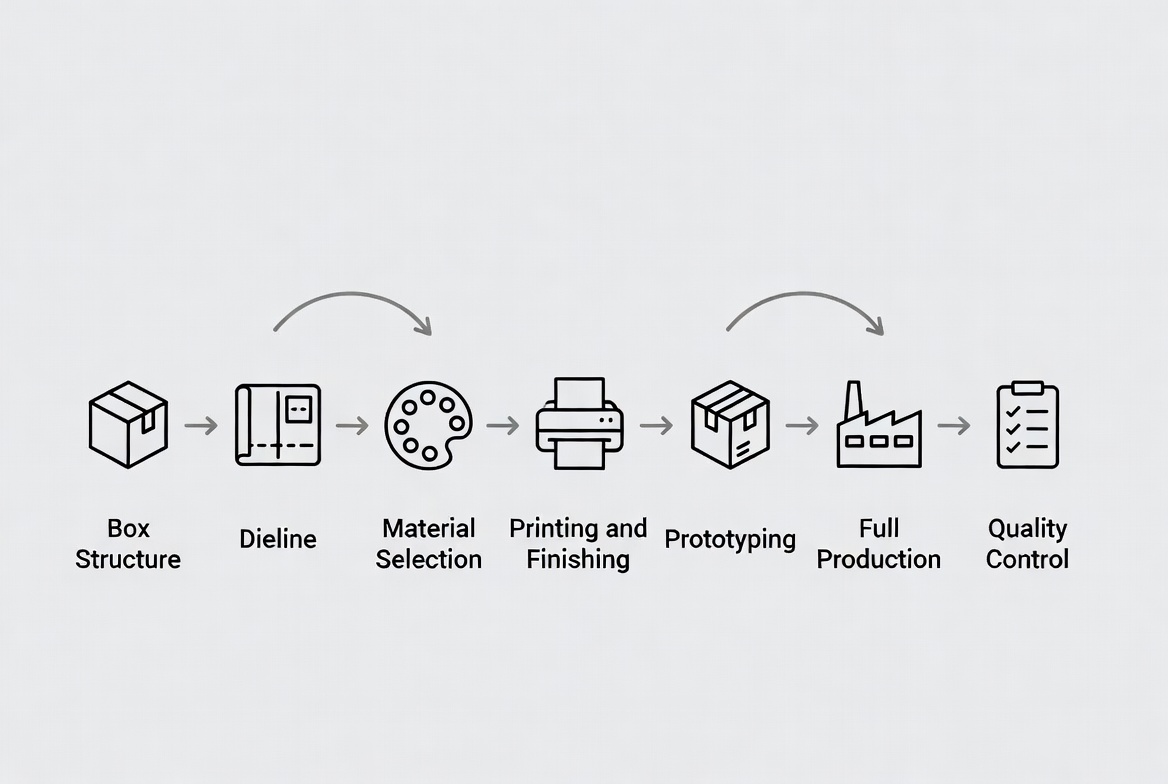
From the manufacturer side, guiding a cereal brand from concept to mass production works best with a clear, staged process. A structured workflow reduces errors, shortens time‑to‑market, and keeps both sides aligned on quality expectations. [meritideas]
Step‑by‑step development process. [packaging-gateway]
1. Define box structure and exact product dimensions (length × width × height) based on fill weight and target shelf presence. [meritideas]
2. Obtain or create a precise dieline; share it with designers so artwork fits within glue flaps, creases, and key display zones. [packaging-gateway]
3. Select paper and packaging materials, balancing protection, sustainability, and print results (including any metallic inks or foils). [magetop]
4. Decide on printing method (offset, digital) and finishing options (lamination, hot stamping, embossing/debossing). [meritideas]
5. Request white samples and, if needed, full‑color prototypes to validate structure, legibility, and on‑shelf impact before signing off. [packaging-gateway]
6. Move into full production following the approved spec, including die‑cutting, gluing, and folding. [meritideas]
7. Conduct final quality control checks—print consistency, structural integrity, and barcode scanning—before packing and shipment. [packaging-gateway]
Manufacturers with deep experience in folding gift boxes and rigid cartons are typically well‑equipped to manage this process for cereal and other food‑grade cartons. [crownwinbox]
Ready to transform your cereal box sides into powerful branding and sales tools? Contact our packaging specialists today for a custom cereal box or folding gift box proposal tailored to your product, market, and budget. [ranktracker]
Q1: What is custom cereal packaging?
Custom cereal packaging is a tailored solution that protects cereal from light, air, and contaminants while maintaining the right moisture balance, using materials such as cardboard, plastic liners, and specialty papers. It combines structural design, material specification, and print to preserve quality until the product reaches the final consumer. [custompackagingpro]
Q2: What makes an excellent cereal box?
An excellent cereal box uses durable, low‑absorbing paperboard or Kraft paper to keep cereal crisp, paired with user‑friendly structure and clear, attractive graphics. It also delivers accurate product information and complies with local food packaging regulations. [imhpackaging]
Q3: What is the typical height of a cereal box?
Many standard cereal boxes are around 12 inches tall, although height can vary by brand, target market, and promotional requirements. Some producers temporarily increase height for campaigns that include gifts or extra volume claims. [magetop]
Q4: How do I determine the dimensions of a cereal box?
Cereal box dimensions are usually specified as length × width × height, based on fill weight, bulk density of the cereal, and shelf presentation goals. Your packaging supplier will use the same format to engineer the structural design and dieline. [magetop]
Q5: Are cereal boxes really necessary for product packaging?
Yes, cereal boxes are essential if you want to protect the product, reinforce brand identity, and avoid profit loss from damage or staleness. Well‑constructed cartons keep cereal fresh and help promote the brand on‑shelf and at home, encouraging customers to repurchase. [globalcustompackaging]
1. Tycoon Packaging. "All You Need To Know About Cereal Box Sides and Perks." [Link]. [magetop]
2. Custom Packaging Pro. "Tips to Maximize Packaging of Cereal Boxes." [Link]. [custompackagingpro]
3. IMH Packaging. "9 Essential Elements for Successful Cereal Boxes Packaging." [Link]. [imhpackaging]
4. Global Custom Packaging. "8 Mind Blowing Ideas to Create Custom Cereal Boxes." [Link]. [globalcustompackaging]
5. Merit Ideas. "A Beginner's Guide to Custom Gift Box Production." [Link]. [meritideas]
6. Packaging Gateway. "A Guide to Custom Packaging Boxes for Businesses." [Link]. [packaging-gateway]
7. QuickCreator. "SEO for Packaging Manufacturers: 2025 Best Practices." [Link]. [quickcreator]
8. Ranktracker. "Food Packaging Manufacturing SEO: Build Visibility and Leads." [Link]. [ranktracker]
9. Magetop. "How SEO Can Transform the Packaging Industry: A Guide for Manufacturers." [Link]. [magetop]
10. Crown Win. "Folding Box Export – Customized Paper Packaging Solutions." [Link]. [crownwinbox]


