
Views: 255 Author: Maituohong Packaging Publish Time: 2026-10-06 Origin: Site


Content Menu
● What Are Magnetic Gift Boxes and Luxury Rigid Boxes?
>> Magnetic Gift Boxes: Defined by Their Closure
>> Luxury Rigid Boxes: A Broader Structural Category
● Magnetic Gift Boxes vs. Other Luxury Rigid Boxes: Comparison Table
● Construction and Durability: What Actually Determines Performance?
>> Board Specification Matters More Than the Closure Name
>> Each Structure Has Different Inspection Priorities
● Unboxing Experience: Magnetic Closure or Traditional Rigid Format?
>> Magnetic Gift Boxes Create a Guided Opening Sequence
>> Alternative Rigid Boxes Offer Different Presentation Options
● Customization: How Much Can Each Box Style Offer?
● Cost Comparison: Evaluate More Than the Unit Price
>> Compare Equivalent Specifications
>> Use a Landed-Cost Framework
● Shipping and Storage: When Collapsible Magnetic Boxes Make Sense
>> Compare the Complete Workflow
● Product Protection: A Premium Gift Box Is Not Automatically a Shipping Box
>> Validate the Final Packaged Product
● Sustainability: Compare the Entire Material System
>> Ask for Specific Material Information
>> Keep Decorative Treatments Proportionate
● A Practical Sample-Approval Process for Packaging Buyers
>> Step 1: Confirm Product Fit
>> Step 2: Review Opening and Closing
>> Step 3: Inspect Workmanship
>> Step 5: Document the Approved Specification
● Which Packaging Structure Should You Choose?
● Discuss Your Custom Packaging Project
>> Are magnetic gift boxes considered luxury rigid boxes?
>> Are all magnetic gift boxes collapsible?
>> Are magnetic gift boxes more expensive than lift-off lid boxes?
>> Which structure provides better product protection?
>> Can luxury rigid boxes be recycled?
>> What information is needed for a custom packaging quotation?
Magnetic gift boxes and luxury rigid boxes both offer premium presentation, but they are not opposite packaging categories. Magnetic gift boxes describe a closure style, while luxury rigid boxes describe a broader category of sturdy, premium packaging. A magnetic gift box can therefore also be a luxury rigid box. Understanding this overlap helps you compare structures, costs, and performance without making misleading assumptions.
At Maituohong Packaging, we bring more than 18 years of experience in designing and manufacturing high-quality rigid gift boxes and customized paper packaging. Our approach starts with the product, the customer experience, and the distribution requirements—not simply the name of the box.
This guide compares magnetic closure boxes with other luxury rigid box styles and explains how to select a structure that supports your brand and purchasing priorities.

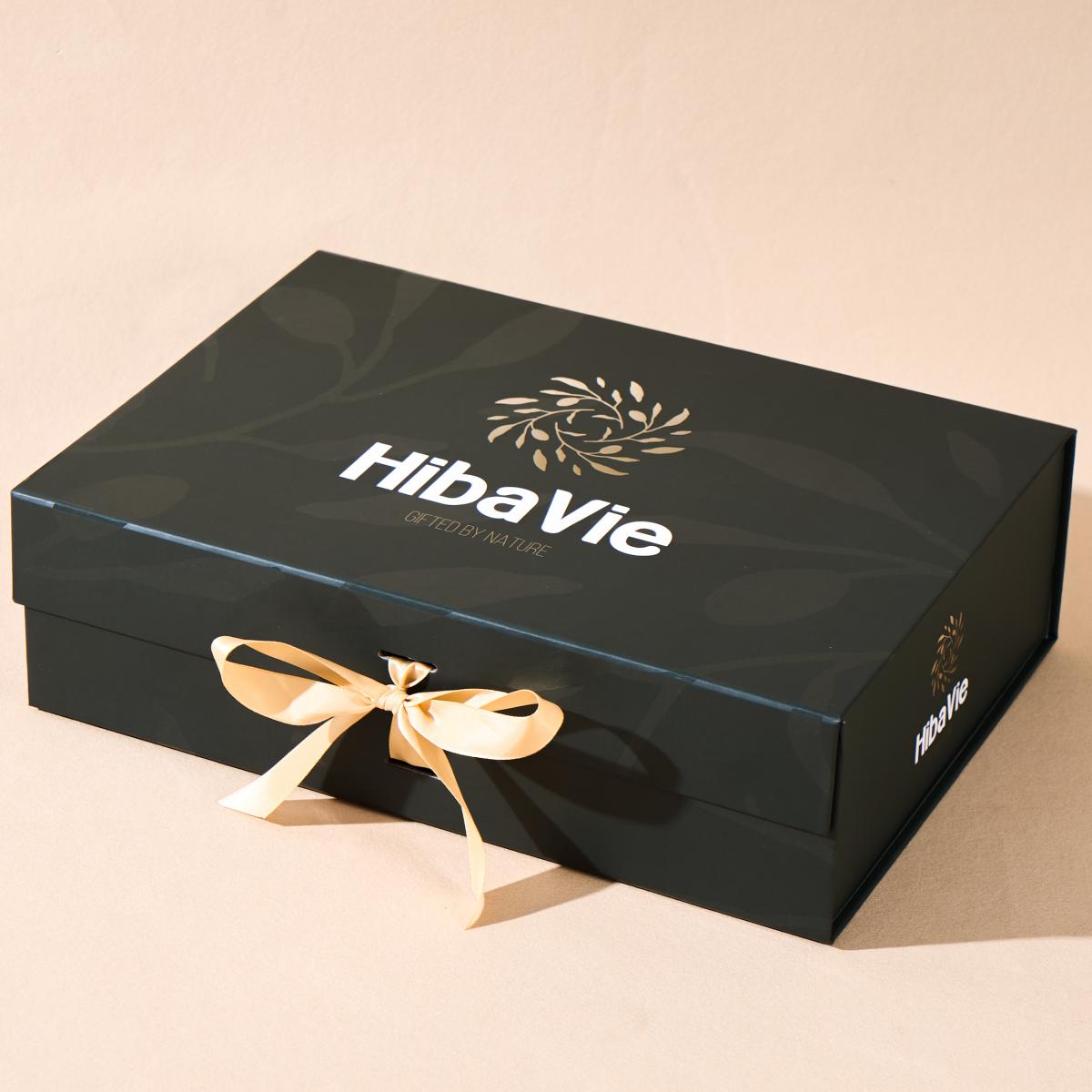
Magnetic gift boxes use concealed magnets to hold a hinged lid or closing flap in place. Their wrapped exterior hides the closure components, creating a clean appearance without an exposed clasp.
These boxes are available in assembled and collapsible formats. Collapsible magnetic boxes ship flat and require assembly before packing, while non-collapsible versions arrive in their formed shape. Magnetic closure and collapsibility are separate design characteristics.
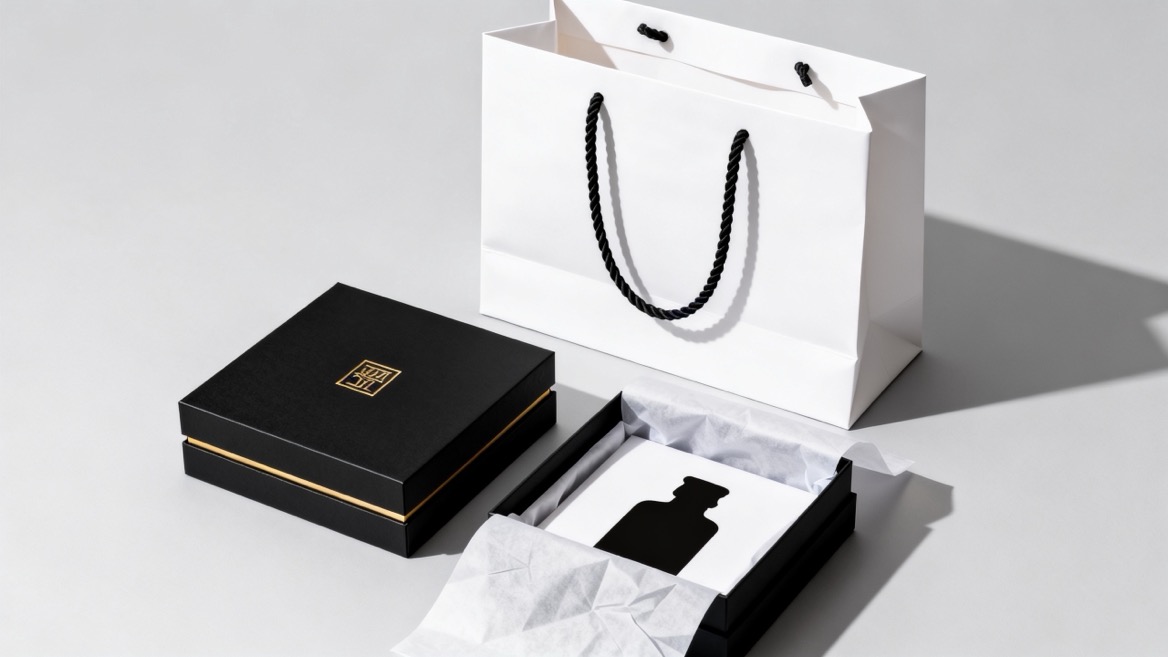
Luxury rigid boxes generally use a substantial paperboard core covered with printed paper or another decorative wrapping material. The core provides structure; the wrapping creates the visible appearance.
The category includes magnetic closure boxes, lift-off lid boxes, drawer boxes, and other premium configurations. "Luxury" describes the intended presentation, not a standardized performance rating. Buyers should therefore evaluate specifications and samples rather than rely on the label alone.
The central distinction is overlap: magnetic gift boxes are one option within the wider luxury rigid packaging category.
Because these categories overlap, the useful comparison is between magnetic closure rigid boxes and alternative rigid structures.
| Comparison point | Magnetic gift boxes | Other luxury rigid boxes |
|---|---|---|
| Defining feature | Concealed magnetic closure | Rigid construction with alternative opening formats |
| Common structures | Hinged-lid, book-style, collapsible | Lift-off lid, drawer, shoulder-and-neck |
| Opening experience | Lid remains attached; flap closes magnetically | Depends on lid fit, sliding action, or structural design |
| Flat-shipping potential | Available in suitable collapsible designs | Depends on construction; not guaranteed |
| Design priorities | Hinge alignment, flap fit, magnet positioning | Lid clearance, drawer movement, component fit |
| Cost considerations | Magnets, installation, structure, finishing | Component count, structure, finishing, assembly |
| Main purchasing question | Is an attached magnetic lid useful? | Which opening format best serves the product? |
The table compares design considerations, not universal quality rankings. A well-engineered lift-off lid box may outperform a poorly specified magnetic box, and vice versa.
A magnetic closure does not automatically make a box stronger. Structural performance depends on the complete design.
When reviewing samples, consider:
- Product weight and dimensions.
- Unsupported spans across the lid and walls.
- Board specification and consistency.
- Corner construction and adhesive bonding.
- Insert support and product restraint.
- Conditions during storage and transportation.
Our manufacturing perspective is straightforward: specify the box around the product. A large, shallow presentation box and a compact jewelry box should not receive identical material specifications simply because both use magnets.
For magnetic gift boxes, inspect whether the lid aligns naturally, the flap sits flush, and the closure works consistently with the product inside.
For lift-off lid boxes, examine lid clearance and removal effort. For drawer boxes, check movement, stopping position, and pull-tab attachment.
These are recommended purchasing checks, not standardized pass criteria. Agree on measurable acceptance requirements with the manufacturer before production.
An attached lid gives customers a clear opening direction. It also remains connected to the base, which can suit presentation kits, coordinated product sets, and packaging intended for repeated access.
However, the closure should not require excessive force or close so weakly that the flap lifts during normal handling. Test the experience with the intended contents, rather than judging an empty sample alone.
A lift-off lid creates a separate reveal. A drawer structure presents the contents through sliding movement. A shoulder-and-neck construction can create a layered appearance between the lid and base.
None is inherently more luxurious. The right choice depends on how the customer encounters the product.
For example:
- A coordinated gift set may benefit from an attached presentation lid.
- A compact accessory may suit a fitted lift-off lid.
- A product displayed in a tray may suit a drawer format.
These are illustrative design scenarios, not documented customer case studies.
Magnetic gift boxes and other luxury rigid boxes can both support customized wrapping, printing, inserts, and decorative finishes. Magnetic packaging suppliers also offer collapsible and non-collapsible structures with customization options.
The stronger question is not "Which box offers more customization?" but "Which customization improves this product's presentation?"
Potential specifications include:
- Printed wrapping paper.
- Textured or specialty paper.
- Foil details.
- Embossed or debossed branding.
- Selected protective finishes.
Avoid adding treatments simply because they are available. A restrained design with accurate registration and clean edges can communicate quality more effectively than several competing finishes.
The insert should support the intended presentation and packing process.
Ask whether it:
1. Holds every component in the correct position.
2. Allows easy product removal.
3. Protects sensitive surfaces.
4. Fits consistently across production units.
5. Can be separated from the box where appropriate.
Request a complete sample with the actual product or a dimensionally accurate substitute.
There is no reliable rule that magnetic gift boxes always cost more than other luxury rigid boxes.
Magnetic components and their installation affect cost. However, a complex multi-part rigid box may require additional materials and assembly. Dimensions, order quantity, wrapping material, inserts, finishing, and packing requirements also influence the quotation.
A meaningful comparison requires the same:
- Internal usable dimensions.
- Product protection requirements.
- Order quantity.
- Printing and finishing scope.
- Insert specification.
- Delivery destination.
- Inspection expectations.
Otherwise, a lower quotation may simply describe a different product.
For purchasing decisions, consider:
Landed cost per usable box=Packaging purchase, freight, receiving, assembly, and loss costs/Usable boxes received
This is a planning framework, not an industry price benchmark. It helps identify expenses that a factory unit price does not capture.
Collapsible magnetic gift boxes can ship flat, reducing the space occupied by empty packaging. Their actual freight benefit depends on packed carton dimensions, shipment arrangements, and the alternative structure being compared.
Flat shipping transfers some preparation work to the packing operation. Ask:
- How many assembly steps are required?
- Do operators need to remove adhesive liners?
- How long does assembly take?
- Can corners be formed consistently?
- Where will assembled boxes wait before filling?
Do not assume that reduced shipping volume automatically produces lower total cost.
Request carton dimensions and quantities for both options. Then conduct a timed assembly trial.
If the flat-packed design saves freight but slows a high-volume fulfillment line, the commercial advantage may narrow. If storage space is limited and packing labor is manageable, it may be attractive.
The best choice comes from your actual logistics data—not a generic percentage-saving claim.
Rigid packaging can support product presentation and containment, but a magnetic closure should not be treated as a substitute for a complete transport-packaging system.
For parcel shipments, assess the gift box together with its insert, cushioning, outer carton, and actual contents. ISTA's 3-Series procedures simulate transport hazards; Procedure 3A addresses individual packaged products shipped through parcel delivery systems within its specified scope.
A practical evaluation sequence is:
1. Assemble the intended retail packaging.
2. Load the actual product.
3. Add the proposed shipping protection.
4. Select an appropriate test protocol with a qualified laboratory.
5. Inspect product condition, movement, and packaging damage afterward.
ISTA testing services can include vibration, impact, drop, and temperature-related evaluations. The applicable test should reflect the distribution environment, rather than being chosen solely because it is familiar.
Neither magnetic gift boxes nor alternative luxury rigid boxes are automatically recyclable or environmentally preferable.
The assessment should include the board, wrapping paper, adhesives, coatings, decorative materials, magnets, and inserts. Local collection and processing capabilities also matter.
The 4evergreen Circularity by Design Guideline evaluates paper-based packaging across different recycling pathways and highlights how design choices can interfere with collection, sorting, and recycling.
Request:
- A material breakdown for the complete package.
- Details of films, coatings, and decorative layers.
- Information about removable inserts and non-paper components.
- Evidence supporting any recyclability claim.
- Disposal instructions appropriate to the destination market.
Avoid treating "paper-based," "reusable," and "recyclable" as interchangeable terms.
Decorative choices can affect recycling compatibility. For example, 4evergreen guidance cautions that full-surface metallization can interfere with recognition of fiber-based packaging during sorting.
A useful design approach is to concentrate decorative effects where they strengthen the branding, rather than covering every surface unnecessarily.
A physical sample should answer commercial and manufacturing questions—not merely confirm that the artwork looks attractive.
Check internal usable dimensions, insert cavities, removal clearance, and lid clearance with the product loaded.
Operate the lid or drawer repeatedly. Define the expected use pattern and agree on relevant acceptance criteria.
Examine corners, wrapping edges, glue marks, print alignment, surface damage, and component consistency.
Have the intended operators assemble and fill the sample. Record practical issues before approving production.
Record the structure, materials, dimensions, artwork version, insert design, finish, and packing arrangement.
Keep an approved reference sample. This gives the buyer and manufacturer a shared basis for evaluating the production order.
Choose magnetic gift boxes when an attached lid, repeatable closure, and guided presentation support the intended customer experience.
Consider another luxury rigid box structure when a separate lid, sliding reveal, or layered construction better matches the product and packing process.
If flat shipping is important, compare a specifically engineered collapsible design—not magnetic packaging as a whole.
At Maituohong Packaging, our recommendation is to evaluate the complete packaging system: presentation, fit, workmanship, packing efficiency, transport protection, and landed cost.
Send Maituohong Packaging your product dimensions, weight, order quantity, preferred opening style, artwork requirements, and delivery destination.
With more than 18 years of paper-packaging design and manufacturing experience, we can discuss suitable magnetic and alternative rigid structures and help define a sample for evaluation before production.
Usually, yes. Magnetic gift boxes made with rigid board belong to the broader rigid packaging category. "Magnetic" identifies the closure rather than a separate material class.
No. Magnetic boxes are available in both collapsible and non-collapsible versions. Specify the required construction when requesting a quotation.
Not necessarily. Compare equivalent dimensions, materials, finishes, quantities, and inserts. Magnetic hardware affects cost, but other structures can also require complex manufacturing.
The category name alone cannot answer that question. Evaluate the complete box, insert, product restraint, and shipping arrangement, then validate the chosen system against relevant distribution hazards.
Some designs may be compatible with available recycling systems, while others require different processing or further assessment. Materials, decorative treatments, and collection infrastructure affect the answer.
Provide product dimensions and weight, quantity, box style, printing, finishes, insert requirements, and delivery destination. State whether flat shipping or ready-assembled delivery is preferred.
1. PakFactory. "Custom Magnetic Rigid Boxes."
Covers magnetic closure rigid boxes, customization, and collapsible versus non-collapsible construction.
[https://pakfactory.com/custom-magnetic-boxes.html]
2. PackMojo. "Premium Magnetic Closure Boxes with Lids."
Explains magnetic rigid box structures and available packaging formats.
[https://packmojo.com/custom-packaging/magnetic-closure-boxes/]
3. Cubit Packaging. "Custom Rigid Boxes — Luxury Magnetic & Setup Boxes."
Provides background on rigid box materials, construction, and premium packaging styles.
[https://www.cubitpackaging.com/rigid-boxes]
4. International Safe Transit Association. "Test Procedures."
Describes transport-testing categories and general simulation performance tests for packaged products.
[https://ista.org/test_procedures.php]
5. UL Solutions. "ISTA Packaging Test and Certification."
Explains packaging evaluations used to assess product protection during transportation.
[https://www.ul.com/services/ista-packaging-test-and-certification]
6. 4evergreen. "Circularity by Design Guideline."
Provides guidance on designing paper-based packaging for compatibility with collection, sorting, and recycling systems.
[https://4evergreenforum.eu/about/circularity-by-design-guideline/]
7. 4evergreen. "Circularity by Design Guideline for Paper-Based Packaging," Version 4, February 2026.
Provides detailed guidance on packaging components, decorative treatments, and recycling compatibility.


