
Views: 229 Author: Maituohong Packaging Publish Time: 2026-08-02 Origin: Site


Content Menu
● Why Shoe Box Dimensions Matter More Than Ever
● Standard Shoe Box Sizes by Category
● How to Calculate the Right Shoe Box Dimensions
● Material Selection: The Overlooked Half of the Equation
● Custom Shoe Box Sizing: Why Brands Are Moving Away from Standard Templates
● Practical Steps for Managing Custom Shoe Box Inventory
● Choosing a Packaging Partner: What to Verify Before Ordering
● Get Precision-Engineered Shoe Boxes for Your Brand
Choosing the right shoe box dimensions determines whether your footwear arrives intact, displays beautifully, and reinforces your brand identity. As a paperboard packaging manufacturer with over 18 years of experience producing custom rigid gift boxes and paper packaging solutions, Maituohong Packaging has seen firsthand how sizing mistakes translate directly into damaged goods, wasted shelf space, and lost customer trust.
This guide breaks down standard shoe box sizes by category, explains how material choice affects protection, and shows why custom dimensions are increasingly replacing generic templates across the footwear industry.
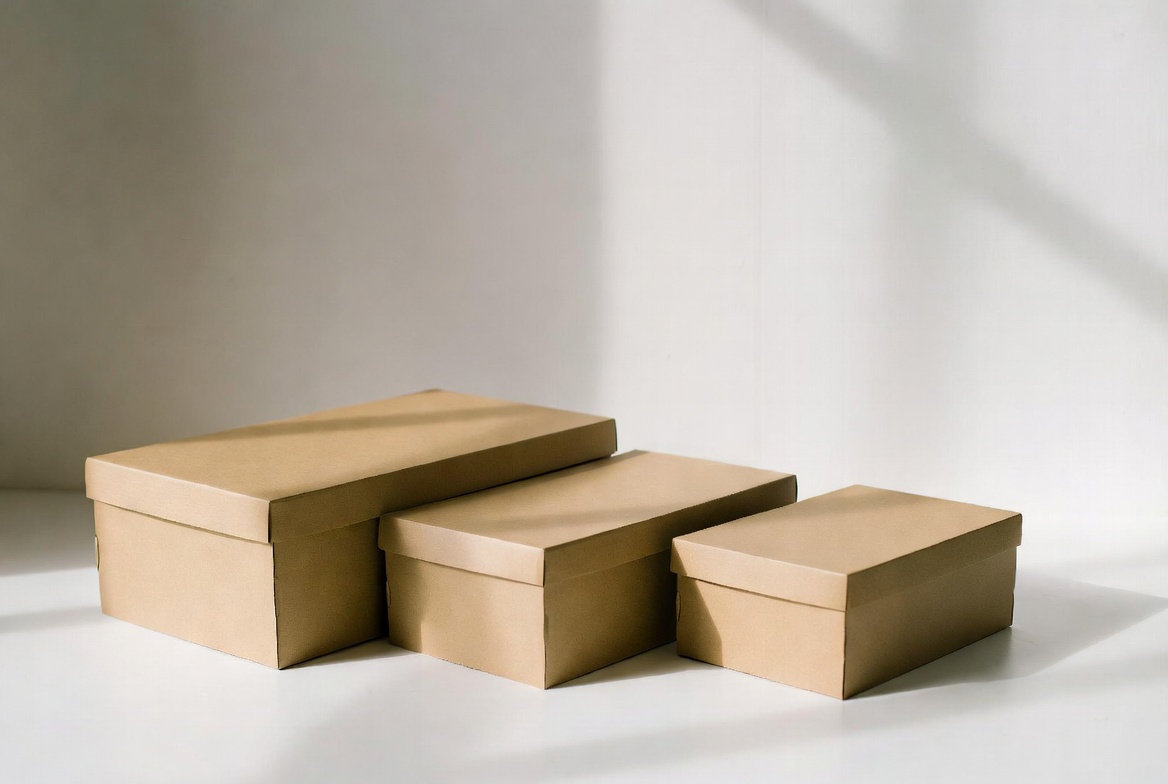
Shoe packaging is not just a container — it is the first physical touchpoint a customer has with your brand before they even open the box. A shoe box that is too large wastes shelf space and increases shipping costs; one that is too small crushes materials and damages the product.
Getting dimensions right affects three measurable business outcomes:
- Reduced damage claims — a properly sized box limits shoe movement during transit
- Lower shipping costs — dimensional weight pricing from carriers penalizes oversized boxes
- Stronger retail presentation — consistent box sizing improves shelf organization and stacking
Industry data shows measurable ranges across men's, women's, and children's footwear, though exact figures vary slightly depending on the source and shoe style.
| Category | Dimensions (cm) | Dimensions (inches) |
|---|---|---|
| Men | 33–35 x 20–25 x 13 | 13–14" x 8–10" x 5" |
| Women | 33 x 19 x 10 | 13" x 7.5" x 4" |
| Children/Youth | 22–25 x 15 x 8 | 9–10" x 6" x 3–4" |
These figures represent averages. Boots, sneakers, and formal shoes each require different internal clearances, since heel height, sole thickness, and shoe width vary significantly between styles.
Determining accurate dimensions is a straightforward process once you understand the core formula.
1. Measure the shoe itself — record length, width, and height at its widest points
2. Add clearance space — typically 1–2 cm on each dimension to prevent tight-fit deformation
3. Multiply length by width by height to confirm the box's internal volume
4. Account for insert materials — tissue paper, dust bags, or foam inserts reduce usable space
5. Confirm with your packaging supplier — production tolerances can shift final measurements by a few millimeters
Skipping the clearance step is one of the most common sizing errors brands make, often resulting in creased uppers or bent heel counters after shipping.
Dimensions alone don't protect footwear — wall thickness and board grade matter just as much. Cardboard remains the industry default because it balances cost and durability, but not all cardboard performs equally.
- Single-wall corrugated — lightweight, cost-effective, suited for low-value or short-transit shipping
- Double-wall corrugated — added crush resistance for e-commerce shipping and premium sneakers
- Rigid paperboard (chipboard) — the choice for luxury retail boxes, offering a premium unboxing feel and superior structural integrity
- Plastic hybrid boxes — higher cost, best for extreme moisture or humidity exposure during transit
For manufacturers producing gift-grade packaging, rigid paperboard consistently outperforms standard corrugated stock in shelf presentation, though it requires more precise dieline engineering to avoid warping at the corners.
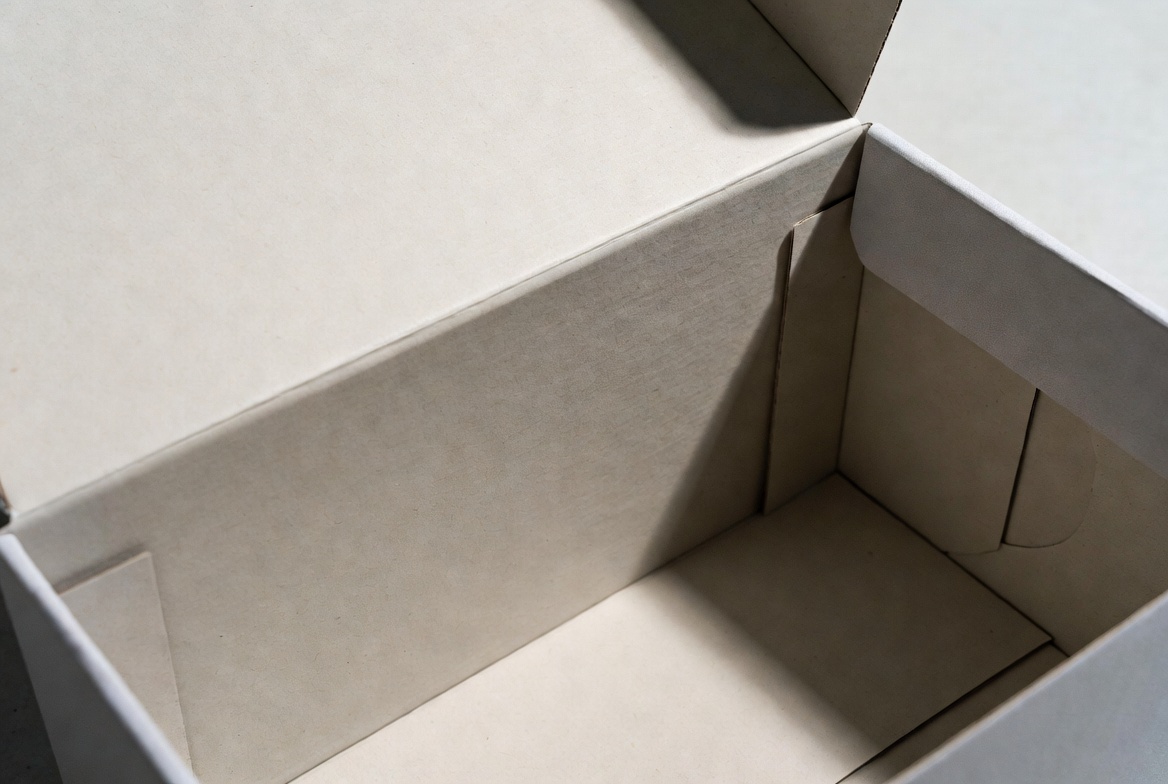
Standard sizes work for generic inventory, but growing brands increasingly request custom dimensions tailored to specific shoe lines. This shift is driven by three factors:
Brand differentiation. A uniquely proportioned box, paired with distinct finishing (embossing, foil stamping, soft-touch lamination), signals premium positioning on a shelf crowded with generic packaging.
SKU consolidation. Rather than maintaining a dozen box sizes for slightly different shoe styles, many manufacturers now design a smaller set of custom sizes that fit multiple SKUs, cutting tooling costs and warehouse footprint.
Sustainability requirements. Retailers and consumers alike now expect right-sized packaging — oversized boxes waste board material and increase carbon footprint per unit shipped, a factor increasingly scrutinized in retail sustainability audits.
Once custom sizes are finalized, operational discipline keeps packaging costs under control.
- Label every box clearly with style number, size, and color to speed up warehouse picking and reduce fulfillment errors
- Rotate seasonal stock by storing off-season inventory separately, freeing prime warehouse space for current-season products
- Standardize insert compatibility so tissue paper, dividers, and protective wrap fit across multiple box sizes
- Audit box-to-product fit quarterly, especially after any change in shoe design, sole thickness, or materials
Not every packaging supplier can execute custom rigid box production at scale. Before committing to a manufacturer, verify:
- Production capacity and lead times for your order volume
- Material sourcing transparency, including board weight and coating specifications
- Prototype and sampling process before full production runs
- Quality control certifications relevant to export markets
Manufacturers with extended track records in rigid paperboard production — Maituohong Packaging has operated in this space for more than 18 years — typically offer more reliable dieline engineering and fewer dimensional inconsistencies across large production batches.
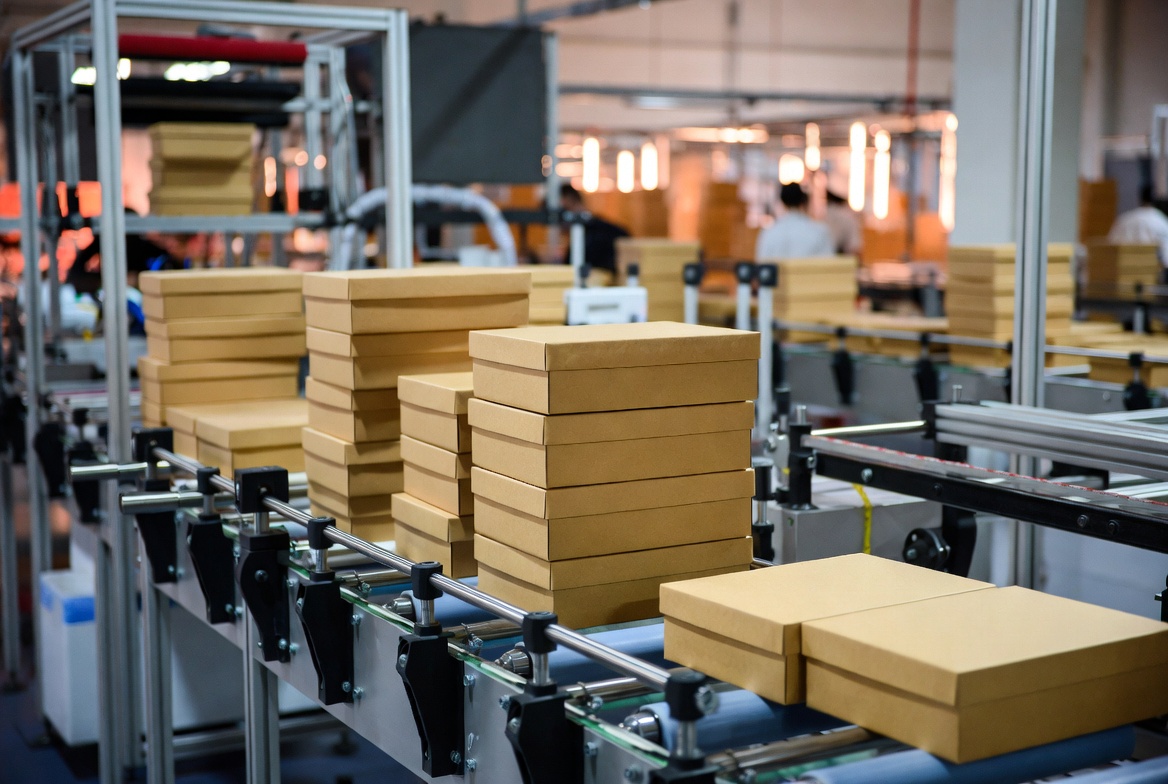
Whether you need standard sizing for cost efficiency or fully custom dimensions for a premium product line, getting the specifications right the first time saves money and protects your brand reputation. Maituohong Packaging works directly with footwear brands to engineer dieline-accurate, damage-resistant paper packaging tailored to exact product dimensions. Contact our team for a sizing consultation and sample quote before your next production run.
- What is the average size of a shoe box?
A standard adult shoe box measures roughly 13–14 inches in length, 7–10 inches in width, and 4–5 inches in height, though exact sizing varies by brand and shoe type.
- Do men's and women's shoe boxes use different dimensions?
Yes. Men's boxes are typically larger, around 14" x 10" x 5", while women's boxes run smaller at approximately 13" x 7.5" x 4" to accommodate narrower, shorter footwear.
- What material offers the best protection for shoe packaging?
Double-wall corrugated board provides strong crush resistance for shipping, while rigid paperboard delivers a premium finish best suited for retail display and gift packaging.
- Why should a brand invest in custom shoe box dimensions instead of standard sizes?
Custom dimensions reduce material waste, improve brand differentiation on shelves, and often lower per-unit shipping costs by minimizing dimensional weight penalties.
- How much extra space should be added when calculating shoe box size?
Most manufacturers add 1–2 cm of clearance beyond the shoe's actual measurements to prevent tight fits that can crease or deform materials during storage and transit.
- Standard Shoe Box Dimensions: How to Measure and Choose the Right Size — [https://www.thepackagingpro.com/blog/standard-shoe-box-dimensions]
- Standard Shoe Box Sizes Explained — [https://www.custompackagingpro.com/blog/standard-shoe-box-sizes-explained]
- Our Top Design Best Practices for Packaging Boxes — [https://packlane.com/blog/packaging-design-best-practices]
- Custom Packaging Design Tips: How to Create Boxes That Stand Out — [https://www.packlane.com/blog/custom-packaging-design-tips]
- Original Article: Lead The Way With Perfect Shoe Box Dimensions — [https://tycoonpackaging.com/lead-the-way-with-perfect-shoe-box-dimensions/]


