
Views: 277 Author: Maituohong Packaging Publish Time: 2026-08-07 Origin: Site


Content Menu
● Why Mailer Box Size Matters More Than You Think
● Understanding Mailer Box Dimensions: L x W x H Explained
● Standard Mailer Box Size Chart by Category
● How to Measure Your Product for the Right Fit
● Beyond Dimensions: Material and Structural Considerations
● The Shift Toward Sustainable Paper Packaging
● Common Mailer Box Sizing Mistakes to Avoid
● A Practical Workflow for Custom Box Development
● Choosing a Manufacturing Partner You Can Trust
Choosing the correct mailer box size is one of the most overlooked decisions in packaging strategy, yet it directly affects shipping costs, product protection, and unboxing experience. This guide breaks down standard mailer box dimensions, sizing methods, and material considerations so brands can make confident, cost-effective packaging decisions.
Getting the size wrong is expensive in ways that are not always obvious. An oversized box wastes cardboard, requires more filler material, and increases dimensional-weight shipping charges. An undersized box risks crushed products, returns, and negative reviews.
At Maituohong Packaging, we have spent more than 18 years engineering custom paper packaging for e-commerce, cosmetics, apparel, and gift brands. That experience has taught us a simple truth: the box is not just a container — it is part of the product experience.
Every mailer box is measured using the Length x Width x Height (LxWxH) convention, always in that order.
- Length — the longest side of the box, typically the side with the opening
- Width — the shorter side, perpendicular to the length
- Height — the vertical depth from the base to the top of the box
There is also a critical distinction between internal dimensions (the usable space your product actually occupies) and external dimensions (which include the thickness of the cardboard or corrugated board). Confusing the two is one of the most common sizing mistakes brands make, especially when ordering from overseas suppliers where board caliper varies.
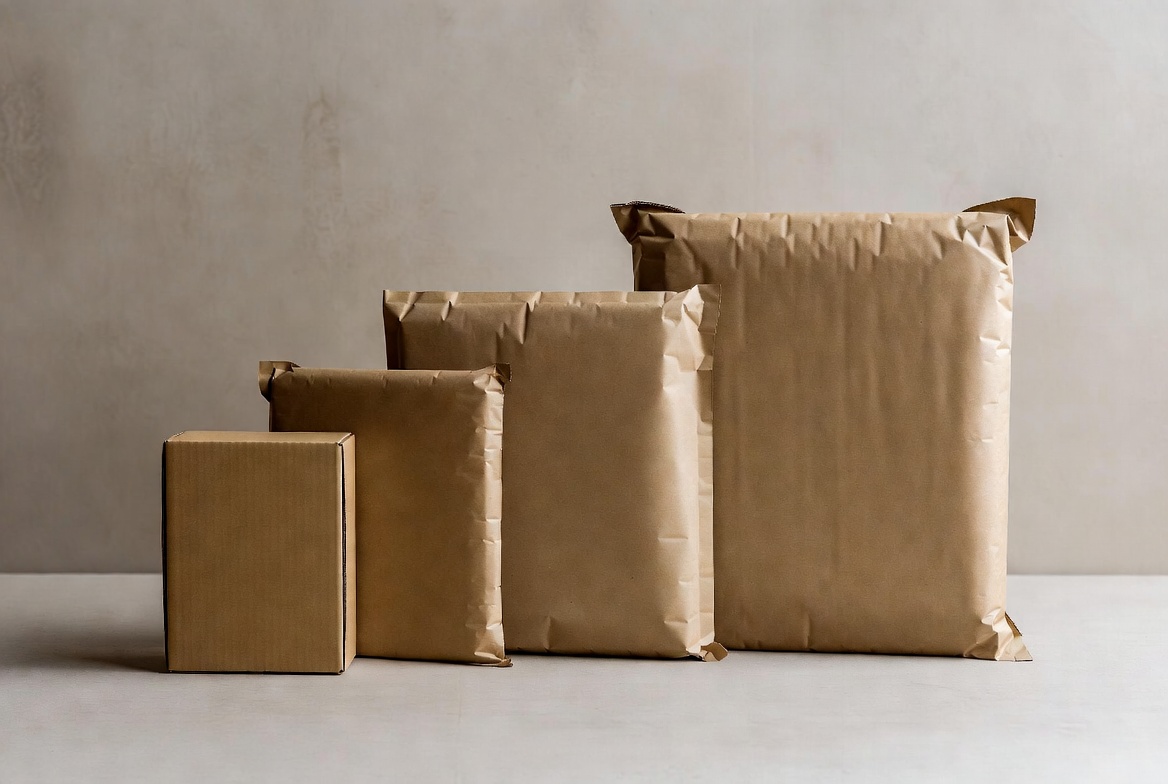
Mailer boxes generally fall into four broad categories based on volume and shipping use case.
| Category | Typical Dimension Range | Best For |
|---|---|---|
| Small | 3" x 2" x 2" to 7" x 7" x 5" | Jewelry, accessories, small cosmetics |
| Medium | 8" x 6" x 2" to 12" x 9" x 4" | Apparel, boxed retail items, gift sets |
| Large | 13" x 10" x 4" to 16" x 12" x 6" | Multi-item bundles, subscription kits |
| Extra Large | 17" x 12" x 4" and above | Wholesale orders, bulky products |
The most frequently ordered sizes across e-commerce brands are 9" x 6" x 2" and 12" x 9" x 4", since they accommodate a wide range of product categories without excessive void space.
Sizing a mailer box correctly is a repeatable process. Follow these steps:
1. Measure the product with all inner packaging included — do not measure the bare item alone.
2. Identify the longest side to determine box length; for irregular items like books, measure from spine to opposite edge.
3. Measure the width across the widest point, perpendicular to the length.
4. Measure the height from base to top.
5. Add clearance of roughly 0.5 to 1 inch per dimension for padding, tissue, or inserts.
6. Round up to the nearest standard size where possible to reduce custom tooling costs.
Fragile or boxed products may require slightly more clearance to prevent shifting during transit, while flat or foldable goods like apparel typically need very little extra space.
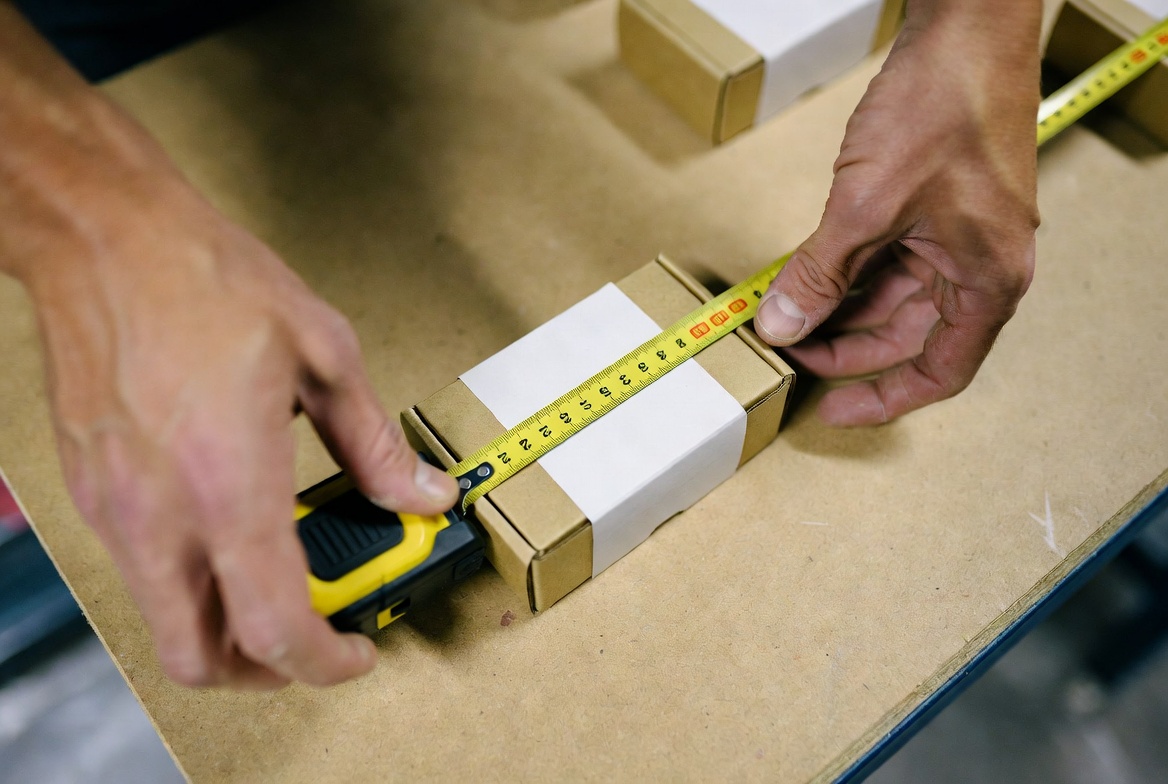
Size alone does not guarantee a box performs well. Structural strength depends heavily on the flute profile and board grade selected.
- Flute type determines cushioning, printability, and stacking strength — common options include A, B, C, E, and F flute, each suited to different product weights.
- Board Compression Strength can be estimated using the McKee Formula: BCT = 5.87 x ECT x the square root of (Caliper x Perimeter). This calculation helps predict how much stacking weight a carton can withstand before failing, which matters for warehousing and freight.
- RSC (Regular Slotted Container) design remains the industry standard, holding roughly 51% market share globally due to its compatibility with automated packing lines.
- Fiberboard cartons typically handle 20 to 275 lbs, while heavier industrial applications require steel or reinforced containers rated for thousands of pounds.
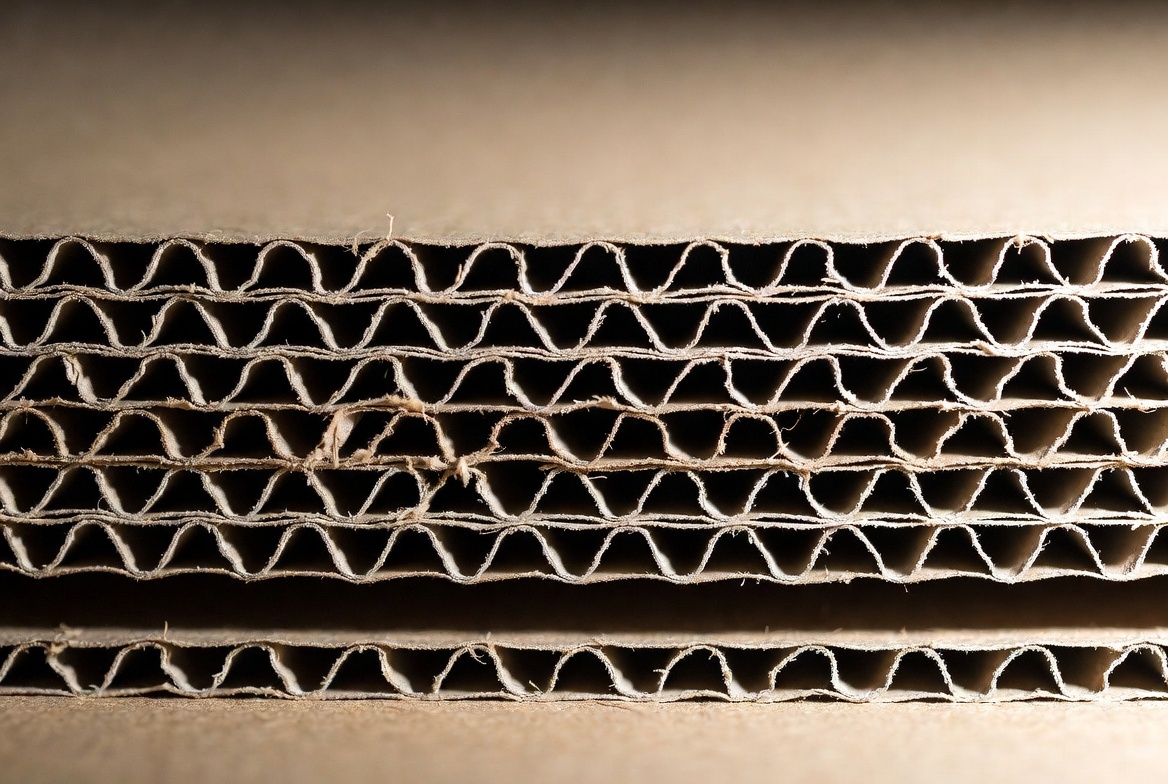
The packaging industry is moving decisively toward paper and paperboard solutions. Market research shows the paper and paperboard segment holds the largest share of the premium packaging materials market, with Asia Pacific projected to post the fastest growth rate through the mid-2030s. The broader premium packaging market was valued at USD 7.31 billion in 2025 and is projected to reach USD 11.59 billion by 2034, growing at a compound annual rate of 5.33%.
This growth reflects a wider brand shift: sustainability is no longer optional. Buyers increasingly evaluate packaging suppliers on recyclability, minimal-waste structural design, and FSC-certified sourcing — factors that Maituohong Packaging integrates into every corrugated and rigid box program we build for clients across e-commerce, cosmetics, and gift retail sectors.
Even experienced buyers make sizing errors that cost money and damage brand reputation.
- Ordering one universal size for a diverse product catalog, leading to excessive void fill costs
- Ignoring dimensional weight pricing used by most carriers, which can make an oversized-but-light package more expensive than expected
- Skipping prototyping before a full production run, risking a mismatch discovered only after bulk manufacturing
- Overlooking board thickness when calculating external dimensions, causing tight-fit issues at fulfillment centers
- Underestimating clearance needs for fragile or boxed items that shift during transit
Professional packaging design typically follows five structured phases: needs assessment, CAD-based structural design, physical prototyping, compression and drop testing, and final production. Skipping any one of these steps — particularly prototyping — is the most common reason brands end up reordering packaging within their first production cycle.
For brands sourcing custom mailer boxes internationally, working with a manufacturer that manages this entire workflow in-house, rather than outsourcing individual stages, significantly reduces lead time and quality risk.
Selecting the right box size is only half the equation — production quality and consistency matter just as much. Maituohong Packaging offers end-to-end custom packaging development, from material selection and structural engineering to full production management, backed by 18+ years of manufacturing experience serving apparel, cosmetics, jewelry, gift, and e-commerce brands worldwide.
If your business is ready to move beyond generic mailer boxes and develop a packaging solution engineered for your exact product dimensions, contact our packaging specialists today for a free consultation and quote.
- What is the most common mailer box size for e-commerce?
The 9" x 6" x 2" and 12" x 9" x 4" sizes are the most widely used because they fit a broad range of retail products without excessive void space.
- How much extra space should I add for padding?
Most products benefit from an additional 0.5 to 1 inch of clearance per dimension to accommodate tissue paper, foam, or inserts.
- What is the difference between internal and external box dimensions?
Internal dimensions represent the usable space inside the box, while external dimensions include the added thickness of the cardboard or corrugated material.
- Which flute type is best for fragile products?
Thicker flutes like B or C flute generally provide better cushioning for fragile items, while E and F flutes are preferred for lightweight retail packaging with high print quality requirements.
- Why is prototyping important before mass production?
Prototyping allows you to test fit, assembly, and durability before committing to a full production run, preventing costly reorders due to sizing errors.
- How is box compression strength calculated?
Compression strength can be estimated using the McKee Formula, which factors in edge crush test (ECT) values, board caliper, and box perimeter.
- Mailer Box Sizes by Product Type: A Practical Sizing Guide — https://www.uline.com [uprinting]
- Guide to Successful Corrugated Packaging Design and Production — [yorkcontainer]
- Premium Packaging Material Market Size & Trends 2035 — [towardspackaging]
- The Ultimate Guide to Mailer Box Sizes 2026 — [print247]
- Your Guide to Custom Box Design for Better Packaging — [expresspkg]
- Premium Packaging Market Size, Share | Industry Report — [fortunebusinessinsights]
- From Small to XL: Standard Mailer Box Sizes Guide — [limcypackaging]
- The Ultimate Guide to Corrugated Box Design — Powell Systems — [powellsystems]


