
Views: 222 Author: Maituohong Packaging Publish Time: 2026-04-28 Origin: Site


Mailer boxes and shipping boxes serve very different roles in e‑commerce fulfillment, and choosing the wrong one can quietly drain your margins, damage your brand, and frustrate your warehouse team. As a manufacturer that has spent 18+ years engineering custom paper packaging for brands, I'll walk you through the real, operational difference between the two—and how to choose the right structure for each product, channel, and growth stage. [refinepackaging]
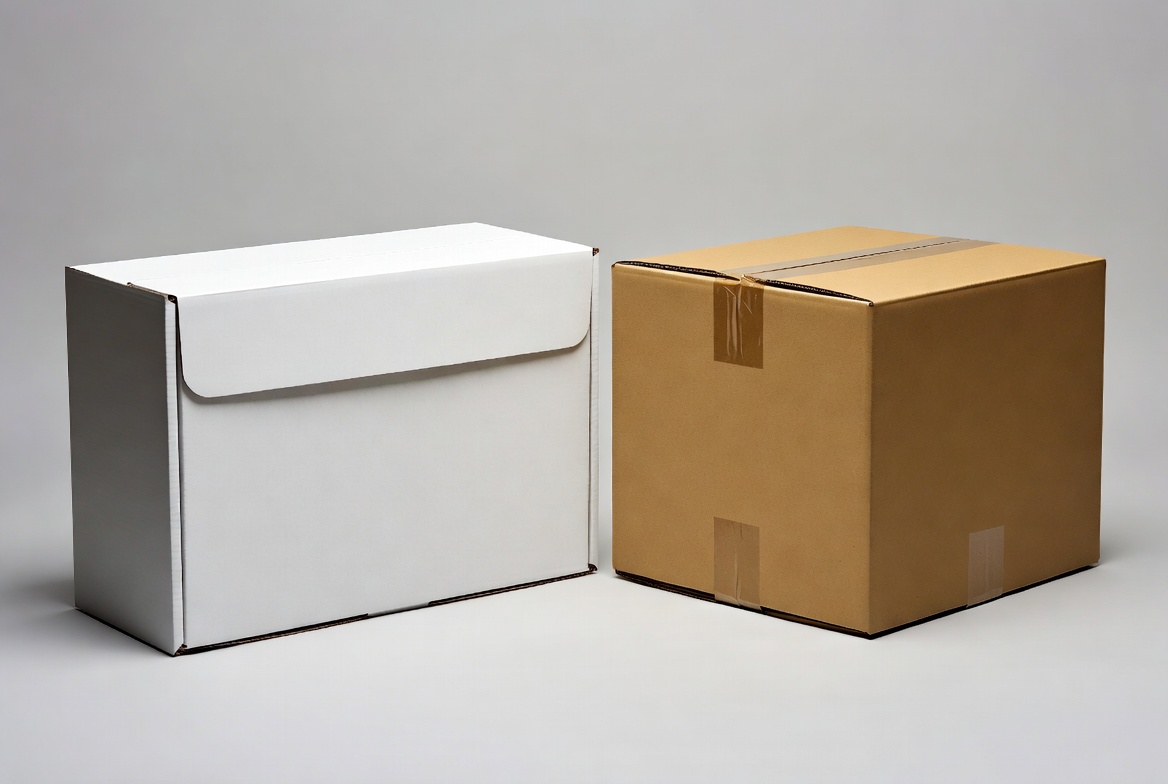
In e‑commerce, mailer boxes are self‑locking corrugated or rigid paperboard boxes designed for direct‑to‑consumer shipments and branded unboxing. Shipping boxes are regular slotted containers (RSCs) that rely on tape, maximize volume, and are optimized for bulk transport, wholesale, and multi‑SKU orders. [gentlever]
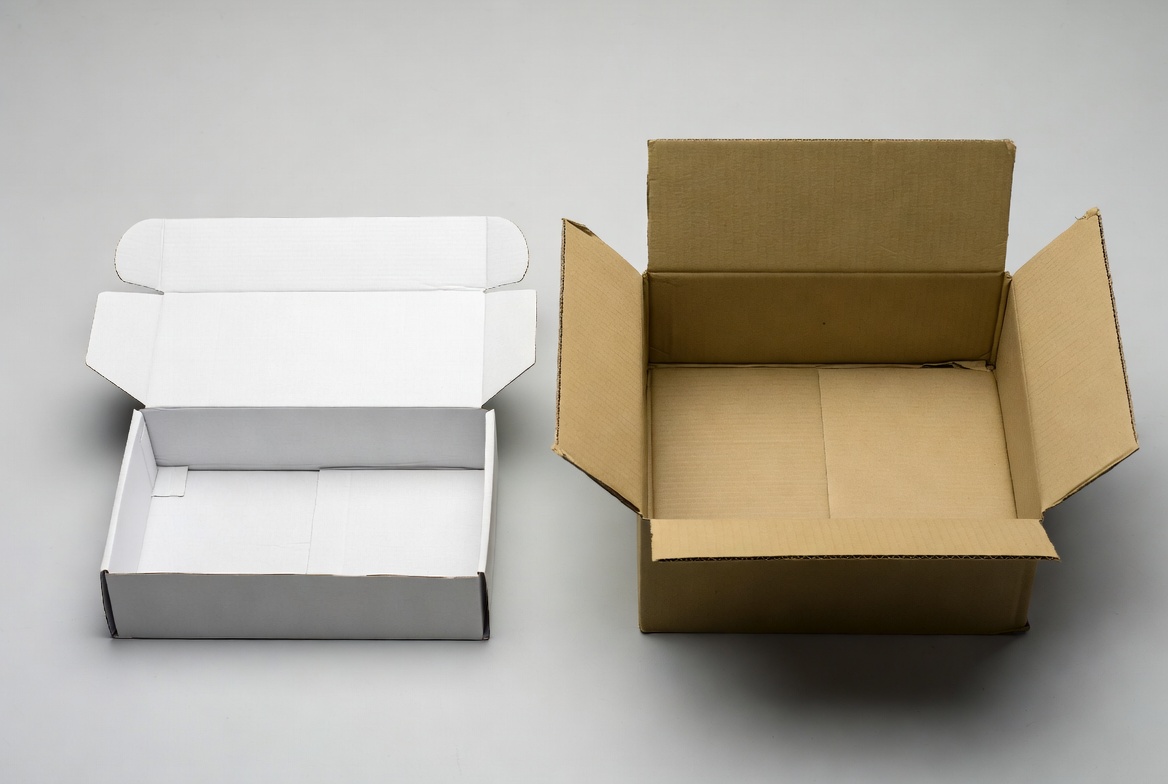
From a structural standpoint, mailer boxes typically use pre‑creased panels and friction locks, so packers can assemble them in seconds without tape. Shipping boxes, by contrast, have four flaps that meet in the center; they require taping on top and bottom but handle heavier loads and integrate smoothly with automated case erectors and tapers. [gentlepk]
For fast‑growing brands, packaging is no longer "just a box"—it is a cost center, a marketing channel, and a sustainability statement all at once. The choice between a mailer box and a shipping box directly impacts: [shopify]
- Damage rate and returns
- Fulfillment speed and labor cost
- Shipping and dimensional weight (DIM) fees
- Customer unboxing experience and UGC potential
- Warehouse space and inventory complexity
Industry data shows that mailer packaging alone is projected to reach around 64.87 billion USD by 2034, largely driven by e‑commerce and subscription businesses. At the same time, 2026 packaging trends point to right‑sizing, recyclability, and design efficiency as major levers for both sustainability and cost optimization. [ecoenclose]
| Dimension | Mailer box (e‑commerce mailer) | Shipping box (RSC) |
|---|---|---|
| Structure | Self‑locking, no tape needed, hinged lid. (gentlever) | Four‑flap RSC, requires tape on top/bottom. (gentlever) |
| Best use cases | DTC e‑commerce parcels, subscription boxes, gift sets, smaller premium SKUs. (refinepackaging) | Heavy or bulky items, wholesale cartons, repack/inner cartons for 3PLs. (ecoenclose) |
| Branding surface | Large, uninterrupted print panels ideal for storytelling and unboxing. (refinepackaging) | Good for logos and compliance info; less “theatrical” unboxing. (gentlever) |
| Fulfillment speed | Very fast hand assembly, tape‑free; ideal for manual pack lines. (gentlever) | Slower manually, but integrates with automatic case erectors. (gentlepk) |
| Protection | Excellent for light to medium‑weight items; relies on snug fit. (refinepackaging) | Better for heavy, fragile, or multi‑item loads. (ecoenclose) |
| DIM weight & freight | Often more compact; can lower dimensional weight and carrier fees. (refinepackaging) | Heavier structures; may increase DIM if under‑filled. (ecoenclose) |
| Sustainability | Often right‑sized, less filler, easier curbside recycling. (ecoenclose) | Strong reuse potential in B2B; material‑heavy if oversized. (ecoenclose) |
A mailer box is typically a die‑cut structure with scored folds and locking tabs; when designed well, it folds up in one fluid motion and "clicks" shut without any tape. Because it opens like a book or clamshell, you gain a generous interior canvas for graphics, messaging, and inserts that reinforce your story. [meyers]
A shipping box is usually a standard RSC with four main flaps meeting in the center, requiring tape for closure. That simplicity is a big advantage for 3PLs and high‑volume warehouses, because RSCs feed into automated case erectors, tapers, and palletizing systems with minimal changeover. [creativeretailpackaging]
From a brand owner's perspective, mailer boxes are built for unboxing. They: [refinepackaging]
- Present like a gift, not a plain carton
- Offer wide, continuous panels for full‑bleed graphics and storytelling [zenpack]
- Integrate naturally with tissue paper, custom inserts, and QR codes for digital engagement [meyers]
Shopify's packaging research emphasizes that thoughtful unboxing—tissue, inserts, and branded interiors—drives social sharing and repeat purchase. In 2026, leading packaging agencies also highlight "lightweight luxury": using smart structural choices and print to feel premium without heavy plastic or excessive materials. [shopify]
Shipping boxes can still be branded, especially with one‑color flexo print, stickers, or sleeves, but their form factor is more utilitarian. For wholesale or Amazon prep, that's often exactly what you need: strong, compliant, scannable—without distracting the end retailer or inflating costs. [ecoenclose]

In actual fulfillment operations, seconds matter. Mailer boxes offer clear advantages in manual e‑commerce packing:
- They pop into shape quickly due to pre‑creased lines and locking tabs. [gentlever]
- They eliminate tape application, which can easily add several seconds per order. [gentlepk]
- They often require less void fill when properly sized, simplifying your packing bill of materials. [ecoenclose]
For brands shipping thousands of parcels per week, this translates into hours of labor saved and fewer bottlenecks at peak. Many teams standardize on one or two mailer sizes to cover most SKUs, which simplifies purchasing and inventory management. [creativeretailpackaging]
Shipping boxes regain the edge when you scale into automation or heavy freight. They are:
- Compatible with case erectors, automatic tapers, and conveyor systems. [gentlepk]
- Easier to source in a wide range of standard sizes for pallet building. [theboxery]
- Familiar to 3PLs, which can reduce onboarding friction and handling errors. [theboxery]
Choosing between a mailer and a shipping box is partly about physics: weight, fragility, and carrier pricing.
Mailer boxes shine when:
- Products are light to medium‑weight (cosmetics, apparel, stationery, accessories). [refinepackaging]
- You can achieve a snug fit and avoid large empty spaces. [ecoenclose]
- Carriers price heavily on dimensional weight and compact parcels save money. [creativeretailpackaging]
Right‑sized mailers cut down on void fill, reduce the risk of items rattling around, and typically lower the volume per shipment, which is now a critical sustainability and cost lever. [packagingfulfillment]
Shipping boxes are the safer option when:
- You're shipping heavy products that could burst through lighter constructions. [theboxery]
- You need to stack multiple items or mixed SKUs in one outer carton. [ecoenclose]
- The parcel will travel through especially rough logistics networks or long international routes. [shopify]
Current sustainable packaging analysis emphasizes that durability and damage prevention are among the fastest ways to lower environmental impact; returns and reships multiply emissions and costs. That means sometimes "more box" is actually the greener and cheaper choice when it significantly reduces breakage. [ecoenclose]
In 2026, sustainable packaging is defined less by buzzwords and more by system performance. Thought leaders in the space point to: [ecoenclose]
- Circularity and recoverability as baseline expectations, not differentiators. [ecoenclose]
- Regulatory pressure favoring recyclable, high‑post‑consumer waste paperboard. [packagingfulfillment]
- Design efficiency and lightweighting as powerful climate levers. [creativeretailpackaging]
Mailer boxes fit this direction when they are right‑sized and made from responsibly sourced, recyclable board. They reduce filler, optimize pallet density, and give you space to clearly communicate disposal guidance and sustainability credentials. [packagingfulfillment]
Shipping boxes can also be highly sustainable when they are:
- Designed to be reused in B2B or reverse logistics loops. [ecoenclose]
- Standardized to maximize pallet efficiency and reduce truckloads. [creativeretailpackaging]
- Manufactured with recycled content and clear end‑of‑life labeling. [packagingfulfillment]
From both a cost‑to‑serve and brand perspective, a mailer box is usually the better choice when:
1. Your primary channel is DTC e‑commerce or subscription.
2. The average order is a small number of items, often a single SKU.
3. You care deeply about unboxing and social sharing (beauty, lifestyle, DTC fashion). [shopify]
4. Your products are not extremely heavy or fragile and can be protected with snug fit and light interior packaging. [refinepackaging]
5. You rely on manual fulfillment teams rather than fully automated case packing. [gentlever]
A shipping box becomes the more appropriate workhorse when:
1. You are shipping heavy items (e.g., equipment, bulk food, multiple glass bottles) that need robust stacking strength. [theboxery]
2. You frequently consolidate several items or mixed SKUs into one outer carton. [ecoenclose]
3. Your operations lean heavily on automation—case erectors, tapers, and palletizing lines. [gentlepk]
4. The box will serve as an outer master carton rather than a customer‑facing package. [theboxery]
Brands often ask, "How do I know, SKU by SKU, what to use?" Here is a simple, expert‑level framework you can adapt:
1. Map product profiles
- Weight: under 1 kg, 1–5 kg, over 5 kg
- Fragility: low, medium, high
- Order profile: single‑unit, bundles, multi‑SKU
2. Define channel expectations
- Pure DTC vs marketplace vs wholesale
- Need for "giftable" packaging out of the box
- Likelihood of unboxing content and social shares
3. Set sustainability objectives
- Target recycled content percentage and certifications. [packagingfulfillment]
- Prioritize right‑sizing to avoid air shipping. [ecoenclose]
- Design for curbside recyclability and clear disposal guidance. [ecoenclose]
4. Model total landed cost
- Packaging material cost (box + filler + print)
- Fulfillment labor (assembly time, tape, complexity) [gentlever]
- Carrier fees based on dimensional weight and routing. [creativeretailpackaging]
- Damage/return rate by packaging type. [ecoenclose]
5. Pilot test and iterate
- A/B test mailer vs shipping box on a subset of orders.
- Track breakage, customer feedback, and UGC volume.
- Use data to standardize your packaging menu.

Recent packaging design trend reports highlight several principles that should inform your box specs in 2026: [zenpack]
- Accessibility and clarity: Use legible typography, high contrast, and intuitive opening mechanisms so customers of all ages and abilities can use the packaging easily. [meyers]
- Lightweight luxury: Achieve a premium feel with smart board selection, structural details, and refined graphics instead of unnecessary plastic or heavy inserts. [zenpack]
- Digital bridges: Integrate QR codes, hashtags, or short URLs on the inside lid of mailer boxes to lead customers to tutorials, communities, or re‑order pages. [shopify]
- Transparent sustainability communication: Avoid vague "eco‑friendly" claims; clearly state recycled content, certifications, and disposal instructions. [packagingfulfillment]
In practice, that means a well‑designed mailer box in 2026 might pair minimalistic artwork with a visible FSC icon, a clear recycling message, and a discreet QR code that deepens the relationship beyond the physical box. [meyers]
If you are considering moving from shipping boxes to mailer boxes (or vice versa), run through this quick checklist:
1. Confirm carrier compliance
- Validate that your new format meets size and strength requirements for all target carriers. [shopify]
2. Re‑measure key SKUs
- Recalculate DIM weight with the new structure and interior packaging. [creativeretailpackaging]
3. Stress test for damage
- Perform drop tests and compression tests representative of real‑world routes. [ecoenclose]
4. Align with your 3PL
- Ensure your 3PL can store, assemble, and ship the new boxes without operational friction. [reddit]
5. Update creatives and SOPs
- Refresh product pages and unboxing content to reflect the new experience. [shopify]
- Train packing teams with simple, visual SOPs for assembly and packing order.
6. Monitor customer feedback post‑launch
- Track changes in reviews mentioning "packaging," "box," or "unboxing." [shopify]
- Watch for shifts in UGC and social mentions tied to unboxing.
For brands that want to manage these trade‑offs intelligently, working with an experienced paper packaging manufacturer is critical. A partner that has spent nearly two decades designing custom mailer boxes, shipping cartons, and rigid gift boxes can help you: [packagingfulfillment]
- Engineer board grades and structures tuned to your exact weight and channel mix. [packagingfulfillment]
- Optimize dielines for both aesthetics and efficient sheet usage, lowering cost and waste. [meyers]
- Align print, finishes, and inserts with your brand's storytelling and sustainability commitments. [zenpack]
In our work with export‑oriented e‑commerce brands, we routinely see 10–20% reductions in packaging‑related costs when teams move from ad‑hoc box choices to a deliberately engineered mailer + shipper system based on the framework above. [creativeretailpackaging]
Choosing between a mailer box and a shipping box is not a one‑time decision—it is an ongoing optimization of protection, experience, cost, and sustainability. If you are rethinking your e‑commerce packaging for the next 12–24 months, now is the time to audit your current boxes and identify fast wins.
If you would like expert support in designing custom mailer boxes, gift boxes, and shipping cartons tailored to your products, channels, and sustainability goals, get in touch with our packaging engineering team to review your current specs and receive a data‑backed proposal for improvement.
Q1: Can I use only mailer boxes for all my shipments?
In practice, pure mailer usage is uncommon once you scale, because heavy or fragile SKUs and wholesale orders still benefit from robust shipping boxes. Most brands end up with a hybrid system: mailers for DTC hero SKUs and curated kits, shipping boxes for heavy bundles and B2B cartons. [theboxery]
Q2: Are mailer boxes always more expensive than shipping boxes?
Per unit, a die‑cut mailer with custom printing often costs more than a plain RSC of similar size. However, when you factor in fulfillment speed, reduced tape and filler, and lower dimensional weight, the total landed cost can be competitive or even lower for suitable products. [gentlever]
Q3: Which option is better for sustainability?
Neither format is inherently "greener." What matters is right‑sizing, recycled content, reusability, and damage prevention. A well‑engineered mailer can outperform an oversized shipper by cutting void space and filler, while a durable shipping box may be best for preventing damage on long routes. [ecoenclose]
Q4: How do subscription brands typically choose?
Subscription brands usually favor branded mailer boxes because of their compact size, printable surfaces, and gift‑like unboxing experience. Many still keep at least one shipping box size for larger seasonal bundles or special editions that exceed mailer capacity. [shopify]
Q5: What should I prepare before asking a manufacturer for custom boxes?
Have your SKU dimensions and weights, primary sales channels, target order profiles, and sustainability goals ready. Sharing projected volumes and any automation constraints (3PL capabilities, case erectors, etc.) allows your packaging partner to recommend optimal structures, board grades, and print methods from the start. [gentlepk]
1. Refine Packaging – "Mailer Boxes vs. Shipping Boxes: Key Differences Explained" (2026). [refinepackaging]
2. Tycoon Packaging – "Mailer Boxes Vs Shipping Boxes – Complete Guide" (2026). [tycoonpackaging]
3. GentleVer – "Mailer Box vs Shipping Box: Which Is Right for Your Business?" (2025). [gentlever]
4. GentlePK – "Mailer Box vs Shipping Box: Which Is Best for Your Business?" (2025). [gentlepk]
5. The Boxery – "When to Use Mailer Boxes vs. Standard Shipping Boxes" (2025). [theboxery]
6. EcoEnclose – "How to Choose Between a Mailer and a Shipping Box" (2025). [ecoenclose]
7. EcoEnclose – "Sustainable Packaging Trends for 2026: What Eco-Conscious Brands Need to Know" (2026). [ecoenclose]
8. Meyers – "5 Packaging Design Strategies That Set Brands Apart in 2026" (2026). [meyers]
9. Packaging Fulfillment – "Custom Packaging Trends to Watch in 2026" (2026). [packagingfulfillment]
10. Creative Retail Packaging – "Top Packaging Trends for 2026" (2025). [creativeretailpackaging]
11. Zenpack – "Packaging Design Trends 2026: Accessibility, Circularity, and the …" (2025). [zenpack]
12. Shopify – "Product Packaging: Essential Tips for 2026" (2025). [shopify]
13. Shopify 中国 – "产品包装终极指南(2024)" (2024). [shopify]
14. Shopify 中国 – "跨境电商发货完整指南:从0到1,手把手解决产品配送问题" (2025). [shopify]
15. Reddit r/ecommerce – "Question about using only cardboard boxes vs mailers and …" (2025). [reddit]


