
Views: 222 Author: Maituohong Packaging Publish Time: 2026-05-26 Origin: Site


Plastic has dominated packaging for decades because it is cheap, lightweight, and versatile, but its environmental cost is now impossible to ignore. Single‑use plastic bags, wrappers, and bottles clog landfills and oceans for hundreds of years, harming wildlife and contributing to climate change. [wwf.org]
Governments and consumers are reacting:
- Many countries and cities have introduced plastic bag bans, taxes, or extended producer responsibility (EPR) schemes. [packaging-gateway]
- Consumers increasingly expect brands to offer recyclable, plastic‑free, or low‑plastic packaging, and they actively reward companies that do so with repeat purchases and higher trust. [wwf.org]
In this context, paper‑based packaging—from sturdy shopping bags to premium gift boxes—has moved to the center of sustainable brand strategy. [emballageedr]
Switching away from plastic is not just about compliance or "doing the right thing"—it is a strategic business decision. [packaging-gateway]
Key benefits of sustainable packaging:
- Reduced environmental impact – Materials such as paper, cardboard, and plant‑based fibers can break down far faster than conventional plastics when properly recovered and recycled. [yutoeco]
- Stronger brand image – Eco‑conscious customers increasingly prefer brands that demonstrate real sustainability commitments, including recyclable or compostable packaging. [dhl]
- Cost optimization over time – While certain eco‑materials may cost more upfront, companies often save on waste fees, benefit from regulatory incentives, and gain marketing value from "sustainable packaging" claims. [ecoenclose]
From our vantage point at Maituohong Packaging, we see that well‑designed paper packaging can deliver premium aesthetics, functional performance, and sustainability in one integrated solution. [emballageedr]
Paper packaging is one of the most versatile and widely adopted replacements for traditional plastic. It includes paper shopping bags, kraft mailers, folding cartons, and rigid gift boxes. [yutoeco]
Why brands choose paper:
- Recyclable and widely accepted in existing paper recycling streams in many countries. [wwf.org]
- Highly customizable with printing, embossing, foiling, and special finishes that reinforce brand identity. [emballageedr]
- Works well for fashion, cosmetics, foodservice, electronics, and e‑commerce when designed with appropriate strength and coatings. [emballageedr]
Expert tip: Use FSC‑certified or recycled paper, and clearly print recycling or disposal instructions on the bag or box to improve actual recycling rates. [dhl]
Cardboard and folding cartons provide a sturdy, stackable alternative to plastic clamshells, blister packs, and rigid plastic boxes. They are commonly used for cereals, beverages, small appliances, and electronics. [yutoeco]
- Pros: Rigid, easily printable, and compatible with many automated packaging lines. [yutoeco]
- Cons: Sensitive to moisture and needs design attention for heavy or fragile products. [yutoeco]
At Maituohong, we often combine rigid board structures with premium laminated papers to create luxury gift boxes that replace plastic gift tins or plastic display cases. [primelinepackaging]
Reusable cloth bags and fabric totes act as long‑life alternatives to single‑use plastic bags. [wwf.org]
- Ideal for fashion, premium retail, and brand loyalty programs where the bag itself becomes a branded object customers use repeatedly. [primelinepackaging]
- Fabric choices include cotton, jute, non‑woven PP, or blends, each with its own lifecycle footprint. [yutoeco]
However, fabric solutions often make the most sense when the bag is reused many times, balancing the higher initial footprint of textile production. [dhl]
Edible films (often based on seaweed, starch, or other biopolymers) and compostable packaging provide cutting‑edge ways to reduce plastic waste, especially in food and single‑serve formats. [carbonbright]
- Pros: Reduced material waste, potential for zero‑waste experiences. [carbonbright]
- Cons: Limited shelf life and strict requirements around moisture, hygiene, and regulatory approvals. [yutoeco]
These solutions are still emerging and often work best in niche use cases rather than as universal plastic replacements. [carbonbright]
Glass and metal remain robust, infinitely recyclable alternatives to plastic in beverages, sauces, cosmetics, and canned foods. [carbonbright]
- Glass is chemically inert and premium‑feeling, ideal for perfumes, spirits, or high‑end sauces. [carbonbright]
- Metal (such as aluminum) is durable and fully recyclable, especially effective for canned drinks and shelf‑stable goods. [carbonbright]
Their main drawbacks are weight, breakability (glass), and energy‑intensive production (metal), making them best suited where functional or brand advantages clearly justify the footprint. [dhl]
| Packaging type | Key advantages | Main limitations |
|---|---|---|
| Paper shopping bags | Recyclable, printable, affordable, widely understood by consumers. | Sensitive to moisture, needs proper sizing and handle strength. |
| Rigid gift boxes | Premium look, strong protection, ideal for gifting and branding. | Higher material use, requires careful storage and transport. |
| Cardboard/cartons | Sturdy, stackable, suitable for many retail categories. | Can degrade in humid conditions, may need liners. |
| Fabric / cloth bags | Reusable, highly brandable, long service life. | Higher upfront cost, environmental benefit depends on reuse. |
| Beeswax wraps | Reusable, compostable, ideal for certain food uses. | Limited lifespan, not suitable for all products. |
| Glass packaging | Non‑toxic, premium feel, infinitely recyclable. | Heavy, fragile, higher shipping costs. |
| Metal (cans, tins) | Highly durable, fully recyclable. | Energy‑intensive to produce, heavier than plastic. |
This table helps procurement teams quickly compare functionality, sustainability, and cost drivers when planning a packaging transition.
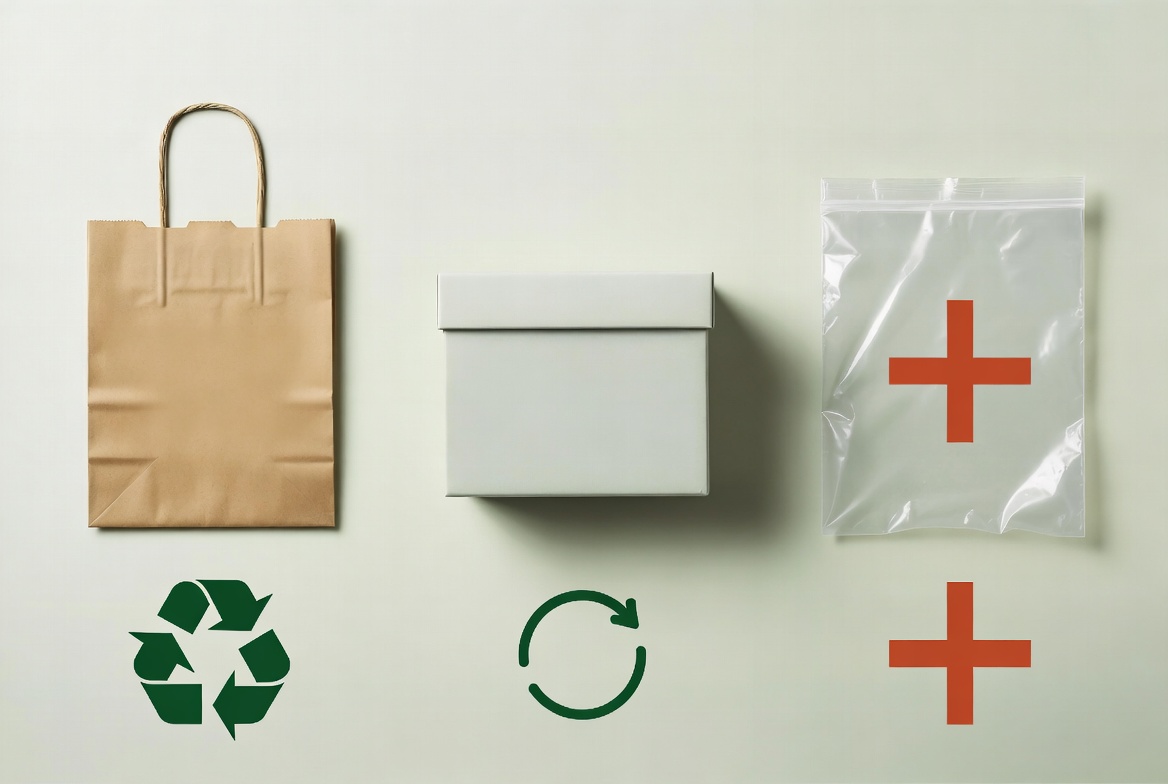
From a manufacturing standpoint, paper shopping bags often represent the fastest, most realistic way for retailers to reduce plastic use without disrupting operations. [emballageedr]
Why paper bags work so well:
- They are familiar to both retailers and shoppers, reducing behavior change friction. [wwf.org]
- They can be reinforced with twisted paper handles, flat handles, or rope handles to carry substantial weight. [primelinepackaging]
- They accept high‑quality printing, allowing brands to turn every bag into a moving billboard for their story. [emballageedr]
At Maituohong Packaging, we have seen global brands shift entire chains from plastic to branded kraft or white paper shopping bags, often paired with matching rigid gift boxes for premium lines. By optimizing materials and structure, we help clients achieve competitive cost per use while improving perceived value at the checkout. [primelinepackaging]

Effective paper bag design requires balancing sustainability, durability, brand storytelling, and user comfort. [emballageedr]
To ensure your paper shopping bags truly replace plastic, you must design them for real‑world loads. [primelinepackaging]
Key structural design decisions:
- Paper weight (GSM): Choose higher GSM for heavier products or multi‑item purchases. [emballageedr]
- Handle type: Twisted paper handles, flat handles, rope handles, or die‑cut grips each suit different weights and brand images. [primelinepackaging]
- Reinforcements: Add top turn‑overs, bottom boards, and side gussets to distribute stress and prevent tearing. [primelinepackaging]
Well‑designed bags extend your brand long after checkout. [primelinepackaging]
Consider:
- Minimalist layouts with strong logos and core brand colors to stay visually clean and premium. [emballageedr]
- Readable typography so your brand name and message are legible at a glance. [emballageedr]
- Texture and finish (uncoated kraft, matte lamination, spot UV, or foil) tuned to your positioning—eco‑rustic or luxury. [primelinepackaging]
From our own experience, combining simple color palettes, tactile paper, and subtle finishes often creates the most memorable and sustainable result. [emballageedr]
Rigid paperboard boxes are a powerful alternative to plastic display cases, plastic gift tins, and molded plastic packaging. [primelinepackaging]
- They deliver a premium unboxing experience, which is crucial for gifting, cosmetics, and high‑value accessories. [primelinepackaging]
- They can be engineered precisely around the product, reducing void fill and eliminating unnecessary plastic inserts. [yutoeco]
- They use paper‑based cores, making them more compatible with paper recycling streams than mixed‑material plastic packaging. [dhl]
When designing rigid boxes to replace plastic:
- Select strong greyboard or whiteboard with sufficient thickness for stacking and shipping. [yutoeco]
- Use modular inserts from paper or cardboard to protect delicate items without plastic trays. [yutoeco]
- Clearly label recycling instructions, encouraging customers to reuse the box or recycle it once it reaches end of life. [dhl]
Maituohong Packaging has supported numerous brands in shifting limited edition sets and seasonal offerings from plastic to custom rigid paper box collections—often increasing perceived value without adding plastic. [primelinepackaging]
While sustainable packaging is a clear direction, many businesses face practical hurdles. [ecoenclose]
Typical challenges include:
- Cost and supply constraints – Certain eco‑materials can be more expensive or less readily available. [ecoenclose]
- Performance concerns – Brands worry about durability, moisture resistance, or shelf life compared to plastic. [yutoeco]
- Technical adaptation – New formats may require adjustments in filling lines, warehousing, or logistics. [packaging-gateway]
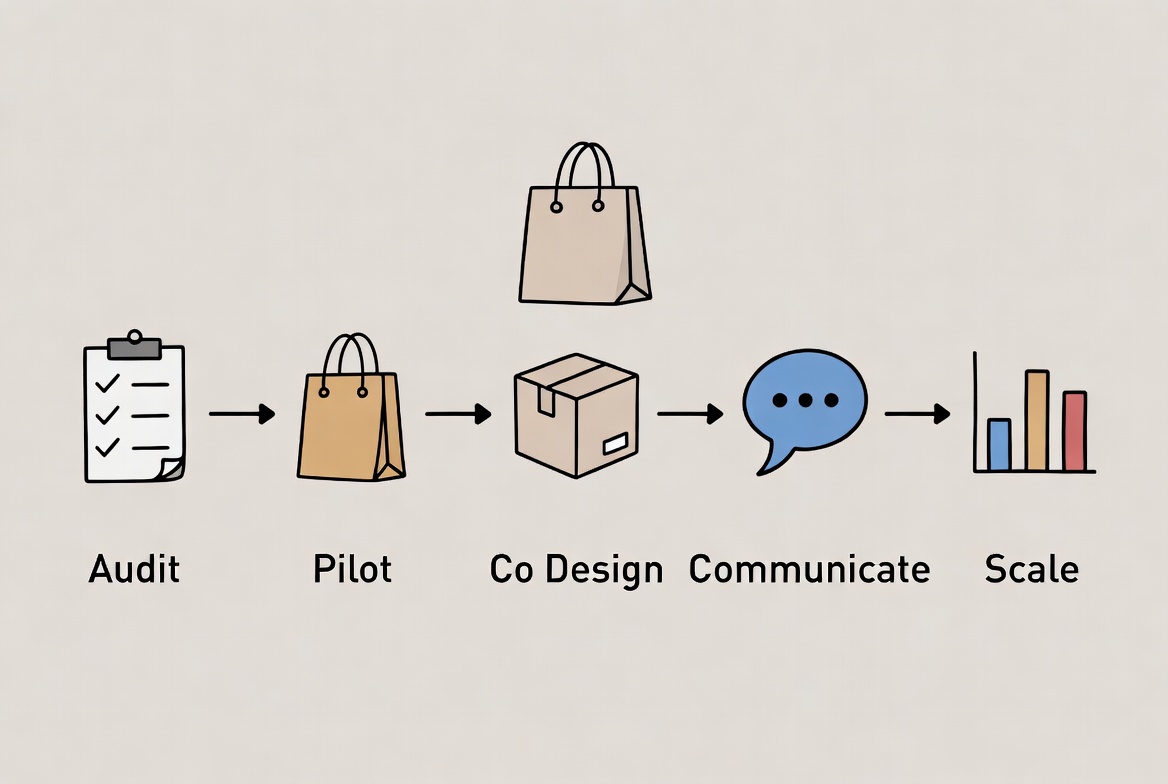
From an expert perspective, these challenges are best handled through a phased transition:
1. Audit your current packaging – Identify high‑volume plastic components and prioritize easy wins like plastic shopping bags or simple outer wraps. [ecoenclose]
2. Pilot paper‑based alternatives – Test new bag or box formats in selected stores, measuring customer feedback and operational performance. [ecoenclose]
3. Refine structure and materials – Adjust GSM, coatings, or design based on real‑world feedback. [emballageedr]
4. Scale gradually – Roll out successful designs across regions or product lines, supported by supplier partnerships. [ecoenclose]
Working with an experienced manufacturer like Maituohong shortens this learning curve, because we have already solved many of these issues across different industries and markets. [emballageedr]
To ensure your packaging strategy remains future‑proof, it is essential to track current sustainability trends. [packaging-gateway]
Key directions shaping packaging in 2026:
- Bio‑based materials at scale – More brands are experimenting with PLA, mycelium, and other bio‑based or compostable materials alongside paper. [packaging-gateway]
- Circular and reusable models – Returnable, refillable, and reusable packaging systems are expanding, especially in urban markets. [packaging-gateway]
- Smart packaging – QR codes and NFC tags help customers understand how to recycle or compost packaging, and provide brand storytelling channels. [dhl]
Paper‑based solutions remain central in these models, because they are compatible with existing recycling systems, are easy to label, and can host smart features without complex technical integration. [dhl]
To move from theory to action, here is a step‑by‑step roadmap based on both industry frameworks and our own project experience. [ecoenclose]
Define what success looks like:
- Reduce plastic tonnage by a specific percentage.
- Increase share of recyclable or compostable packaging.
- Enhance premium brand perception through better packaging experiences. [packaging-gateway]
Start with formats where paper‑based solutions are mature, such as:
- Retail shopping bags
- Outer cartons and gift boxes
- Mailer envelopes and e‑commerce shipper boxes [emballageedr]
Partner with experienced manufacturers to:
- Select materials, structures, and finishes that match your product and brand. [emballageedr]
- Optimize unit cost versus performance (GSM, handle type, box construction). [yutoeco]
- Validate prototypes with real customers or internal teams. [ecoenclose]
Use your new packaging to tell a sustainability story:
- Print clear icons and messages ("This bag is recyclable", "Made from FSC‑certified paper"). [dhl]
- Include QR codes leading to a sustainability landing page explaining your approach. [dhl]
- Train staff to speak confidently about the new packaging when customers ask questions. [packaging-gateway]
Track:
- Customer feedback on function and aesthetics.
- Return and damage rates related to packaging.
- Cost and environmental performance metrics. [ecoenclose]
Then refine designs, upgrade materials, or introduce additional plastic‑free solutions over time. [packaging-gateway]
Maituohong Packaging has:
- Over 18 years of expertise in paper shopping bags, luxury rigid gift boxes, and custom paper packaging solutions. [yutoeco]
- Advanced die‑cutting, printing, and finishing capabilities to deliver both sustainable and brand‑defining packaging. [emballageedr]
- Experience working with global retailers, brands, and e‑commerce sellers who are transitioning away from plastic. [primelinepackaging]
If you are exploring alternatives to plastic packaging, especially in the area of paper bags, cartons, and gift boxes, our team can help you translate sustainability goals into practical, attractive, and commercially viable packaging systems. [emballageedr]
If your brand is still heavily reliant on plastic packaging, now is the time to act. [packaging-gateway]
Ready to reduce plastic and elevate your brand?
- Reach out to Maituohong Packaging to discuss your current packaging mix.
- Share your sustainability targets and budget, and we will propose tailored paper shopping bag and rigid box solutions that fit your operations. [yutoeco]
- Request samples and design consultations to see how high‑quality paper packaging can replace plastic without compromising performance. [emballageedr]
Every step toward paper‑based, recyclable packaging moves your brand closer to a more sustainable, customer‑friendly future.
1. Are paper shopping bags really more sustainable than plastic bags?
In most scenarios, especially when sourced responsibly and recycled properly, paper shopping bags have a lower long‑term environmental impact than single‑use plastic bags, which can persist for centuries. However, the overall footprint depends on factors like fiber sourcing, energy mix, and recycling or reuse rates. [wwf.org]
2. Can paper packaging handle heavy or fragile products as well as plastic?
With the right board thickness, structural design, and reinforcements, paper packaging can safely handle many heavy or fragile items. For extremely demanding applications, hybrid approaches or alternative materials like metal or glass may still be appropriate. [carbonbright]
3. How can brands ensure customers properly recycle paper packaging?
Clear on‑pack instructions, standard recycling symbols, and QR codes that explain disposal options significantly increase correct recycling behavior. Retail staff training and consistent messaging across digital channels also play a role. [dhl]
4. Are biodegradable or compostable plastics a better option than paper?
Biodegradable and compostable plastics can be valuable tools, but they require specific collection and processing conditions that are not always widely available. Paper remains advantageous because it fits more easily into existing recycling systems in many regions. [wwf.org]
5. How long does it take to transition from plastic to paper packaging?
Depending on the complexity of your product range and supply chain, initial transitions—such as replacing plastic shopping bags with paper—can happen in a matter of months. More comprehensive packaging system changes may take 12–24 months, especially when they involve new structural designs or multiple regions. [ecoenclose]


